Europe · 01 August, 2026 · 3 min read
Grande-Marlaska Says 70,000 Migrants Returned From Ceuta After August 15 Crossing Rumors
Tens of thousands crossed into Ceuta from Morocco in a massive surge. Approximately 70,000 entrants have returned to Morocco.
707 outlets, one story, no spin found.
4 of 5 outlets skipped it: ceuta is building a floating barrier off Tarajal to stop crossings.
707outlets compared
20Minutos and ABC cite different death totals, but within-range attribution differences
Ceuta crisis and returns
Spain’s Interior Minister Fernando Grande-Marlaska said this Tuesday that 70,000 of the 72,000 migrants who entered Ceuta have been returned, as the Ceuta government spokesperson Alejandro Ramírez said his team is "concerned" about rumors on social networks ahead of August 15.
“70,000 of the 72,000 migrants who entered Ceuta have been returned”
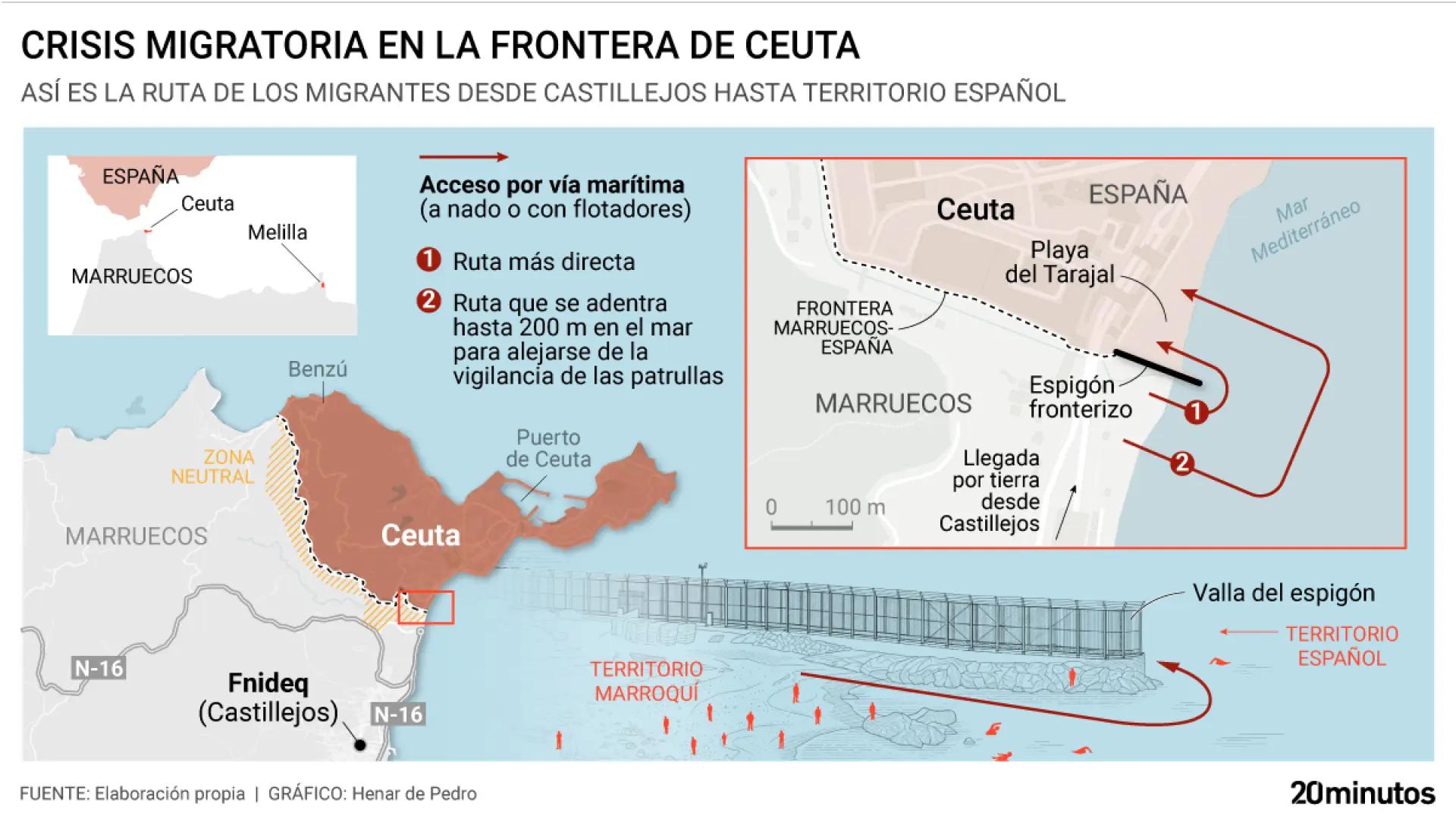
The 20Minutos live coverage said social media posts on TikTok or WhatsApp invited people to join messaging groups aimed at coordinating a collective attempt to cross into the autonomous city on August 15, with Castillejos (Fnideq) set as the meeting point.
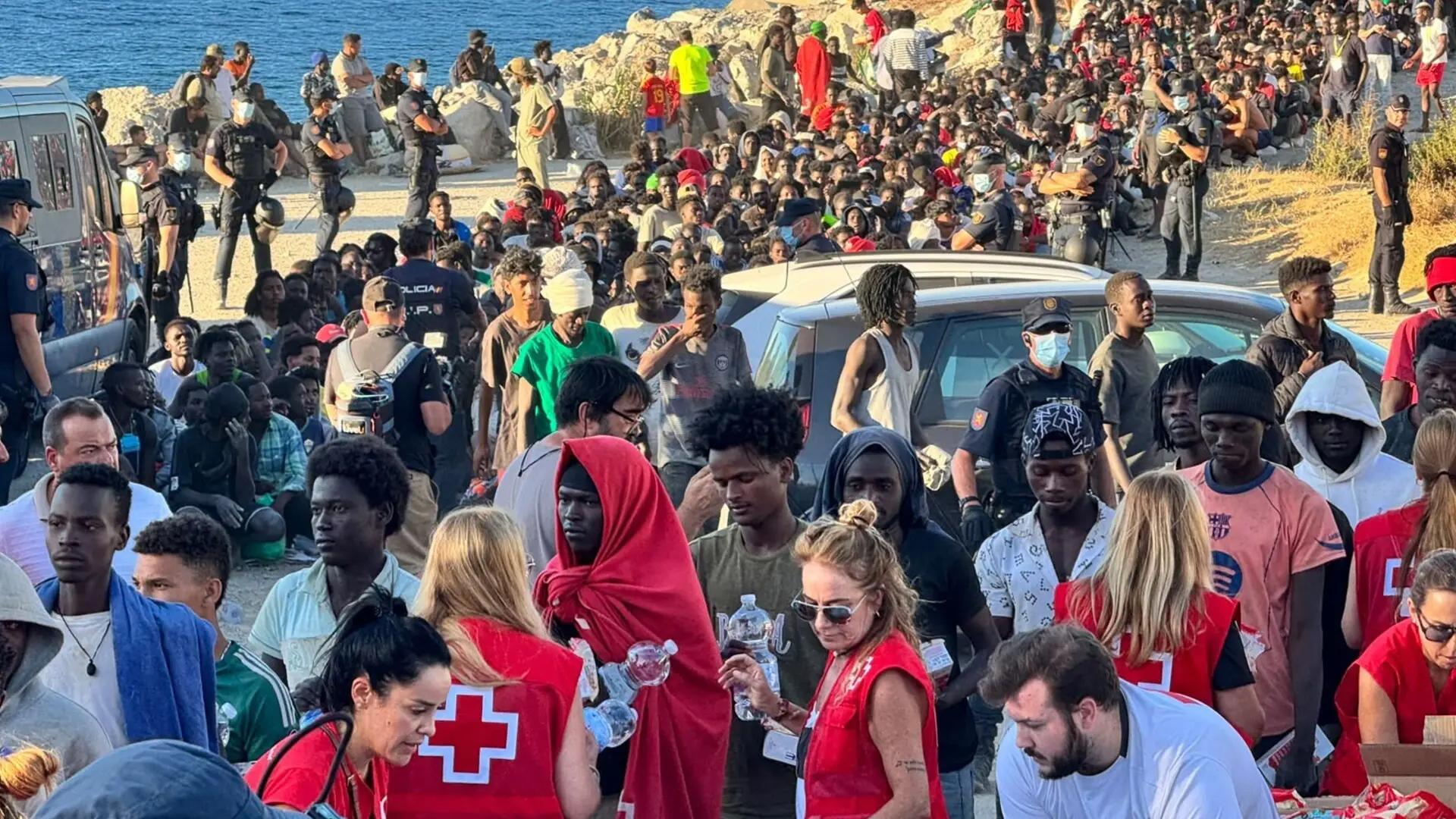
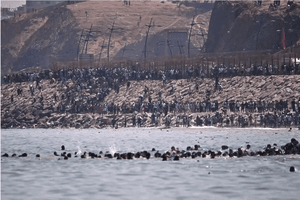
20Minutos also described how the massive entry of migrants put Ceuta under extreme pressure, noting that on Thursday alone the entry numbered about 49,000 according to the Ministry of the Interior and that by Friday noon 60,000 had already crossed.
On Saturday, Interior estimates said around 69,500 of those migrants had returned to Morocco, while 20Minutos reported that Ceuta is home to about 85,000 people.
The same live coverage said the death toll was updated by the government delegate in Ceuta, Miguel Ángel Pérez Triano, who said 72 victims died in the water while attempting to reach Spanish soil, while Ceuta’s president Juan José Vivas raised that figure to 88.
EU meeting and political pressure
20Minutos reported that EU interior ministers will meet urgently to address the events in Ceuta, and it said the government delegate Miguel Ángel Pérez Triano updated the death toll while Ceuta’s president Juan José Vivas raised it to 88.
On the streets, 20Minutos said the State Security Forces estimated on Sunday that 73,500 migrants had already left the autonomous city and returned to Morocco, and it said the figure exceeded estimates of 50,000 or 60,000 people believed to have managed to cross last Thursday.
20Minutos also quoted PP leader Alberto Núñez Feijóo, who said on X that "You only have to step out onto the street to see that the normality the Government speaks of in Ceuta does not exist," after meeting in Ceuta with unions of the National Police and associations of the Civil Guard.
Vox leader Santiago Abascal called for the militarization of the border and blamed Prime Minister Pedro Sánchez, saying in the 20Minutos account that Sánchez "should be in the dock and in prison".
In parallel, 20Minutos said the government finished installing maritime containment barriers in the border waters that began to be placed on Saturday, and it described the deployment of security forces and armed forces increased to almost 3,000 agents and soldiers to speed up pending returns.
Barriers, deaths, and stakes
20Minutos said Spain began installing a floating barrier off the coast of Ceuta to halt irregular migration attempts, and it reported that the Civil Guard began on Saturday morning to install a floating barrier 500 meters long at Tarajal Beach.
“Spain has begun erecting a floating barrier off the coast of Ceuta”
The same account said the inflatable barrier would rise between 30 and 70 centimeters above the water’s surface and extend up to one meter beneath it, while leaving a passage that allows Civil Guard vessels to continue patrolling the sea.
Aajil reported that Interior Minister Fernando Grande-Marlaska accused human-smuggling networks of exploiting migrants and spreading misleading interpretations of a ruling issued by the Spanish Supreme Court regarding the returns of migrants intercepted at sea.
Aajil also said that "at least 67 people died on the Spanish side of the border" after migrants drowned and others failed to surmount the wave barrier and the border fence.
Finally, Aajil said 22 EU governments called for an emergency meeting of interior ministers to urge European coordination to support Madrid in safeguarding the EU’s external borders, and it added that Madrid reaffirmed migrants who entered Ceuta illegally will not be able to move to the Spanish mainland or to any other Schengen area country.