Full story
Beaufort blast despite ceasefire
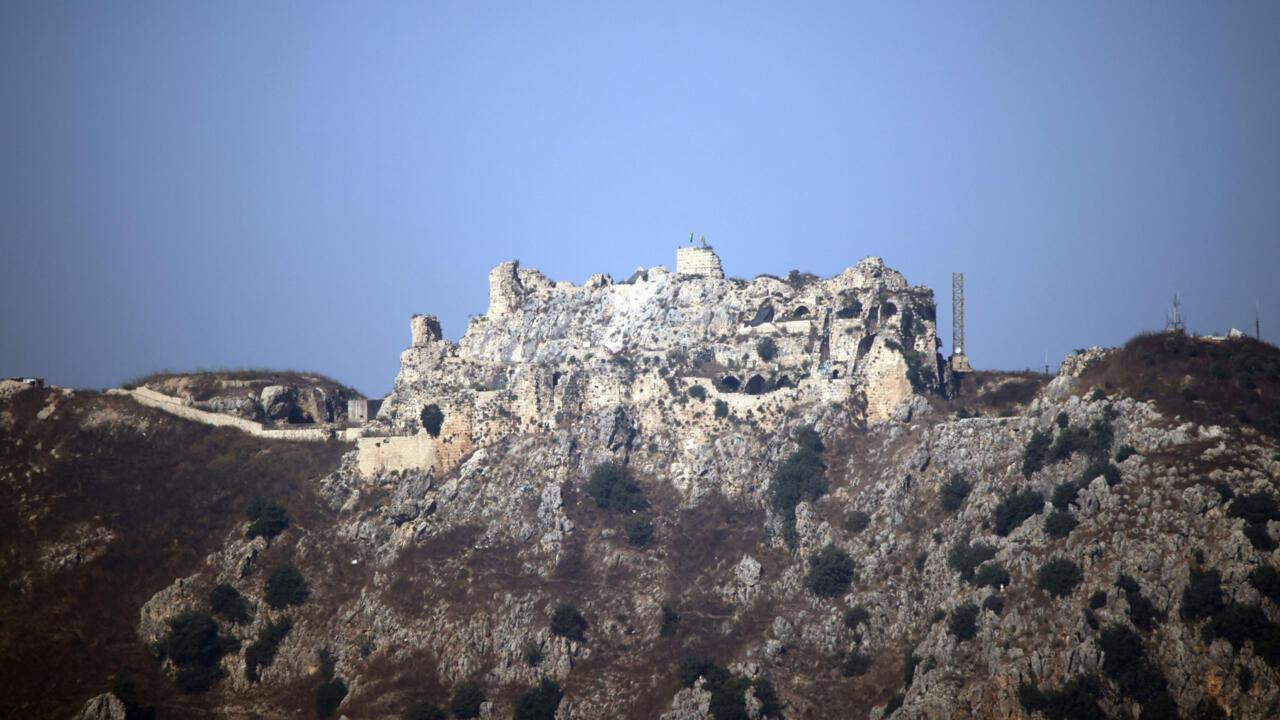
Israeli forces carried out a series of powerful detonations near Lebanon’s UNESCO-listed Beaufort Castle while continuing to occupy southern Lebanon despite a United States-brokered “ceasefire” agreement.
“about “700 tons of explosives” were used in the operation”
In a statement on Friday, Israeli Prime Minister Benjamin Netanyahu and Defence Minister Israel Katz said the army blew up a tunnel system in the Beaufort area that they claimed formed a key part of Hezbollah’s plan to infiltrate communities in the Galilee.
They said about “700 tons of explosives” were used in the operation, and Lebanon’s official National News Agency (NNA) reported that the explosions shattered windows in several homes in the town of Qlayaa.
The blast was also described by Lebanon’s official National News Agency as occurring around midnight in the area near the “Beaufort fortress,” with the sound reportedly heard across the southern regions.
Lebanon’s Health Ministry said that since March 2, Israeli attacks on Lebanon have killed 4,333 people and injured 12,236 others.
Leaders trade accusations
Lebanon’s Parliament Speaker Nabih Berri stressed that the “reverberations of the terrorist explosions that used 700 tons of explosives” reached 3.8 on seismographs and were felt from the south and mountains to the outskirts of Beirut.
Berri warned that if the reverberations do not awaken “national and humanitarian awareness about what the Israeli destruction machine is committing against humans, heritage, culture, and urban development,” then “the human being and his future are at risk.”

Lebanese President Joseph Aoun said the explosions constituted “a highly dangerous escalation and a blatant violation of existing commitments,” and he added that the attacks posed “a direct threat to the process initiated under the framework agreement.”
Aoun called on “the sponsoring parties and the international community to assume their responsibilities and put an end to these violations,” while Arab News reported that the Israeli military issued recorded warnings in Arabic telling residents to remain indoors or seek shelter elsewhere.
In parallel, Netanyahu and Israel Katz framed the blasts as a response to what they described as Hezbollah’s “blatant violation” of the ceasefire agreement after an explosive drone attack on an Israeli engineering vehicle.
What comes next
The detonations and related demolitions were reported alongside Israeli strikes and shelling in southern Lebanon, including Israeli forces shelled Ali Al-Taher Hill on the outskirts of Nabatieh Al-Fawqa with incendiary rounds.
“Israeli forces shelled Ali Al-Taher Hill on the outskirts of Nabatieh Al-Fawqa”
Arab News said Israeli forces destroyed several sections of an underground tunnel network beneath Beaufort Castle after accusing Hezbollah of launching an explosive-laden drone at an Israeli army engineering vehicle on Ali Al-Taher Hill on Tuesday night.
The same report said Israeli forces were continuing to monitor another large Hezbollah tunnel complex beneath Ali Al-Taher Hill, where it claimed dozens of Hezbollah members were believed to be sheltering.
Lebanon’s displaced people and negotiations remained central to the political context, with Al Jazeera reporting that Lebanese President Joseph Aoun visited Turkish President Recep Tayyip Erdogan in Ankara and said Lebanon seeks “an Israeli withdrawal from all Lebanese territory, the return of our displaced people to their villages.”
Al Jazeera also reported that Israeli forces have advanced more than 10km (6.2 miles) into Lebanese territory in their latest operations in the south, as the framework agreement signed in Washington on June 26 remained in place.