Full story
Qusra siege and US pressure
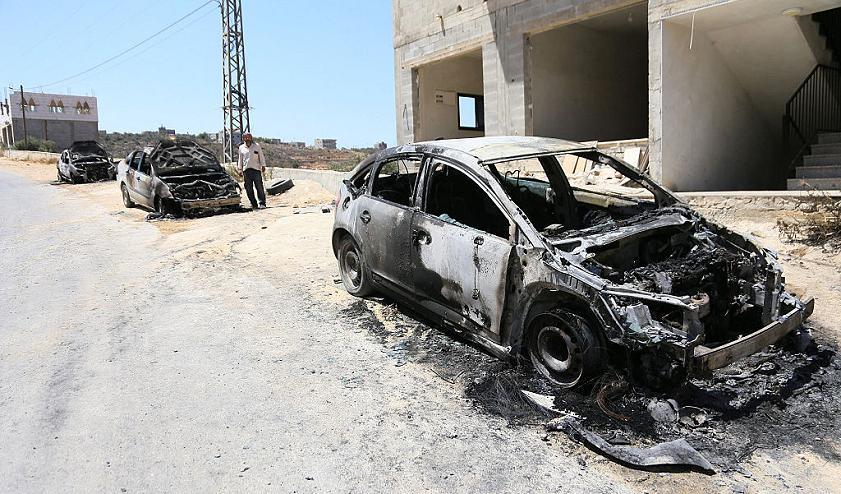
Israeli settlers besieged three Palestinian families in the occupied West Bank village of Qusra near Nablus, cutting them off from water and electricity while the families remained inside their homes since Sunday.
““VERY involved & the IDF & Israel Police have gone at our request to remove the Israeli terrorists doing this””
The siege drew unusually sharp US condemnation when U.S. ambassador to Israel Mike Huckabee called the settlers “Israeli terrorists” and said the U.S. embassy has been “VERY involved & the IDF & Israel Police have gone at our request to remove the Israeli terrorists doing this”.
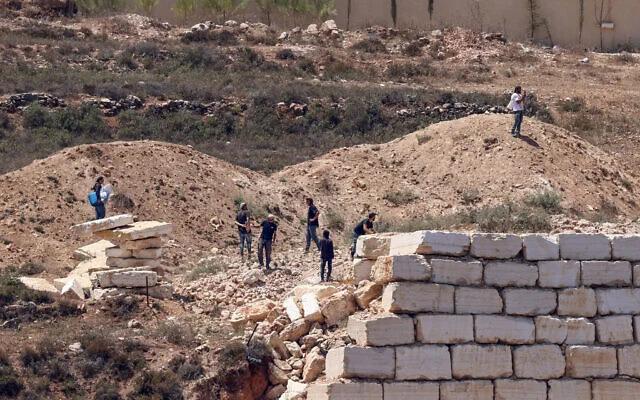
Al Jazeera reported that the three families—comprising 15 people, including two children—have been confined to their homes with their water and power cut off since Sunday, and that “Time is running out for these three families before they are forcibly displaced,” the UN Office of the High Commissioner for Human Rights warned.
In parallel, the Al Jazeera report said Israeli forces ordered families to evacuate homes in Qusra and that the mayor of Qusra, Abdul Azim Wadi, said the Israeli army closed the village and imposed a curfew while the municipality could not reach the besieged families to provide services such as water, electricity, medicine, and food.
Reactions and competing narratives
Israeli government responses were described by Al Jazeera as distancing attempts that drew disbelief from Israeli parliamentarians and rights groups, including Aida Touma-Sliman of the Hadash party who told Al Jazeera, “They can say what they want, but they’re complicit.”
Yair Dvir of B’Tselem also told Al Jazeera, “Let’s be clear, settler violence is state violence,” adding that “They both have the same aim: to displace Palestinians and to take their land.”

In the US framing, the AP reported that on Thursday Huckabee referred to the settlers as “terrorists,” a word American officials usually reserve for Palestinian militants, and said the embassy coordinated with the Israeli military and police.
The AP also described the siege as a five-night standoff in Qusra where settlers surrounded three Palestinian homes on the outskirts of the town, preventing families from leaving safely as food and water supplies dwindled, while Israeli troops intervened multiple times but settlers kept returning.
What’s at stake next
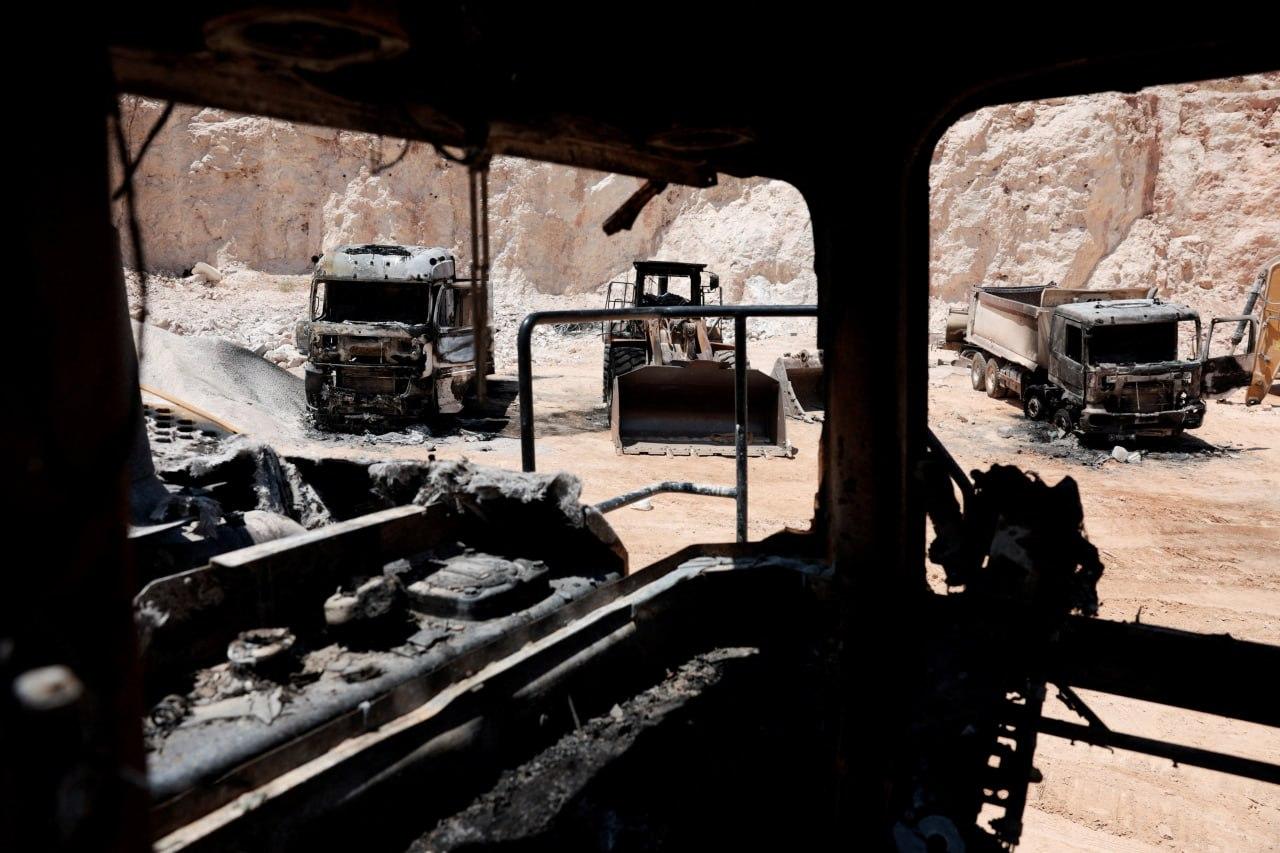
The Al Jazeera analysis said the inability of Israeli authorities to stop the siege, with settlers cutting off water and electricity to Qusra, has increased in recent months alongside a broader pattern of encroachment upon Palestinian land.
““We’re definitely seeking an escalation of violence across the occupied West Bank, East Jerusalem, and in other areas, such as Gaza"”
It also tied the Qusra events to political stakes, citing fears of escalation across the occupied West Bank and quoting Neve Gordon, a professor of International Law at Queen Mary University, London, saying, “We’re definitely seeking an escalation of violence across the occupied West Bank, East Jerusalem, and in other areas, such as Gaza, in the build-up to the election,” and describing the vote as a “rallying cry” for the settler constituency.
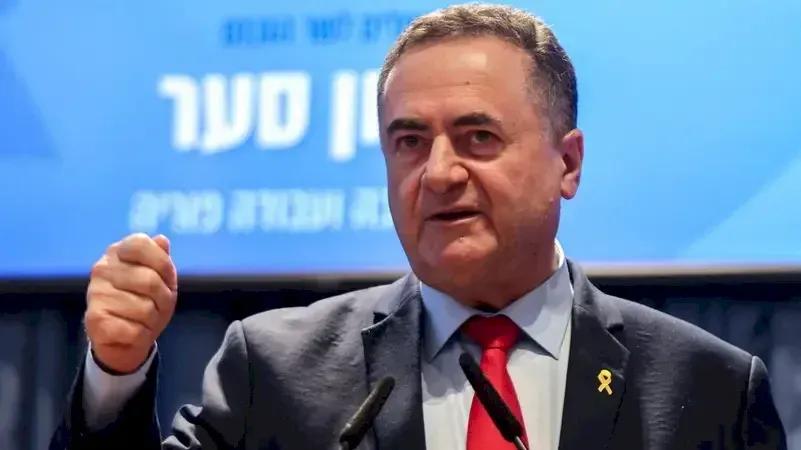
Separately, Al-Arabiya reported that Defense Minister Yisrael Katz announced he tasked the army with drafting a plan to transfer all policing powers related to settlers in the West Bank to the Israeli police, while the statement from his office stressed that “all powers related to enforcing civil law and maintaining public order will be transferred to the police.”
Amid that shift, the Al Jazeera report said Washington wants Prime Minister Benjamin Netanyahu to publicly condemn the settlers’ actions in Qusra, and it described White House aides pressuring Netanyahu after learning that a Palestinian American home was among those besieged.