Other · 12 August, 2026 · 2 min read
Yesha Council Chairman Yisrael Ganz Denounces Settler Violence in Kusra and Jalud
Yesha Council chairman Yisrael Ganz denounced Kusra settler violence as 'not our way'. Settlers besieged three Palestinian homes in Kusra, cutting power and water supplies.
Whether the US embassy/administration was actively involved in stopping the siege.
7 of 8 outlets skipped it: pro-Palestinian Christians in Taybeh faced a closed military zone.
Ynetnews was read line by line by the Watchdog: 2.6. See the score →
16outlets compared
Same story, two versions
tap a side to read it in full
Ynetnews
“The claim that the U.S. Embassy in Jerusalem is not involved in the events is incorrect.”Read the original ↗
PBS
“Huckabee'sremarks on Xrepresented an unusually sharp rebuke from the Trump administration of the latest episode”Read the original ↗
Ynet asserts embassy involvement; PBS instead frames mainly as a US rebuke over Qusra.
Kusra violence condemned
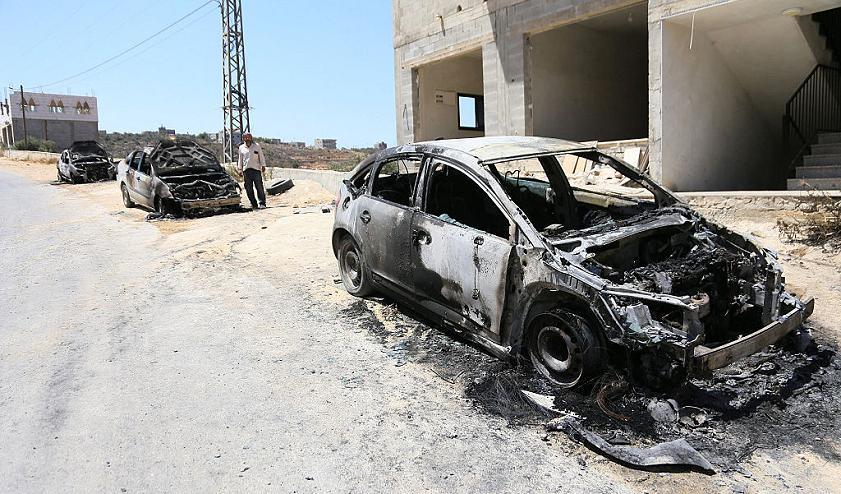
Senior settler leaders denounced violence around the Palestinian village of Kusra, with Yesha Council chairman Yisrael Ganz declaring, “The events in Kusra are serious and are not our way,” and warning there was “no place for privately deciding to establish a hilltop outpost in the yard of a house.” Ganz said there was “absolutely no justification for violence against uninvolved people or against the security forces,” and his condemnation was joined by Beit El Council head Shai Alon, who described the attacks as causing “irreversible damage” to Israel and the settlement movement.
“‘The events in Kusra are serious and are not our way,’ Ganz said.”
Alon told Ynet that those responsible were “criminal offenders who take out their rage on an innocent population,” and he said the phenomenon had to be eradicated. The condemnations came after several days of tensions in Kusra and nearby Jalud areas of the northern West Bank, after the IDF said Israeli civilians entered Palestinian homes and land earlier this week and described the activity as “illegal, reprehensible, and unacceptable.”
Qusra siege and rebuke
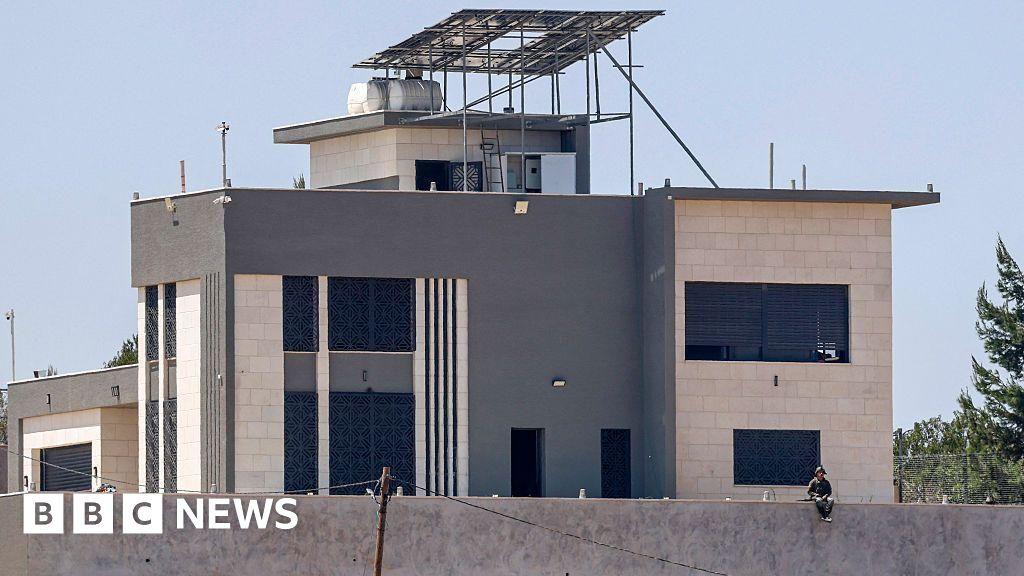
In Qusra, West Bank, Israeli settlers besieged three homes for several days, including one owned by Palestinian American Loui Ridi, as the U.S. ambassador called it a “horrific act of terror” on Thursday.
Starting Sunday, settlers gathered around three houses in Qusra, threw stones, attempted to bring down a stone wall nearby, and prevented occupants from leaving as their food and water dwindled, according to local officials and Ridi’s brother Qusai Abu Rida.

The siege drew sharp U.S. criticism, with Mike Huckabee posting, “Actions by those who carried out this horrific act of terror meant to intimidate and harass this family are disgusting. No excuse for such thuggish behavior.”
The BBC reported that Qusra Mayor Abdel Azim Wadi said his village had been declared a closed military zone and that Israeli forces were using some vacated Palestinian houses as barracks, while an Israeli spokesman told the BBC the settlers’ action was “deplorable” and “unacceptable.”
Taybeh closed zone scrutiny
In Taybeh, a Palestinian Christian village in the West Bank, Bishop James Curry said he was “deeply alarmed” after the Israeli military declared the village a closed military zone following a series of settler attacks. Curry said the move was “prohibiting Israelis, foreign nationals, and journalists from entering,” and he argued, “This ban will lead to a vital loss of income from tourism and pilgrimages and, thereby, international scrutiny on the situation,” while also saying the problem of settler violence was “a very real one” after his January visit.
“We are subjected to the harshest attacks and cannot even raise our hands against them.”
Residents and clergy described the closure as failing to stop attacks, with Middle East Eye reporting that residents documented fresh settler attacks on several families east of Taybeh on Tuesday 11 August, including the Naif al-Kaabneh family. Naif al-Kaabneh told Middle East Eye, “We are subjected to the harshest attacks and cannot even raise our hands against them,” and Father Jack Abed said, “They attack our village, and we haven't been allowed to reach our olive trees in peace for three years.”