
Israeli Soldiers and Settlers Use Sexual Violence to Force Palestinians From West Bank Homes
Key Takeaways
- At least 16 cases attributed to Israeli settlers and soldiers in West Bank.
- Sexual violence used to drive Palestinians from their homes, causing displacement.
- Abuses include forced nudity, invasive body searches, and harassment in private homes.
Sexual violence as coercion
A new report described how Israeli soldiers and settlers are using gendered violence and sexual assault and harassment to force Palestinians from their homes in the occupied West Bank, with researchers documenting “escalating sexualised attacks and humiliation of Palestinians in their communities and inside their homes since 2023.”
“Sexual violence and other forms of gender-based abuse committed by Israeli settlers and soldiers are spurring Palestinians to leave the occupied West Bank, according to a report”
The Guardian reported that Palestinian women, men and children have reported attacks including forced nudity, invasive and painful body cavity searches, Israelis exposing their genitals, and threats of sexual violence.

The report’s findings were echoed by Al Jazeera, which said researchers detailed at least 16 cases of conflict-related sexual violence attributed to Israeli settlers and soldiers, in a study titled “Sexual Violence And Forcible Transfer In The West Bank: How The Exploitation Of Gender Dynamics Drives Displacement.”
The NRC-led coalition of NGOs described the mechanism in language that multiple outlets repeated: “Sexualised violence is used to pressure communities, shape decisions about remaining or leaving their homes and land, and alter patterns of daily life,” according to The Guardian and the NRC-linked report text carried by Al Jazeera.
The Guardian added that the West Bank Protection Consortium recorded “Sixteen cases of conflict-related sexual violence” over the last three years, while also warning the figure is likely an under-reporting because of “the shame and stigma faced by survivors.”
Al Jazeera further stated that researchers found “incidents of ‘sexualised harassment, intimidation and humiliation have intensified,’ and warn that the real number of attacks likely remains underreported.”
What survivors described
The report described a pattern of abuse that reached into private spaces and daily routines, with interviewees describing forced undressing, humiliating treatment, and surveillance of intimate areas.
The Guardian said the study detailed accounts of “forced nudity, invasive and painful body cavity searches,” and also described other forms of reported violence including “urinating on Palestinians,” “taking and distributing humiliating photographs of bound and stripped individuals,” and “stalking women who are using latrines.”

Al Jazeera said the researchers found incidents included “sexualised insults, indecent exposure, intimidation, threats of sexual violence and surveillance of intimate spaces – including bedrooms.”
In one testimony described by The Guardian, “One woman was subjected to a painful internal search by two female soldiers who entered her home with settlers then ordered her to remove her clothes for a full body search,” and the report quoted her account of being instructed to open her legs “in a way that caused pain.”
The Guardian also described a case involving Qusai Abu al-Kebash, saying that last month “Israeli settlers stripped 29-year old Qusai Abu al-Kebash, from the northern Jordan valley community of Khirbet Humsa, put a zip tie on his genitals and beat him in front of his community and international activists.”
Al Jazeera described how Palestinians were forced to strip and were “beaten and urinated on,” with attackers “sharing images of the abuse.”
The report also described how Israeli soldiers present during abuse “had repeatedly failed to prevent it or prosecute those responsible,” according to The Guardian, while Al Jazeera added that soldiers “did not prevent or stop the attacks, and failed to properly investigate them.”
UN framing and displacement
The UN’s position, as relayed by outlets, tied the report’s findings to displacement and to the broader coercive environment in the West Bank.
“'Fear Is Unbearable': Israel Using Sexual Assault To Force Palestinians Out Of West Bank Among the testimonies cited was that of a woman who said she was subjected to a painful internal search by female soldiers after settlers entered her home”
Al Jazeera reported that the researchers found “more than 70 percent of the displaced people interviewed said that threats to women and children, particularly sexualised violence, were the decisive reasons for leaving their homes.”
The Arabic-language outlet Al-Arabi Al-Jadeed also cited UN spokesperson Stéphane Dujarric, saying that during a daily press briefing in New York he highlighted a statement condemning the killing of two civilian contractors with UNICEF in Gaza while delivering water, and then returned to the West Bank report’s findings about sexual harassment and assault inside homes.
In that same UN framing, Al-Arabi Al-Jadeed said Dujarric drew attention to data from the UN Office for the Coordination of Humanitarian Affairs indicating that “during 2026, more than 2,500 Palestinians—including over 1,100 children—were displaced from their homes across the West Bank.”
The Arabic-language report further stated that “about 75% of these displacement cases are attributed to settler attacks and restrictions on freedom of movement and access,” and it described the NRC report’s conclusion that “Israeli settlers subject Palestinians to sexual violence and other forms of abuse within a coercive environment that drives displacement across the West Bank.”
The UN statement carried by Al-Manṣa said that “more than 70% of these displacements are directly attributable to settler attacks and the tightening of restrictions on movement and access,” and it described the psychological impact as “a primary catalyst for migration.”
The same Al-Manṣa account also said that “Since the beginning of 2026, more than 2,500 Palestinians—including 1,100 children—have been displaced across the West Bank,” and it linked the displacement to “intensive arrest campaigns” and “settlers concurrently raid Palestinian homes, destroying property” as part of settlement expansion.
Impunity and legal decisions
Several outlets connected the report’s allegations to a broader theme of impunity, including decisions affecting soldiers accused of sexual assault.
The Guardian said the rise in sexualised violence and harassment was happening “amid a broader culture of impunity for attacks on Palestinians,” and it pointed to “a recent decision to drop charges against soldiers for the filmed rape of an inmate at the Sde Teiman centre” as sending “a particularly clear message.”
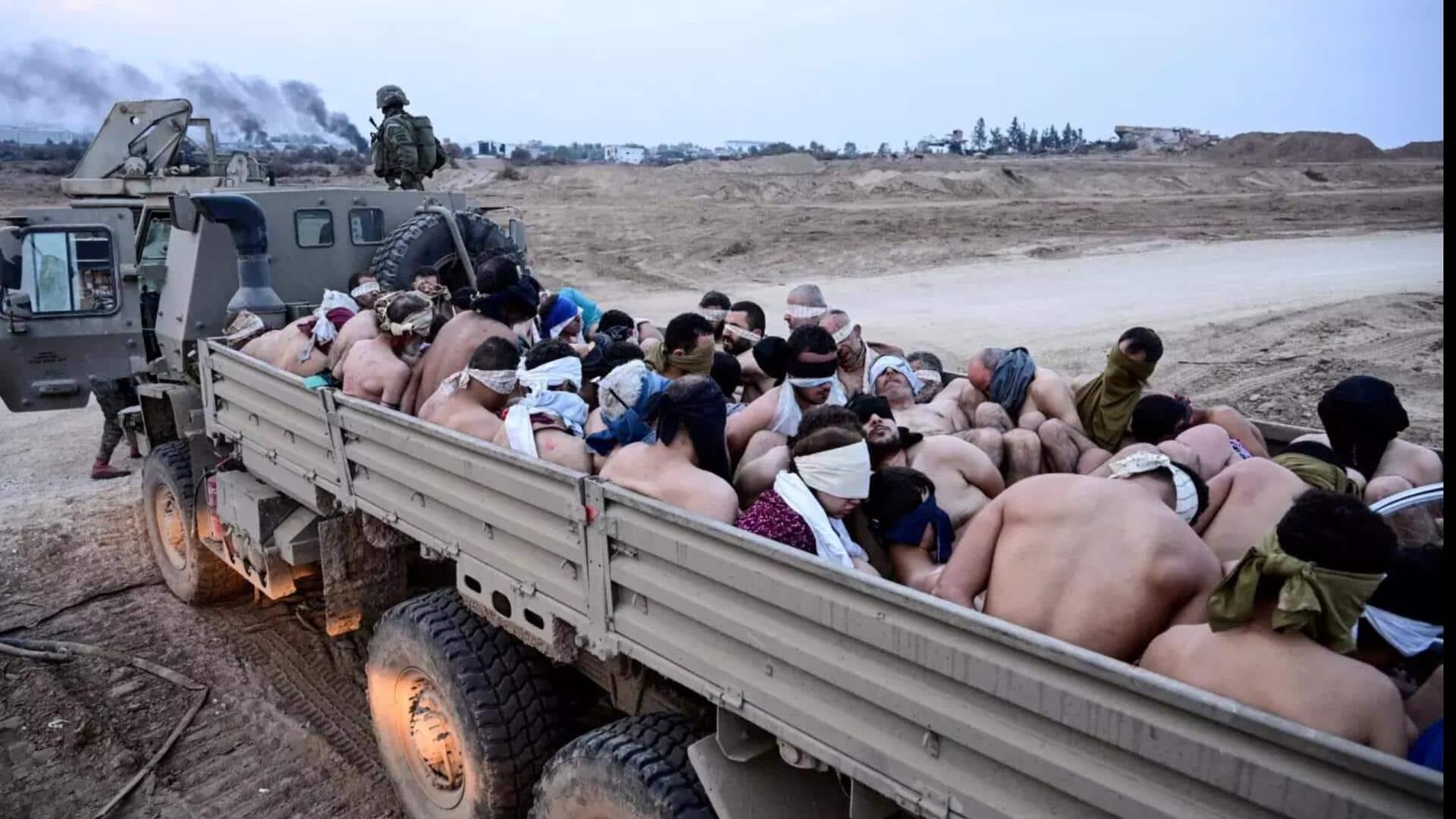
The Guardian quoted Physicians for Human Rights – Israel’s Milena Ansari saying: “Israeli officials are effectively green-lighting the use of sexual violence, when they” (the quote is cut off in the provided text).
Al Jazeera reported that last week the Israeli military authorised “five soldiers accused of sexually assaulting a Palestinian inmate in the notorious Sde Teiman detention camp to return to reserve service, after charges against them were dropped,” and it specified that the soldiers were “all from the Force 100 unit assigned to guard military prisons.”
Al Jazeera added that the soldiers were being reinstated “despite an ongoing, internal military inquiry into their conduct,” and it said rights groups condemned the decision as “a legal injustice,” with Amnesty International calling it “yet another unconscionable chapter in the Israeli legal system’s long-standing history of granting impunity to perpetrators of grave crimes against Palestinians.”
The Common Dreams account also described the Sde Teiman context, stating that “These abuses include severe injuries caused by 24-hour shackling of hands and feet that sometimes required amputations, alleged rape and sexual assault by male and female soldiers,” and it said the IDF is investigating “the deaths of dozens of Palestinians at Sde Teiman.”
It further stated that “one man who died after allegedly being sodomized with an electric baton,” and it framed the report’s legal conclusion by quoting WBPC chief of party Allegra Pacheco that “When coercive conditions leave people with no genuine choice but to leave, this amounts to forcible transfer under international law.”
Consequences for daily life
The report described consequences that extended beyond displacement, including impacts on schooling, work, and family life, with The Guardian saying sexual violence and harassment had “severe impacts even when communities were not displaced.”
“Israeli soldiers and settlers are using gendered violence and sexual assault and harassment to force Palestinians from their homes in the occupied West Bank, human rights and legal experts say”
The Guardian reported that “To limit the chance of coming into contact with Israelis who might assault or harass them, girls had quit school and women had stopped working,” and it said this led to “a rise in early marriage,” with parents arranging ways to move daughters away from threats.

It added that “At least six families interviewed for the report arranged weddings for girls aged between 15 and 17,” and it quoted WCLAC advocacy unit manager Kifaya Khraim saying, “Girls aren’t going to schools, and you see early, forced marriages. These are minors, but we know their mothers and fathers are trying to protect them by sending them out of the area.”
Khraim also said, “Women lose their jobs because they can’t get to work because of the sexual violence and then deciding to stay at home.”
The News18 account carried the same report’s framing that “Fear Is Unbearable” and reiterated that researchers said more than two-thirds of households surveyed identified rising violence against women and children, including sexual harassment targeting girls, as a key factor in deciding to leave.
Common Dreams added further quantified impacts, stating that in the West Bank “92% of affected households interviewed lost access to land, 88% lost their homes, and 84% lost essential assets,” and it said “More than half lost livelihoods, while 40% of children lost access to education.”
It also said “Women report severe psychological distress at striking rates, alongside ongoing fear, instability, and exposure to further violence after relocation.”
More on Gaza Genocide
Spain, Ireland, and Slovenia Push to Suspend EU-Israel Deal as Germany and Italy Block
10 sources compared
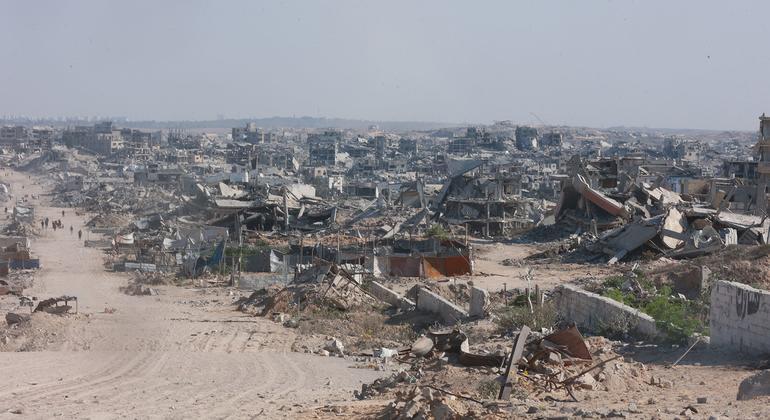
RDNA Finds Gaza Needs More Than $71 Billion Over Next Decade for Recovery
11 sources compared
EU, UN Estimate Gaza Recovery Needs $71.4 Billion Over Next Decade
24 sources compared
Northern Israel Residents Shut Schools And Shops To Protest Lebanon Ceasefire
11 sources compared