Lebanon23 April, 20265 min read
Israeli Soldiers Loot Civilian Homes in Southern Lebanon, Testimony Says Commanders Do Nothing
This article is an automated aggregation of coverage from news outlets. Our editorials offer in-depth analysis curated by the NewsCord team.
Israeli soldiers looted civilian property in southern Lebanon, including TVs, motorcycles, carpets, and furniture. Commanders were aware of the looting but did not intervene.
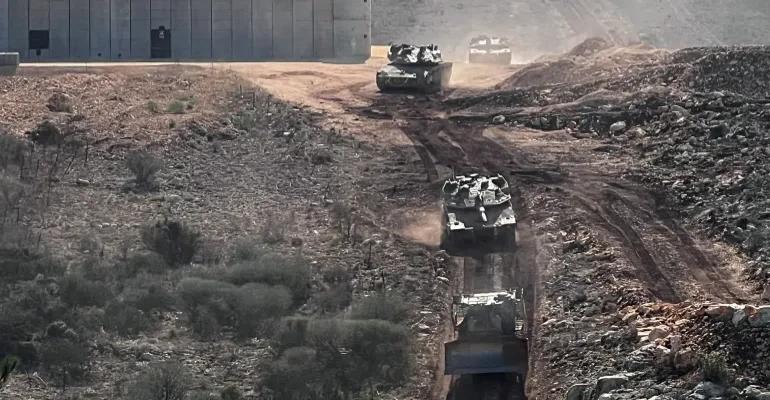
Looting in Southern Lebanon
Israeli soldiers and commanders are accused of looting large quantities of civilian property from homes and shops in southern Lebanon, according to testimony that Haaretz provided to other outlets. Al-Jazeera Net says Haaretz described looting of “motorcycles, televisions, paintings, sofas, and carpets” as a “widespread phenomenon,” with both higher and lower leadership “aware of it, but they do not take disciplinary measures to eradicate it.” L’Orient Today reports that the looting includes “sofas, televisions, motorcycles and carpets,” and says Haaretz reported “little disciplinary action taken.”
Haaretz itself, as quoted by L’Orient Today and described in its own report, says “Israeli soldiers have been looting significant amounts of civilian property from homes and businesses in southern Lebanon.” Shafaq News similarly describes incidents as “increasingly routine” during military operations, and says troops remove “motorcycles, televisions, artwork, carpets, and furniture” from civilian properties. In Haaretz’s account, soldiers testify that “Commanders know and do nothing,” framing the practice as something commanders are aware of while disciplinary action is absent.

How Looting Was Carried Out
Haaretz’s reporting, as relayed by Al-Jazeera Net, describes looting as openly visible during withdrawals, with soldiers loading vehicles “without trying to hide it.”
Al-Jazeera Net quotes a soldier saying: “The matter is at a crazy scale; anyone who takes something — TVs, cigarettes, tools, or anything else — places it immediately in his vehicle or hides it aside, not at the site, but the matter is not a secret. Everyone sees and understands.”

The same account says witnesses told Haaretz that soldiers load stolen equipment “while leaving Lebanon,” and it describes how the theft has become routine in the context of military operations.
Shafaq News likewise says troops were “seen openly loading items onto military vehicles as they withdrew from Lebanese territory,” and it adds that individuals who find items “typically take them immediately and place them in their vehicles, with little effort to conceal the activity.”
L’Orient Today reports that “the theft of motorcycles, televisions, paintings, sofas and carpets has become routine,” and it says “Regular and reserve soldiers are reportedly taking large amounts of civilian property from homes and businesses in southern Lebanon.”
Haaretz’s own framing, as summarized in its report, is that soldiers and commanders stationed inside the country gave testimonies to Haaretz about looting significant amounts of civilian property.
Commanders, Discipline, and Military Police
Multiple accounts attribute the persistence of looting to weak enforcement and gaps in military police presence at exit routes.
Al-Jazeera Net says Haaretz quoted the Israeli army as saying it takes “disciplinary and criminal actions when necessary,” and that “the military police conduct inspections 'at the northern border crossing when leaving combat areas'.”
Yet Al-Jazeera Net also highlights a “paradox” it says Haaretz pointed to: “some of the military police posts set up at exit points from southern Lebanon to prevent looting have been removed, and no posts were set up at other exit points in the first place.”
L’Orient Today repeats that the phenomenon expanded “because some military police posts previously positioned at exit points from southern Lebanon to prevent looting have been removed,” and because “no posts were deployed at other exit routes in the first place.”
Shafaq News similarly states that “military police checkpoints previously deployed at border crossings to deter looting have been removed, while no replacement measures have been introduced.”
Al-Jazeera Net adds that Haaretz quoted soldiers saying some commanders condemn the practice but “refrain from punishing the thieves,” including a soldier who testified: “With us, they don’t even comment or get angry. The battalion commander and the division commander know everything.”
War Dynamics and Negotiations
The looting allegations are presented alongside explanations tied to the evolution of fighting and the structure of command authority during deployments.
Al-Jazeera Net says Haaretz linked the continuation of looting to “the continuation of fighting since October 7, 2023” and to “the decision not to involve the military police to investigate looting committed by reserve soldiers.”
It quotes a soldier saying: “Soldiers here have served more than 500 days, and today the commanders — whether they are company commanders or battalion commanders or even brigades — cannot jail reserve soldiers; they know that discipline in the Israeli army has collapsed, and they do not have the power to influence it; they prefer to close everything quietly, so that people can return for the next round.”
The same Al-Jazeera Net account says soldiers told themselves: “what difference does it make if you took? It will be destroyed anyway,” in the context of “widespread destruction” to infrastructure and property.
Shafaq News adds a separate diplomatic timeline, stating that “the allegations come as asecondround of ambassador-level talks between Lebanon and Israel is scheduled to take place today in the United States,” and it says “The first round of negotiations washeldin Washington on April 14.”
Shafaq News also says “Three days later, the two sides reached a 10-day ceasefire agreement halting the military operations between Hezbollah and Israel,” and it specifies that “Despite the ceasefire, Lebanon’s National Council for Scientific Research has documented around 220 Israeli violations, including airspace breaches, artillery fire, airstrikes, and ground activity.”
Ceasefire Stakes and International Pressure
The allegations are framed as potentially affecting ceasefire efforts and broader diplomatic dynamics, with at least one outlet explicitly connecting the looting to the risk of strain. Crypto Briefing says “Reports of Israeli soldiers looting homes in southern Lebanon could strain ceasefire efforts,” and it describes the looting as reported by Haaretz based on soldier testimonies, with troops “openly taking items like TVs and motorcycles.” It adds that “These actions risk being treated as violations of the fragile ceasefire,” and it says this “could affect both the Israel x Hezbollah ceasefire by April 30 and the Trump endorsement of Israeli ceasefire markets.”
Shafaq News, while not discussing markets, emphasizes the ceasefire context by noting that “Three days later, the two sides reached a 10-day ceasefire agreement halting the military operations between Hezbollah and Israel,” and it says that “Despite the ceasefire, Lebanon’s National Council for Scientific Research has documented around 220 Israeli violations.” L’Orient Today also ties the report to a wider pattern of accusations, saying Israel “has also faced similar accusations during its war in Gaza,” and it cites the Euro-Med Human Rights Monitor documenting “extensive and systematic looting of Palestinian homes and businesses in Gaza by Israeli forces.” In the same L’Orient Today account, the Israeli army response is that it “takes disciplinary and criminal measures when necessary,” and that “military police carry out inspections “at the northern border crossing when leaving the fighting.””