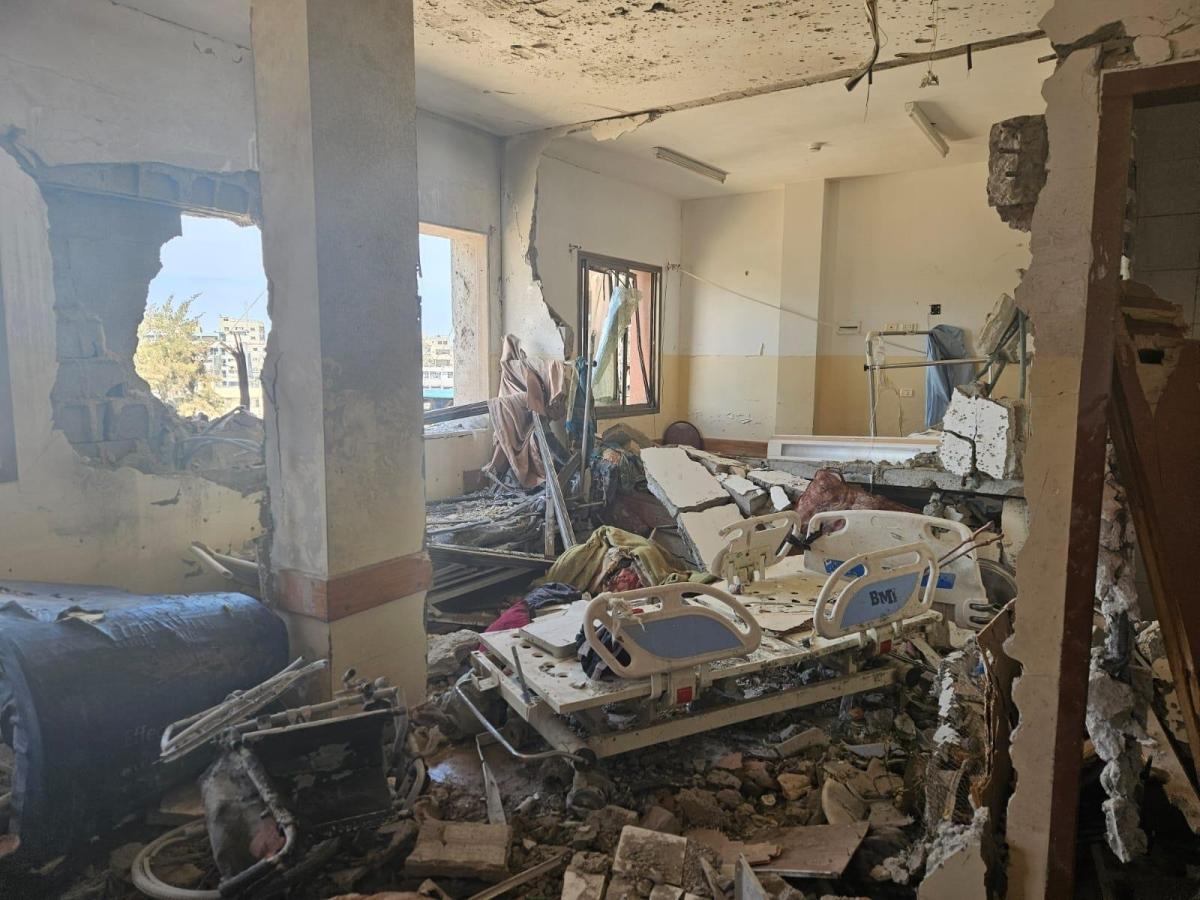
Israel’s Attacks Leave Half of Al-Shifa Dialysis Machines Inoperable, Threatening 240 Patients
Key Takeaways
- About half of Al-Shifa's dialysis machines are inoperable.
- Gaza Health Ministry warns of serious health consequences for dialysis patients.
- Israeli attacks and ceasefire violations accompany the dialysis outage at Al-Shifa.
Dialysis machines fail
Nearly half of the dialysis machines at Gaza’s largest hospital, al-Shifa Medical Complex, have stopped working as Israel’s blockade and repeated attacks continue to cripple the enclave’s health system.
“The Health Ministry in the Gaza Strip warned of serious health consequences after about half of the dialysis machines at the Al-Shifa Medical Complex stopped functioning, while Israeli forces continued to breach the ceasefire and launched new attacks that killed six Palestinians and injured dozens”
Dr Ghazi al-Yaziji, head of the artificial kidney department at al-Shifa, said a severe shortage of sodium bicarbonate forced 25 machines out of service, leaving only 26 operating and even then only partially.

Medical teams have had to shorten dialysis sessions from four hours to three and cut weekly treatment sessions from three to two, al-Yaziji said.
He warned that the cuts are putting about 240 patients with Stage 5 chronic kidney failure at serious risk, with increased danger of heart and respiratory complications that could prove fatal in some cases.
The Health Ministry in the Gaza Strip warned of serious health consequences after about half the dialysis machines at al-Shifa stopped functioning, as Israeli forces continued to breach the ceasefire and launched new attacks that killed six Palestinians and injured dozens.
Attacks around hospitals
In a separate account focused on Nasser Hospital in Khan Younis, Médecins sans frontières said the Israeli army besieged and attacked the facility, which had previously been the largest in the southern Gaza Strip.
MSF said that during the night of February 14 to 15, 2024, an Israeli artillery shell hit the orthopedic department, killing one person and wounding eight, after Israeli forces stormed the hospital at dawn on February 15.
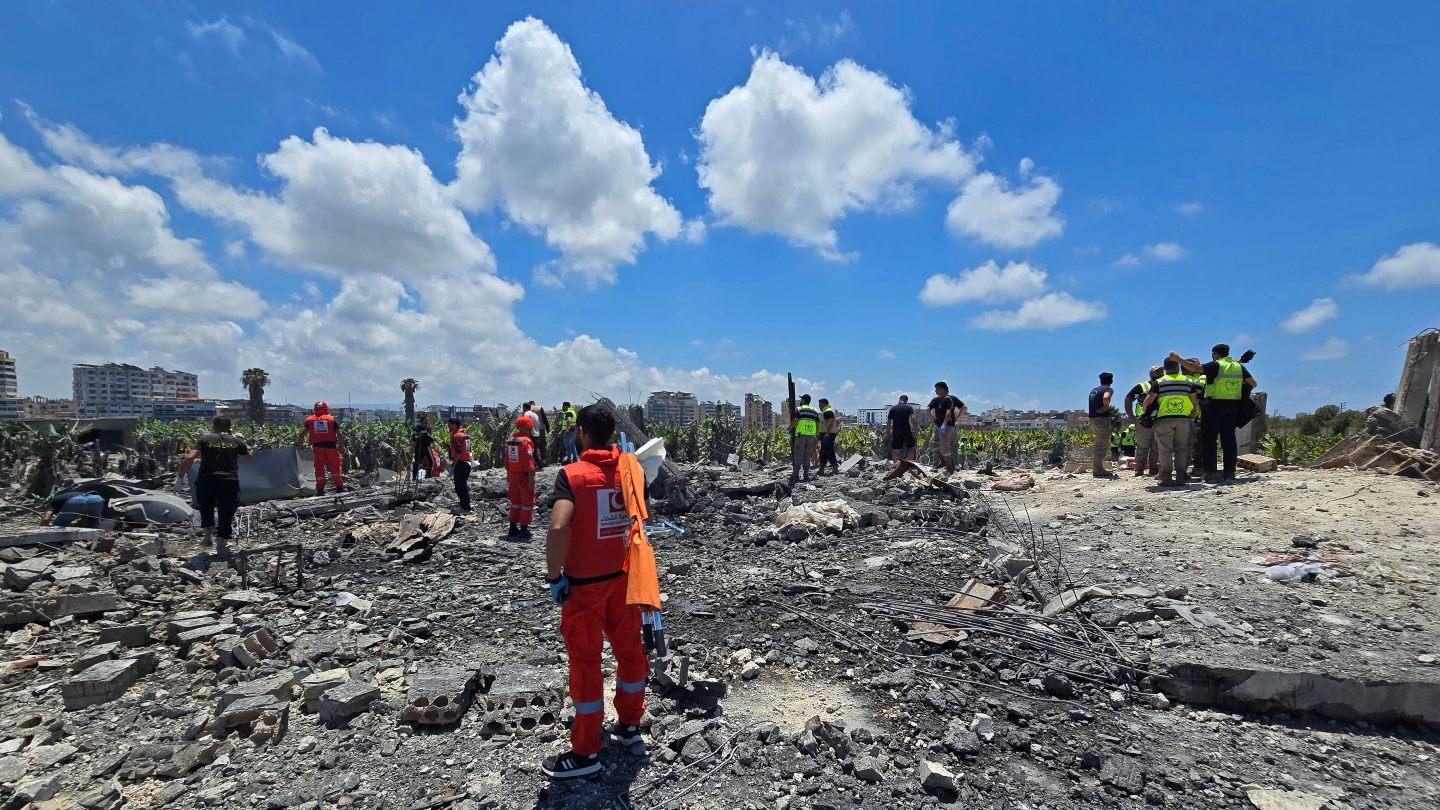
MSF described how, after evacuation orders issued on January 23 for blocks 107 to 112 including Nasser Hospital, the facility became at the heart of intense fighting where no one could enter or leave without risking their life.
MSF also reported that by February 8, sniper fire directed at the hospital caused several deaths and injuries, and that on February 13 an evacuation order concerning displaced people who had taken shelter inside Nasser was issued by the Israeli army.
In Al-Jazeera Net’s account of continued violence, an Israeli drone carried out an air strike targeting a crowd around Umm al-Fahm School in Beit Lahia, and a medical official at Shifa Hospital confirmed it killed Muath Mohammed Ahmed (20) and Wael Mahmoud Labed (26) and wounded a third person seriously.
Travel blocked, risks rise
Al-Jazeera Net reported that travel by a number of patients in Gaza via the Rafah crossing for treatment abroad was canceled because they did not obtain security approvals from the Israeli occupation, according to the Health Ministry in the territory.
“During the night of February 14 to 15, 2024, Nasser Hospital, previously the largest in the southern Gaza Strip, was struck by an Israeli army artillery shell hitting the orthopedic department, killing one person and wounding eight”
The same source said the ministry submitted about 70 life-saving cases urgently, but only 5 cases obtained the necessary security approvals to travel.
It also warned that Israel obstructs travel of 17,000 Palestinians who hold medical referrals to treatment abroad, warning of rising deaths among patients.
MSF’s account of Nasser Hospital emphasized that as the Israeli army advances in the Gaza Strip, MSF said it had to evacuate several health centers in the north and was forced to work mainly in the south because it could no longer operate elsewhere, adding, "We are obliged to leave patients behind."
Against that backdrop of disrupted care, Dr Ghazi al-Yaziji warned that the dialysis shortage and emergency measures—reducing sessions from four hours to three and weekly sessions from three to two—could lead to fatal heart and respiratory complications for patients with kidney failure.
More on Gaza Genocide
Israeli Drone Attack Injures Hospital Workers at Kamal Adwan Hospital in Beit Lahia, Gaza
13 sources compared
Israeli Security Forces Kill Four Bani Odeh Family Members Near Tubas in West Bank
14 sources compared
Haley Stevens And Abdul El-Sayed Clash In Michigan Senate Debate Over Israel And Gaza Policy
12 sources compared
Settlers Attack Hawara, Injuring 13 Palestinians South of Nablus
13 sources compared