Lebanon02 June, 20263 min read
Israel’s Campaign Against Hezbollah Displaces Lebanon’s Shiites, Killing Thousands Since March 2
This article is an automated aggregation of coverage from news outlets. Our editorials offer in-depth analysis curated by the NewsCord team.
Lebanon's Shiite communities face displacement and village destruction from Israel's campaign against Hezbollah. Israel's campaign causes depopulation of southern Lebanon and fear of broader casualties.
War toll and displacement
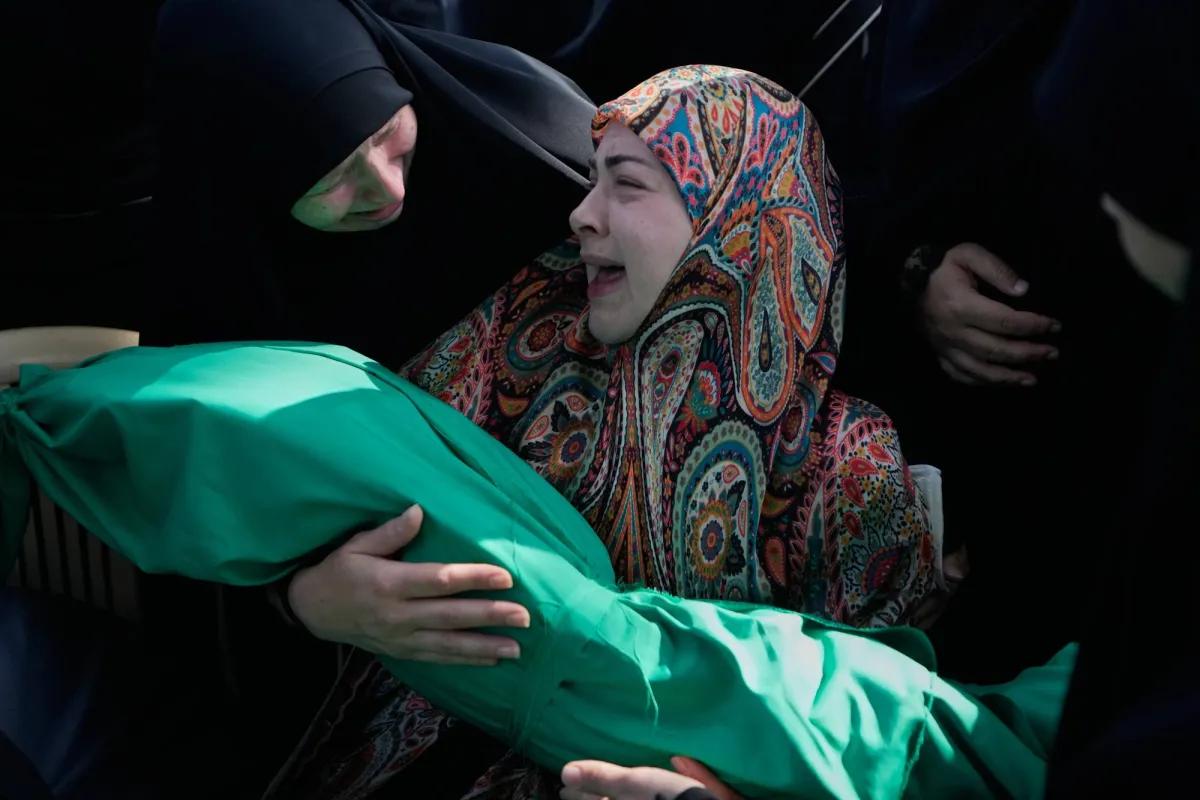
Lebanon’s Shiite community is facing what UPI describes as a “semi-Nakba,” with Shiites bearing much of the cost of Israel’s campaign against Hezbollah through “systematic displacement, destruction and depopulation of southern Lebanon.” UPI says the devastation wrought by Israel’s attacks since October 2023 has included killing thousands and wiping out entire villages, and it reports that an escalation that began on March 2 has killed 3,412 people and wounded 10,269, according to an updated count released by the Lebanese Health Ministry on Sunday. UPI adds that most of the 1.2 million people displaced by the war fear they may never return due to Israel’s large-scale destruction of homes, villages, neighborhoods, and vital infrastructure in southern Lebanon.
In the same UPI account, a resident of the Baalbeck-Hermel district in eastern Lebanon’s Bekaa Valley said there have been “more than expected” casualties, including 180 Hezbollah fighters killed in the war since March 2, with 100 buried discreetly and the others unaccounted for. UPI also quotes Mona Fayad, an anti-Hezbollah political activist, writer and psychology professor, saying the displacement has left Shiites living through “a Nakba even worse than the Palestinian one.”

Hezbollah, Iran, and anger
Multiple outlets describe a widening grievance among Lebanon’s Shiites that goes beyond Hezbollah and Amal and increasingly targets Iran directly, as residents say the war launched in support of Tehran ended in destruction, displacement, and loss. The Middle East reports that Zeinab, a woman displaced from the south, said: “The war was launched under the slogan of supporting Iran, but today we feel that we have been left alone.” The same outlet quotes Umm Mohamed, a mother of two renting a home in Mount Lebanon, saying: “Tehran said it would not enter negotiations before a ceasefire in Lebanon, and then it said it reached a ceasefire as a result of negotiations with America, while the bombardment and Israeli occupation expand every day.”
yalibnan similarly frames the shift as visible on social media among supporters of the Amal Movement led by Parliament Speaker Nabih Berri and among Hezbollah supporters, with ideological and political slogans no longer able to contain “anger and despair.” In that account, Hezbollah-affiliated cleric Sheikh Assad Qasir is cited for remarks that “preserving the Islamic Republic in Iran is a religious duty that takes precedence over preserving individuals.”
Political pressure and threats
While UPI and regional outlets focus on Shiite anger and displacement, بوابة الشروق portrays Hezbollah as being in “distress,” saying its leadership and members are in a state of despair and fighting to keep the organization alive. بوابة الشروق argues that Hezbollah’s members are forced to fight with what it calls “essentially light weapons and thousands of short-range missiles (40–70 km), mortar shells, attack drones, suicide drones, and anti-tank missiles,” and it says this arsenal can injure Israeli forces and disrupt life for the north but “does not have the capacity to inflict heavy damage on the State of Israel.” The same source says Hezbollah’s distress includes “the loss of legitimacy of its armed presence and activity within Lebanon’s sovereign territory,” adding that the current Lebanese government has issued an official decision to disarm it.
بوابة الشروق also claims that “Recently, senior Hezbollah officials have increasingly threatened civil war against the government in Beirut and against other sects in Lebanon,” and it says this suggests the party is preparing for internal war that could include seizing Beirut and other centers of power. In the political arena, The Times of Israël reports that opposition leader Benny Gantz told reporters: “We win in Tehran and lose in Jerusalem,” as he criticized the coalition for pushing forward controversial and partisan bills in the midst of war.