Full story
Kushner meets Hamas in Egypt
Jared Kushner, President Donald Trump’s son-in-law and envoy, met Hamas leader Khalil al-Hayya in Egypt’s El-Alamein on Sunday as part of a push to revive a Gaza peace plan rejected by Israeli Prime Minister Benjamin Netanyahu.
“Kushner pressed for verifiable disarmament”
The talks were held as Hamas said it called on mediators and the US-created Board of Peace to “compel” Israel to “approve the roadmap ... and begin establishing a timetable for its implementation”.

SBS reported that the meeting came after Hamas endorsed the latest stage of Trump’s Gaza plan by saying it would hand over weapons to a new governing committee, while Kushner pressed for verifiable disarmament, a key demand of Netanyahu.
The Guardian said the over two-hour meeting in Egypt with al-Hayya was confirmed by a regional official and a Hamas official, and it framed the effort as aimed at salvaging a stalled Gaza ceasefire plan that hinges on Hamas disarmament and Israeli withdrawal.
In the same diplomatic push, Kushner was set to meet Netanyahu on Monday, with the Guardian saying the talks aim to salvage the plan for Hamas to disarm and Israel to withdraw from the Palestinian territory shattered by war.
Condemnations and competing demands
Regional mediators and other countries condemned Israel’s rejection of the Gaza peace plan, with SBS saying five Arab countries and Türkiye, Pakistan and Indonesia condemned Israel’s rejection and that in a joint statement they said “Israel bears direct and full responsibility”.
The Guardian reported that several regional powers including Saudi Arabia and the United Arab Emirates issued a joint statement condemning Israel’s rejection, saying “Israel now bears responsibility for obstructing the efforts to bring peace in Gaza.”
Hamas, in its statement after the meeting, called on mediators and the Board of Peace to “compel” Israel to “approve the roadmap ... and begin establishing a timetable for its implementation,” while the Guardian said Hamas later called on mediators and the Board of Peace to “compel” Israel to approve the road map for next steps.
The Guardian also said Netanyahu last week rejected the new 15-point, US-backed road map in a rare public show of defiance, and it described the plan as requiring Hamas to disarm and Israel to withdraw while leaving reconstruction and international forces deployment on hold.
NPR described the immediate stakes as “the lives of some 2 million people in Gaza” and said Hamas was waiting for mediators to start a “14-day negotiation period” to work out a timetable for implementation.
What’s at stake next
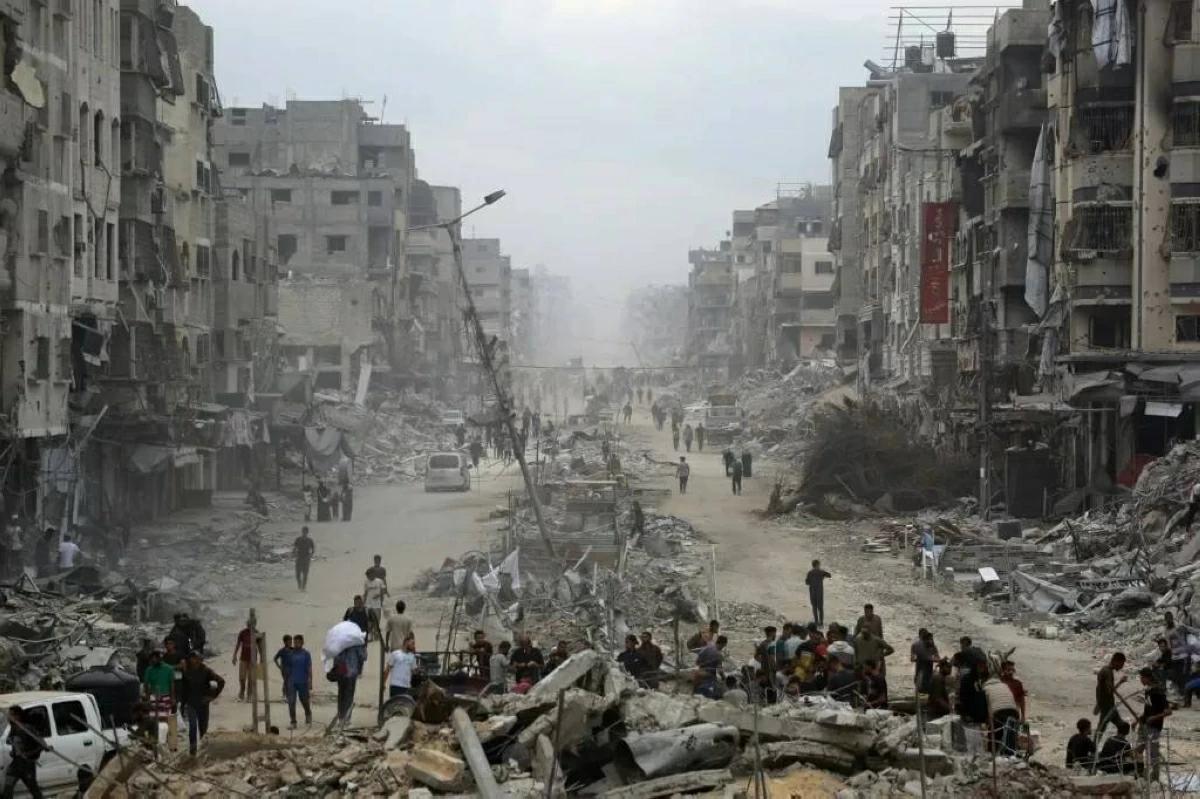
The Guardian said the talks are aimed at moving from the stalled ceasefire framework toward implementation, with the road map tied to the transfer of power in Gaza and reconstruction of the crowded enclave now largely controlled by Israeli forces.
“At stake are the lives of some 2 million people in Gaza”
It reported that at stake are the lives of some 2 million people in Gaza and reconstruction more than 10 months after the ceasefire ended major military operations, while also noting that the committee meant to oversee daily operations has not yet entered Gaza.
The Guardian further said Netanyahu’s stance leaves other elements of the ceasefire on hold, including reconstruction and the deployment of international forces to separate Israeli forces from committee-controlled areas, because Netanyahu says Israel will not retreat from any position until Hamas is completely disarmed.
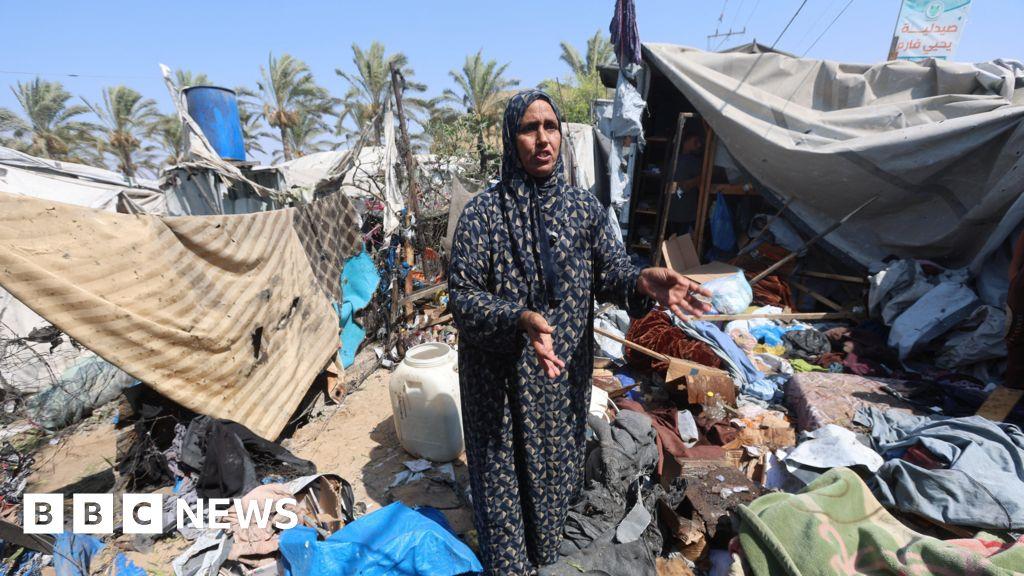
SBS added that Israel resumed airstrikes in Gaza after a lull following Trump’s promotion of the peace plan, and it cited Mahmoud Bassal, spokesperson for Gaza’s civil defence agency, saying several people were injured after Israeli aircraft targeted a house west of Nuseirat.
AFP, via مونت كارلو الدولية, said the Palestinian death toll in Gaza reached at least 1,262 since the start of the ceasefire, while Israel reported the deaths of five soldiers and one contractor working for the defense ministry.