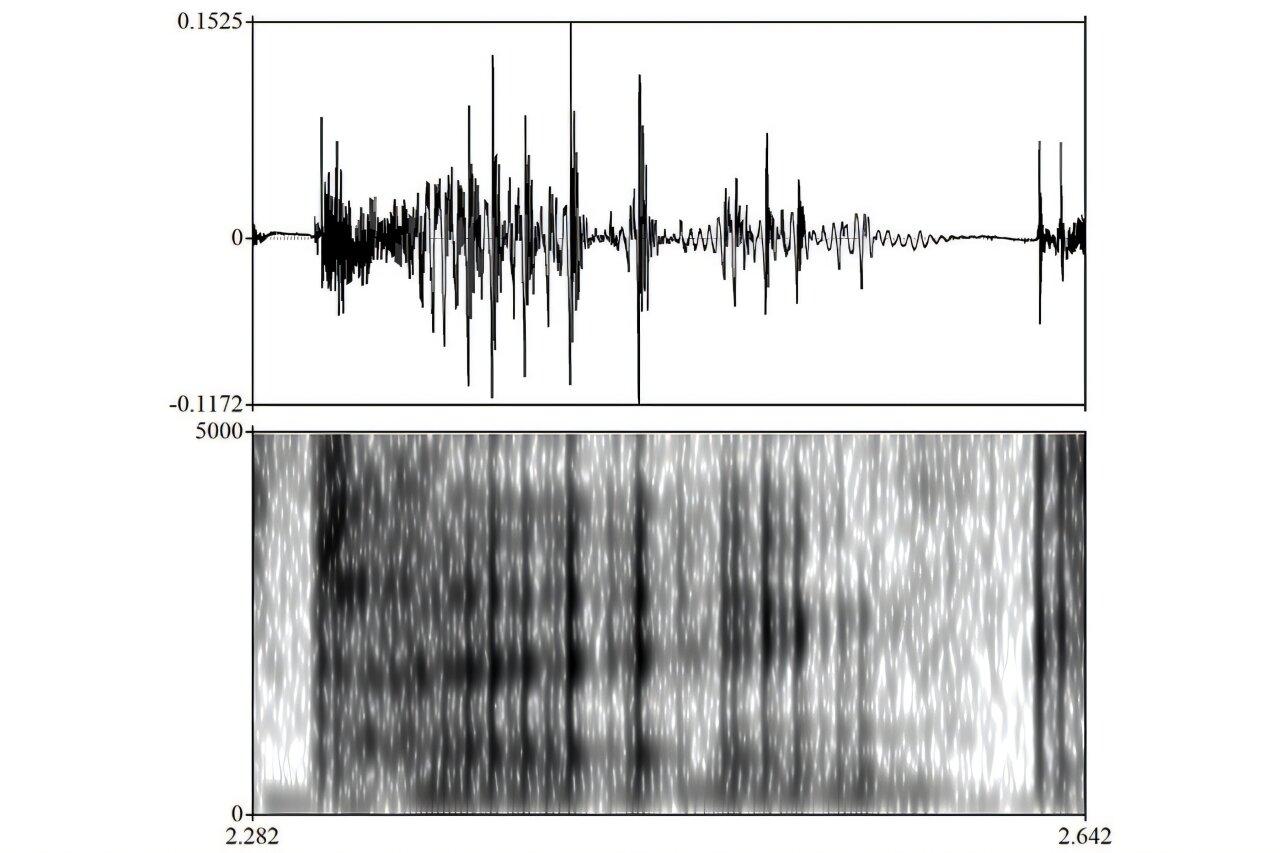
Jeanne Brown Finds Vocal Fry More Prevalent in Men, Creak Increases With Age
Key Takeaways
- Vocal fry is more common in men than women, contradicting stereotype.
- Stereotype linking vocal fry to youth or femininity lacks reliable evidence.
- McGill researcher Jeanne Brown presented rethinking vocal fry findings.
Creakier voices, different story
Research presented by Jeanne Brown at McGill University in Montreal, Canada challenges the stereotype that vocal fry is a hallmark of young women’s speech.
“Vocal fry, aka “creaky voice,” is a distinctive drop in pitch, usually at the end of sentences, associated with the speech patterns of young women in particular”
Brown and colleagues analyzed the speech of 49 Canadian people from online sources, focusing on measurable acoustic markers of vocal fry such as irregularities and small differences between fundamental sound components, as well as a type of breathiness.

They found that these vocal traits were unambiguously more prevalent in men, and that creakiness increased with the speaker’s age so neither being young nor being a woman put a speaker in the most creaky group.
In a controlled perception study, Brown had 40 participants listen to short voice notes paired with an image of a man or a woman and rate them on creakiness after a training module on what creakiness sounds like.
Brown presented the work at the Meeting of the Acoustical Society of America in Philadelphia, Pennsylvania, on 14 May, arguing the controlled acoustic and perception results “don’t really support this popular narrative of more creak for women’s voices.”
Bias in how listeners hear
While Brown’s acoustic and listener findings point to low pitch as a key marker for whether a voice sounded creaky, the everyday perception gap remains central to the debate.
In Brown’s account, “the primary marker for whether a voice sounded creaky was low pitch, not gender,” and both listeners’ judgments and acoustic analyses showed men and older speakers exhibit more creak than young women.

Phys.org also frames the conflict between the finding and everyday perception as evidence that bias is socially constructed, quoting Brown: “suggests the bias is real but socially constructed, rather than grounded in how women actually sound.”
New Scientist adds that Brown’s perception work included recordings manipulated to differ in creakiness while being ambiguous in terms of sex, and participants identified creaky voices as creaky but were “no more likely to consider them to belong to a man or a woman.”
Lisa Davidson at New York University, as quoted by New Scientist, says people can hear creakiness more selectively in generic situations due to social and cultural biases, noting “You never read anything in the press about how men’s voices are annoying.”
From stereotypes to new questions
The reporting around Brown’s work also ties vocal judgments to how listeners interpret what a voice “stands for,” not just the sound itself.
“Vocal fry stereotype unravels as men and older voices show more creak Valleyspeak, uptalk, vocal fry: These are all examples of speech patterns generally assigned to young women and often stereotyped to imply a lack of confidence or intelligence”
Brown tells New Scientist that “Maybe it’s about the whole interpretation of what this person stands for, what this person represents, the social group this person is trying to show that they’re a part of,” linking vocal creak to social meaning.
In Phys.org’s summary of Brown’s talk, she argues for shifting the focus from explaining why young women creak to questioning why people perceive and judge creak the way they do, saying, “I hope it shifts the central question from 'Why do young women creak so much?' to 'Why do we perceive and judge creak the way we do?'”
Ars Technica similarly describes vocal fry as “creaky voice” associated with the speech patterns of young women in particular, but it reports Brown’s experimental findings that vocal fry is more common in men than women.
Ars Technica also notes vocal fry is characterized by very low fundamental frequencies of around 70 Hz, and it quotes a voice professor, John Nix, saying “Unamplified styles, such as classical music, tend to disguise effort and express emotion in more subtle ways.”
More on Technology and Science

Three Firefighters Killed Fighting Knowles, Gore, And Snyder Wildfires Near Colorado-Utah Border
20 sources compared

WHO Links Europe Heatwave To More Than 1,300 Excess Deaths Since June 21
16 sources compared

Cottonwood Fire Spreads in Utah, Blackening 92,000 Acres and Forcing Closures
12 sources compared

The New York Times Sues Microsoft And OpenAI Over ChatGPT Copyright Infringement
20 sources compared