Jeffrey Goldberg Says Trump Pursues Closer Ties With Gulf States, Negotiates Directly With Iran
Key Takeaways
- Jeffrey Goldberg hosted a Friday Washington Week roundtable with prominent journalists.
- The program examined Trump's Iran policy and broader Middle East strategy.
- Iranian and West Asian outlets covered Goldberg's Washington Week appearance.
Roundtable on Iran
Jeffrey Goldberg, editor-in-chief of The Atlantic, hosted a Washington Week roundtable on Friday that focused on Trump’s policy toward Iran and the “unprecedented sidelining of the Zionist regime by the U.S. government,” with guests including Peter Baker of The New York Times, David Ignatius of The Washington Post, and Andrea Mitchell of NBC News.
“America’s decision to go to war with Iran is best understood not as a response to uranium enrichment levels, regional power balances, or any coherent strategic objective, but as the product of a narrative shaped by historical trauma and moral absolutism”
In the discussion, Goldberg said, referring to Trump’s closeness to Gulf Arab states, that “unlike Obama, who ignored the Gulf states, Trump is pursuing closer ties with them.”
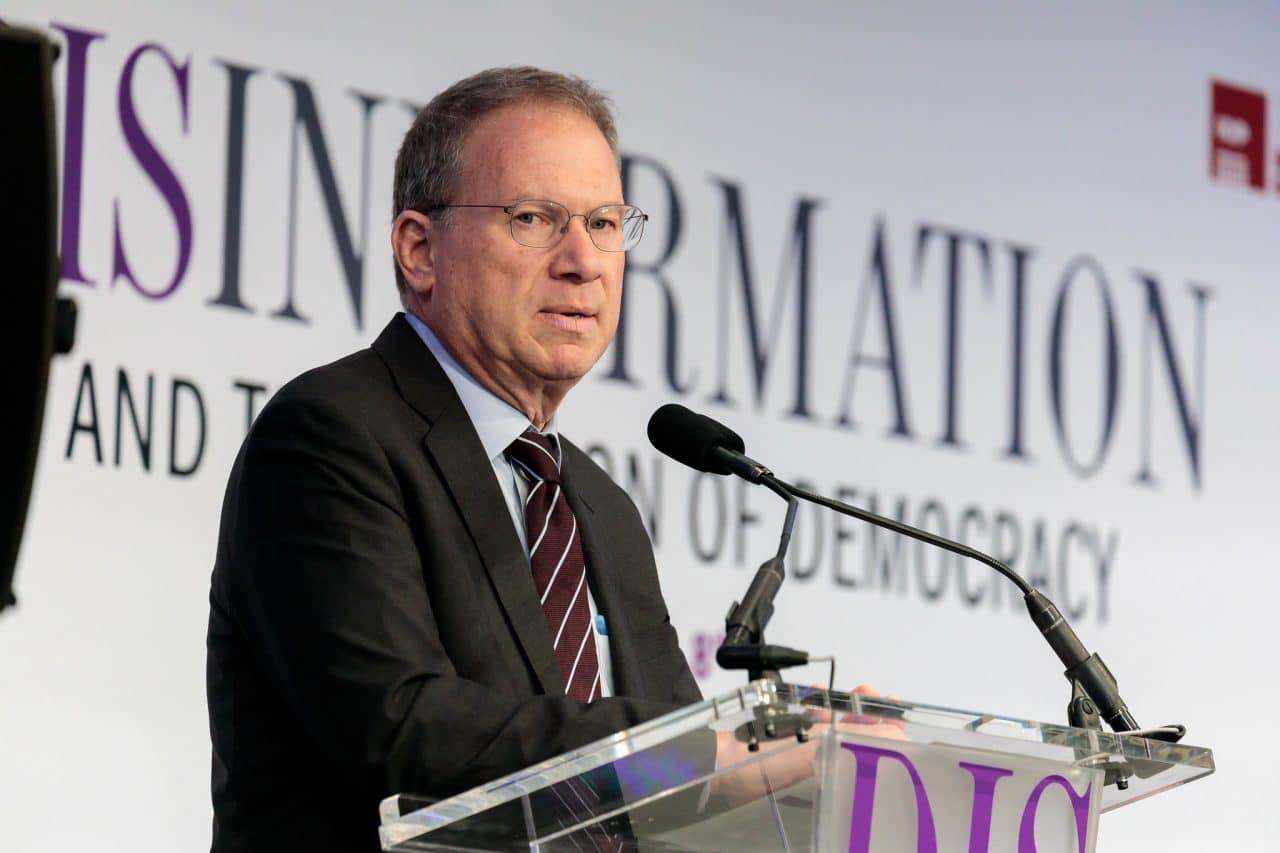
David Ignatius argued that Trump “is likely to reach an agreement with Iran and that we would all welcome it,” while also saying Trump’s personal involvement in affairs is “far more extensive than what we have seen.”
Andrea Mitchell said Trump’s approach represented “the biggest change,” adding that “a few weeks ago Trump shocked Netanyahu in the White House,” after Netanyahu traveled to Washington seeking U.S. approval of Israel’s plan to attack Iran.
Mitchell further asserted that Trump “announced Washington’s decision to negotiate directly with Iran,” and she said Iran must be “freed from sanctions” for an agreement to be possible.
Nuclear deal debate
Tabnak, citing ISNA, said Jeffrey Goldberg invited reporters and analysts including Susan Glasser of The New Yorker, David Sanger of The New York Times, Nancy Youssef of The Wall Street Journal, and Asma Khaled of NPR to examine the foreign policy of Trump’s second term, with Iran a major topic.
Nancy Youssef said, “On the surface it looks like we are moving toward the complete dismantling of Iran's nuclear program, but in practice, can such a thing be possible? Why should Iran agree to such an arrangement?”
Asma Khaled said, “In the Trump administration, many groups have formed regarding Iran,” and she added that “on Sunday a new round of talks will be held.”
The roundtable described a proposal by Wittkaf that if Iran agrees to dismantle its nuclear program and purchase enriched uranium from the United States, the United States would lift sanctions and set aside military action as an option.
NPR White House correspondent said, “In my view, we will not reach an agreement before Trump’s trip to the Middle East,” while also noting that “the White House is optimistic about these talks.”
Smaller deal, JCPOA shadow
Tabnak reported that David Sanger said Trump “is seeking a smaller deal” and that “he does not want a 150‑page Obama‑style” agreement, framing the effort as distinct from the JCPOA.
“According to ISNA, Jeffrey Goldberg, editor-in-chief of The Atlantic, on Friday on the Washington Week program invited prominent international affairs experts and American journalists, including Peter Baker, The New York Times’ White House bureau chief; Steven Hayes, editor of The Dispatch; David Ignatius, a columnist for The Washington Post; and Andrea Mitchell, NBC News’ senior foreign policy correspondent, to a roundtable to examine the foreign policy of the second Trump administration, with a focus on his diplomatic posture shown by his latest envoy to the Middle East”
Sanger said Trump’s “biggest problem” is his criticism of the JCPOA, adding that Trump argued the deal did not prevent Iran from obtaining a nuclear weapon and did not destroy Iran’s nuclear program.
Sanger also said Trump criticized the JCPOA’s “sunset clauses,” describing that the Iranian nuclear program would be limited only until 2030 and then Iran would have “full freedom of action.”
The roundtable included Goldberg’s reply that, “in the view of many, Trump’s main fear is that many will say that his deal with Iran is the same as the JCPOA.”
In the same discussion, Sanger said Wittkaf is negotiating against Zarif, and he asserted, “Zarif knows all the details of Iran’s nuclear program.”
More on Iran
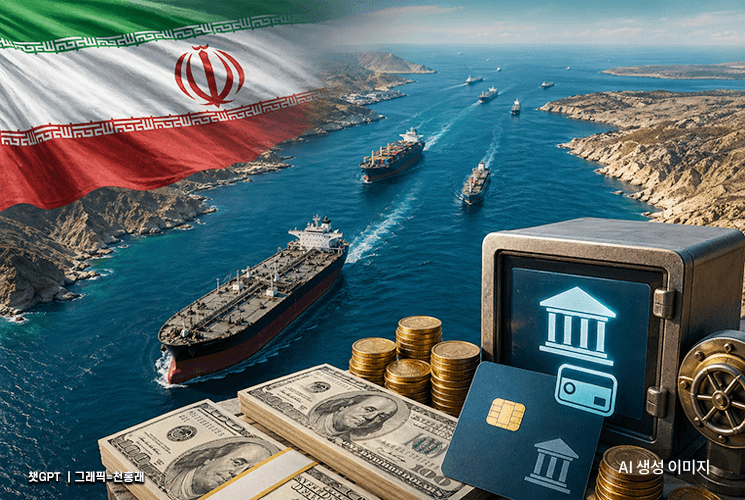
IRGC Navy Coordinates 35 Vessels Transiting Strait of Hormuz in Past 24 Hours
16 sources compared

Pakistan Mediates US-Iran Talks as Marco Rubio Says Breakthrough Is Not Yet Reached
16 sources compared
Tulsi Gabbard Resigns As Trump’s Director Of National Intelligence, Citing Husband’s Bone Cancer
49 sources compared
Marco Rubio Says Pakistan Mediates US-Iran Talks Over Strait Of Hormuz Tolls
10 sources compared