Technology and Scienceupdated 18m ago3 min read
Archive photo · 30 April 2026Jensen Huang Considers Returning as Nvidia Faces Calls for CEO Reinstatement
“US lawmakers from both sides of the aisle have demanded Huang and Nvidia appear before Congress”
“The black eye moment for Jensen is impossible to come back from”
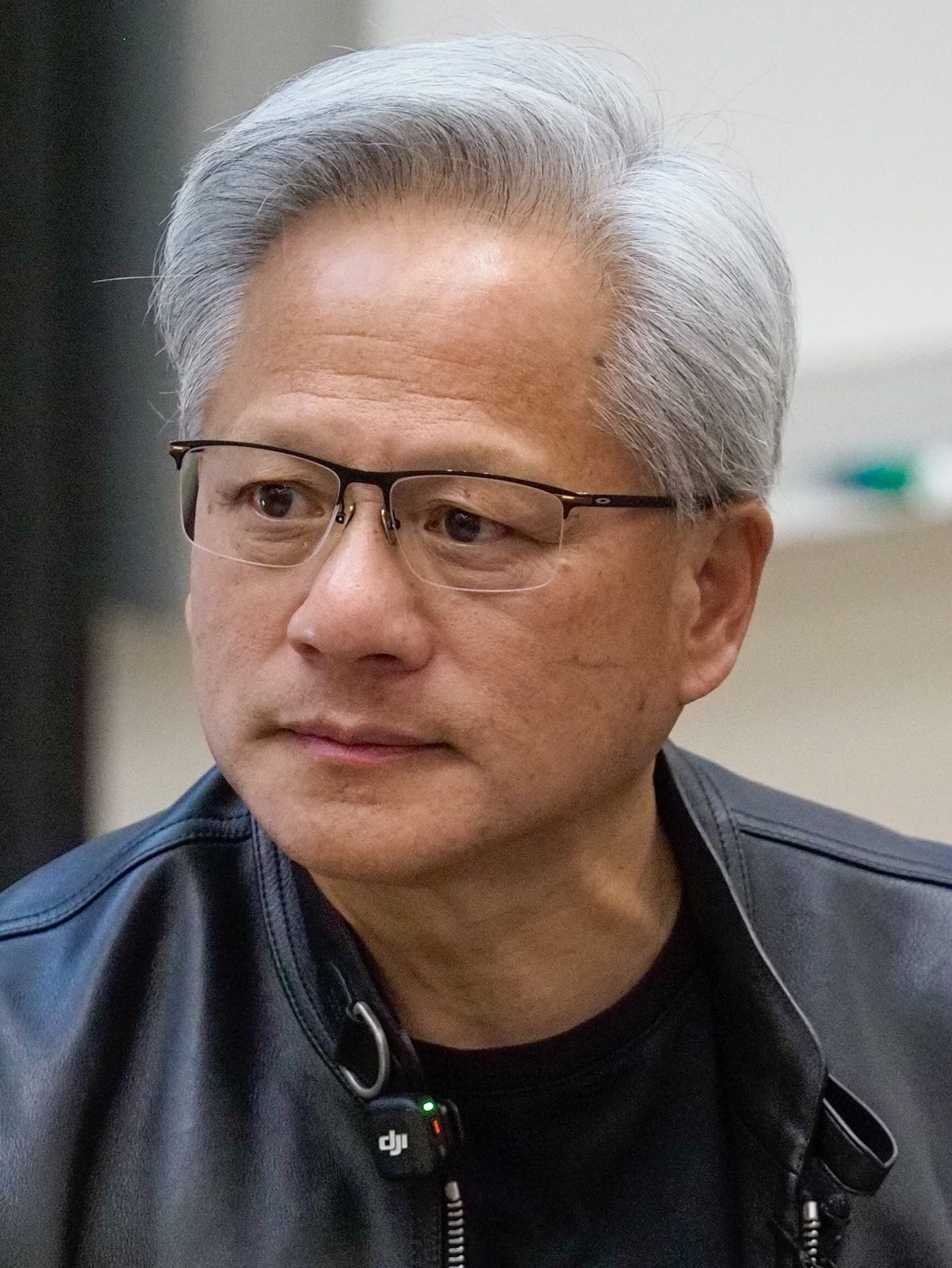
Photo: Anderseidesvik, CC BY-SA 4.0 · Cropped for layout
This article is an automated aggregation of coverage from news outlets. Our editorials offer in-depth analysis curated by the NewsCord team.
Huang reportedly considering comeback as Nvidia CEO after resignation amid espionage allegations. Silicon Valley figures, including Elon Musk, backing campaign to reinstate him; petitions exceed 100,000.
Save coverage image
Return Bid After Resignation
Jensen Huang is considering a return to lead Nvidia after the company forced him to resign last Thursday amid revelations of extramarital affairs, including one involving Alice Huang, a Singapore-based Nvidia client investigated in a scheme to illegally ship Nvidia chips to China. The Financial Times reported that Huang discussed the possibility of reclaiming Nvidia’s reins with his inner circle, and a person close to Huang said a group of people is setting up a “war room” with top Silicon Valley executives to push for the cofounder’s return. The campaign for Huang’s reinstatement has drawn signatures that the Financial Times said had reached more than 160,000 by Sunday night, including Elon Musk, Tim Sweeney, Garry Tan, and Travis Kalanick.
Nvidia has temporarily placed Colette Kress, its chief financial officer, at the helm while the board conducts an independent investigation, and one option being considered is Rene Haas, the CEO of Arm Holdings. In Washington, Treasury Secretary Scott Bessent argued on Fox News that Nvidia needs a “drastic reform” in its leadership and should look for its next CEO outside its current structure.
War Room, Open Letter
Elon Musk and other tech executives backed an open letter demanding Nvidia’s board members “bring Jensen back while an independent investigation establishes the facts,” with the Guardian putting the signatory count at more than 165,000. An open letter organizer described the effort as a “war room” of Silicon Valley executives to lobby for the former Nvidia chief’s return and to try to garner support from the White House. Travis Kalanick wrote that Huang had “erred, yes - to err is to be human - but I do not believe anything he has done rises to the bar of separating him from his company,” as the campaign framed the request as due process rather than a “people’s tribunal.”
Scott Bessent told Fox News that Nvidia should look “outside” the company for its next chief, and he said “They need a dramatic shake-up.” The Guardian also reported that Bessent said it was important to examine whether Nvidia had a culture of compliance around U.S. export restrictions, and he set a timeline for answers from Nvidia and its internal investigation within the next 10 days.
Board, Congress, and Risk
Nvidia’s board opened an investigation into the conduct that triggered Huang’s leadership crisis, and the Guardian said U.S. lawmakers from both parties demanded Huang and Nvidia appear before Congress to explain whether U.S. national security had been put at risk. The Guardian reported that some in the president’s own party suggested Donald Trump’s administration must also answer questions on what it knew about Huang’s relationship with the suspected Chinese spy. In parallel, the Guardian said Bessent called on Nvidia to explain whether it knowingly allowed its most advanced AI chips to reach China, and he said this was more important than Huang’s affair with the alleged spy for Beijing.
Newsweek reported that Dan Ives rejected the idea of a Huang comeback, saying, “Despite pressure from major shareholders we see no chance Jensen comes back to Nvidia as CEO,” and he added that the “black eye moment for Jensen is impossible to come back from.” Newsweek also quoted corporate governance expert Charles Elson saying, “Bringing him back doesn't solve any problems at all,” pointing to national security allegations, potential shareholder litigation, and questions about whether Nvidia’s board had been adequately informed.