Syria07 September, 20263 min read
Jordan Approves Natural Gas Supply to Lebanon Via Syria From Aqaba Port
This article is an automated aggregation of coverage from news outlets. Our editorials offer in-depth analysis curated by the NewsCord team.
Jordan approves supplying Lebanon with natural gas via Syria using LNG vessel at Aqaba port Agreement facilitates supply through Jordanian infrastructure and Syrian territory to boost Lebanon's electricity production

9 outlets told this the same way.
Outlets did split on Asad Al-Shaibani Meets Saddam Haftar in Benghazi Over Syrian Consulate And Missing Syrians →
Gas Route Through Syria
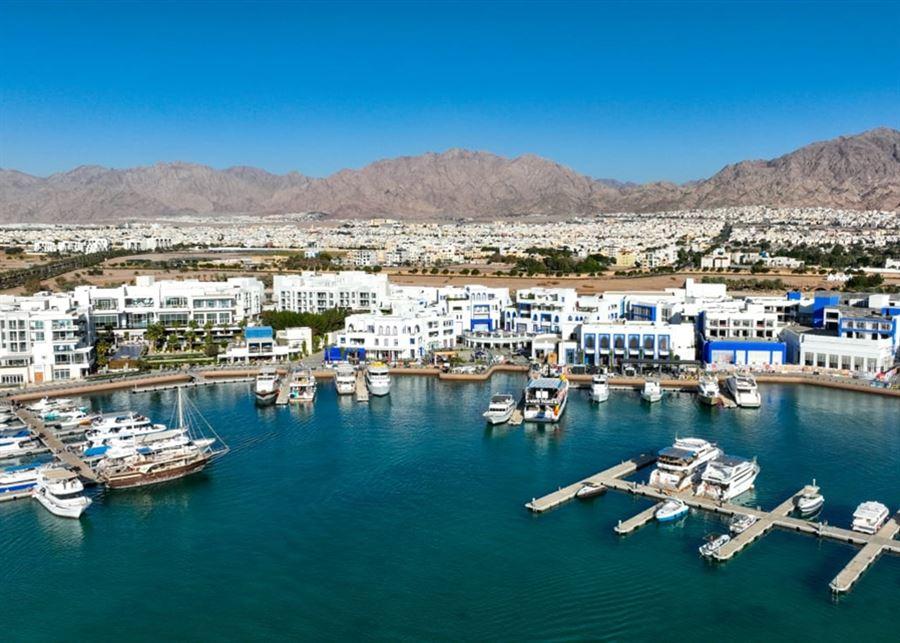
The Jordanian government decided on Sunday to approve supplying Lebanon with natural gas via a floating ship at the Arab Gas Port in the port of Aqaba, in cooperation with Syria. In an official statement, Jordan said the decision comes within the framework of achieving the goals of the national energy strategy, which aims to make Jordan an regional hub for energy exchange and green energy production. The statement added that Lebanese brothers will be supplied through Jordan importing gas, and converting it from liquid to gaseous state using the existing infrastructure in the kingdom, the offshore gas unit, and the transmission pipelines that extend from the south to the north of the kingdom, passing it to Lebanese brothers through Syria.
It continued that Jordan has been supplying Syrian brothers with gas since the beginning of this year, using the same mechanism that will be used to supply the Lebanese brothers. The Jordanian Cabinet also approved the necessary agreements to supply Lebanon with natural gas via Jordanian infrastructure and through Syria, according to Petra, with the gas planned to be used in Lebanon to provide a source of energy for electricity production.
Damascus as Transit Link
Al-Jazirah Net framed the Jordanian decision as reinforcing supplying Lebanon with natural gas via Syrian territory, presenting Syria as an essential regional link for transporting petroleum products, goods, and commodities from north to south and from Iraq to the Mediterranean and vice versa.
The article said researchers view the arrangement as also providing economic returns that Damascus needs to finance reconstruction plans, while noting that the Jordanian Cabinet approved the necessary agreements to supply Lebanon with natural gas through Jordanian infrastructure and via Syria.

Dr. Fadi Ayash, an energy researcher and economist, told Syria Now that the Jordanian decision carries strategic dimensions beyond direct commercial aspects, redefining energy geopolitics in the Levant by implementing the ‘Arab Gas Pipeline’.
Ayash described the Arab Gas Pipeline as a project to move surplus Egyptian natural gas to Jordan, Syria, and Lebanon and later to Europe, with its first phase completed in 2003 and an agreement to revive it before 2021 in a quadrilateral meeting of energy ministers from Egypt, Jordan, Syria, and Lebanon.
Academic and energy affairs advisor Dr. Ziad Arabish said Syria’s direct benefit lies in collecting transit and movement fees, noting that Damascus would earn transit fees for gas crossing its territory if clear agreements are established.
Electricity Stakes and Next Steps
The sources tie the Lebanon gas supply plan to electricity production, with i24NEWS saying the step is aimed at supporting electricity production and strengthening Jordan’s position as a regional hub for energy trade. i24NEWS described the mechanism as importing LNG and regasifying it using the floating regasification unit at Aqaba Port, then feeding it northward through the gas grid and the Arab Gas Pipeline to Syria and then Lebanon. The same i24NEWS report said operating the regional gas corridor remains contingent on the readiness of the Arab Gas Pipeline, especially in Syria and Lebanon, where parts of the infrastructure require repair and rehabilitation after years of war, damage, and theft.
It also said financing poses a major challenge, whether for rehabilitating lines or securing the cost of gas purchases amid Lebanon’s financial crisis. In parallel, Akhbar al-Yaum reported that Jordan continues to supply Syria with gas since the beginning of this year using the same mechanism, and it cited a January 2026 agreement in which the Syrian Petroleum Company signed with the Jordanian National Electric Power Company to supply Syria with about 4 million cubic meters per day of natural gas through Jordanian territory.