
Lebanon · 01 July, 2026 · 3 min read
Nawaf Salam Ends Lebanon Ban on Negotiating With Israel, Rejects Hezbollah Threats
Lebanon ends ban on negotiating with Israel; negotiations remain active on Lebanese side. Nawaf Salam vows no confrontation with Hezbollah and insists weapons stay under state control.
Who must stop hostilities and who is responsible for firing.
7 of 8 outlets skipped it: EU proposes a three-year mission after UNIFIL ends..
8outlets compared
Same story, two versions
tap a side to read it in full
Ici Beyrouth
“denounced the presence of the Islamic Revolutionary Guard Corps (IRGC) in Lebanon”Read the original ↗
Sky News Arabia
“Hezbollah is imposing a political and security reality inside Lebanon”Read the original ↗
Ici Beyrouth and L'Orient emphasise state arms monopoly; Sky adds Hezbollah threat framing.
Negotiations, disarmament, displaced
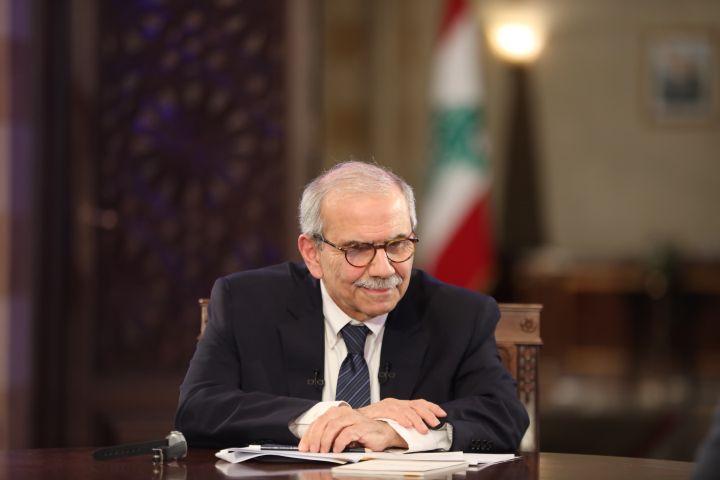
Lebanese Prime Minister Nawaf Salam reaffirmed his government’s position on negotiations with Israel, Hezbollah’s disarmament, and the management of the displaced crisis in an interview with Al Hadath on Sunday evening. Salam said Lebanon had abandoned the concept of "a ban on negotiating" with Israel and that the objective of direct negotiations is to obtain a ceasefire and the withdrawal of Israeli forces from Lebanese territory. He also denounced criticisms of the government’s handling of the displaced as aimed at diverting attention from Hezbollah’s responsibility in triggering the conflict, and he said each missile fired by Hezbollah (six launched on March 2) forced 10,000 Lebanese to move.
On arms control, Salam said Lebanon is several years behind in the disarmament process and in consolidating the state's authority, and he said the government will not reverse its arms-control decisions despite Hezbollah's threats. He further denounced the presence of the Islamic Revolutionary Guard Corps (IRGC) in Lebanon and said the implementation of the government decision to expel the IRGC is underway.
No blackmail, Taif and 1701
In a separate interview, Salam said he was "not seeking a confrontation" with Hezbollah while insisting the government would not abandon its goal of restricting the possession of arms to the state.
He said, "we will not yield to blackmail or threats of civil war," and he added that neither he nor any member of the government would give in to Hezbollah's "blackmail."
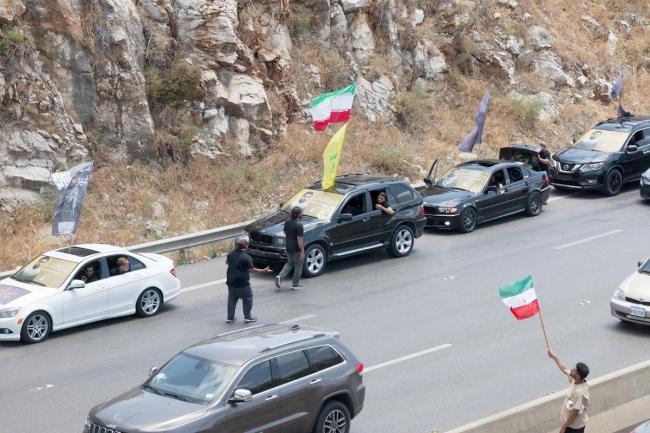
Salam urged Hezbollah to "honor the commitments it itself accepted under the Taif Agreement, U.N. Security Council Resolution 1701, the cessation of hostilities declaration and the ministerial statement," and he rejected criticism that Lebanon is responsible for enforcing the cease-fire between Hezbollah and Israel.
He also said the negotiation framework’s goal is the complete withdrawal of Israeli forces from Lebanon and the full return of south Lebanon's residents to their villages so reconstruction can begin.
Salam described the second conflict as "a war of revenge linked to [Supreme Leader Ali] Khamenei" and said the first war caused more than $7 billion in direct damage, excluding economic losses estimated at $13 billion.
Hezbollah, ceasefire, and next moves
Lebanon’s Prime Minister Nawaf Salam urged Hezbollah to "save the country and put its interests above Iran's," and to stay on a single track with the government to secure an Israeli withdrawal from southern Lebanon. Salam told Reuters: 'Hezbollah should be faster than us, or at least on the same pace, and announce its support for the negotiations we are conducting in Washington.' The negotiations between Israel and Lebanon, under American sponsorship, are set to resume on June 22, and Salam said Lebanon is calling for a permanent ceasefire as the basis for negotiations that would lead to a full Israeli withdrawal and the return of hundreds of thousands of displaced civilians.
Hezbollah rejected the ceasefire plan agreed by the Lebanese and Israeli governments in Washington talks, and Hezbollah secretary-general Naim Qassem described the Lebanese-Israeli negotiations as 'shameful' and rejected Washington's declaration as a 'roadmap to annihilate part of the Lebanese people and enslave the rest.' In parallel, Lebanon’s Health Ministry said about 3,700 people have died in Lebanon as a result of Israeli attacks since March 2, while more than 11,000 have been injured and authorities say about 1.2 million people have been displaced in Lebanon.