Joseph Aoun Says Lebanon-Israel Talks Aim To End Hostilities And Israeli Occupation
Key Takeaways
- Lebanese President Aoun says talks with Israel aim to end hostilities and Israeli occupation.
- Simon Karam to lead Lebanon's delegation.
- Talks will be held in Washington, United States.
Talks announced amid strikes
Lebanese President Joseph Aoun said Monday that planned talks with Israel aim to end hostilities and the occupation in southern Lebanon, even as Hezbollah and its supporters rejected the negotiations.
Aoun’s remarks came as Lebanon’s official National News Agency (NNA) reported an Israeli drone strike in Qaqaiyat al-Jisr in the country’s south on Monday and Israeli artillery shelling on the border town of Hula.
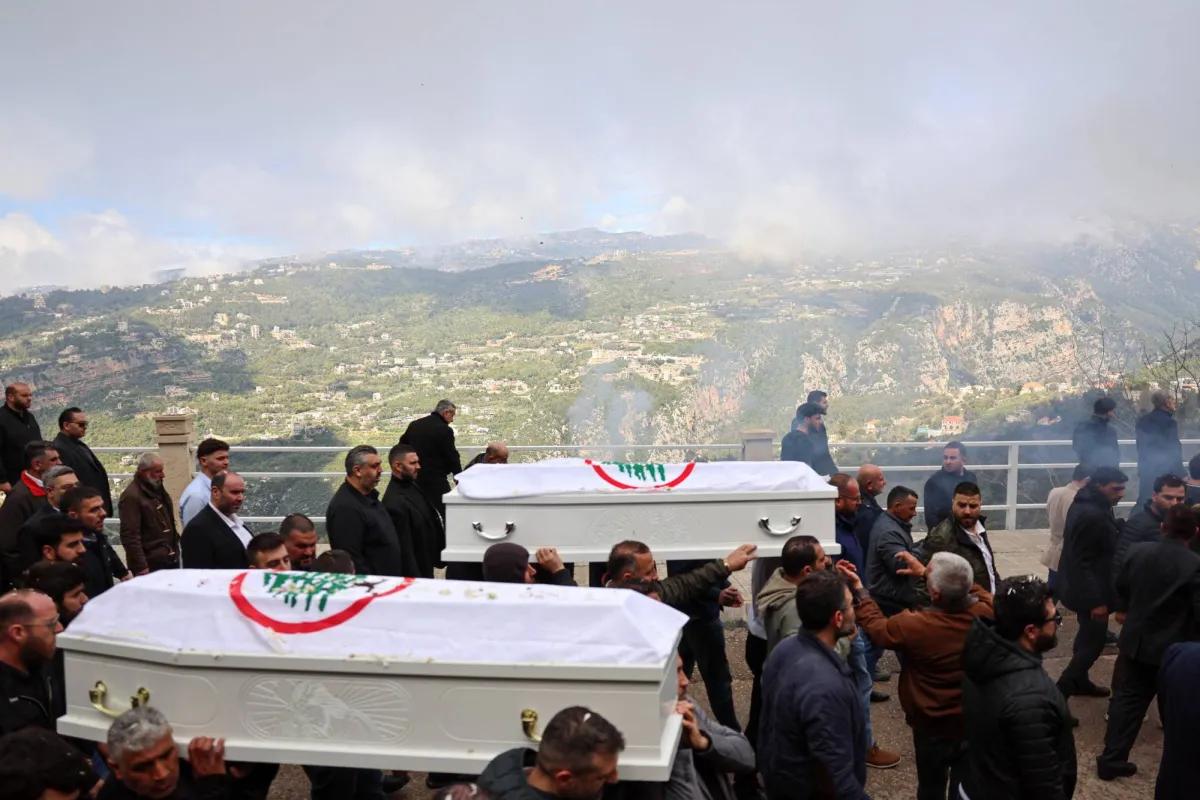
The South China Morning Post reported that Hezbollah has criticised Lebanon’s negotiations with Israel, which are set to enter a second round on Thursday.
The same report said the negotiations are intended to end hostilities and the occupation in southern Lebanon, while Hezbollah and its supporters rejected the talks.
The Iraqi News and The New Arab both echoed Aoun’s framing that the goal is to “stop hostilities” and “end the Israeli occupation of southern regions.”
In parallel, the Daily Star described Aoun’s statement that the talks aim to “end the Israeli occupation of southern regions and deploy the (Lebanese) army all the way to the internationally recognised southern borders.”
Ceasefire and negotiation timeline
The push toward talks unfolded alongside a ceasefire and a sequence of contacts described across multiple outlets.
The Iraqi News said a 10-day ceasefire pausing more than six weeks of war between Hezbollah and Israel started on Friday after being announced by US President Donald Trump.
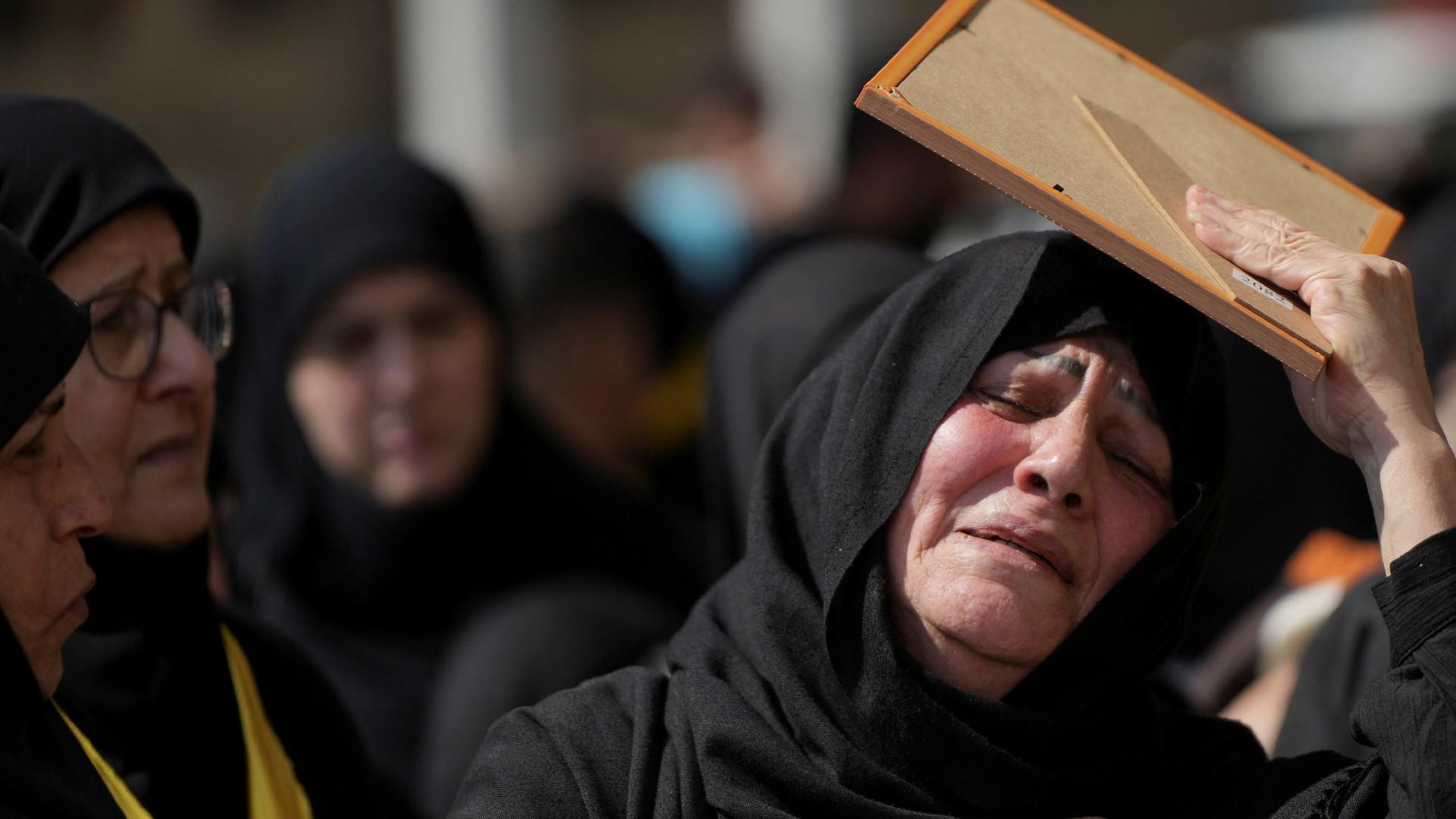
The New Arab similarly said the 10-day ceasefire “pausing more than six weeks of war between Hezbollah and Israel started on Friday after being announced by US President Donald Trump.”
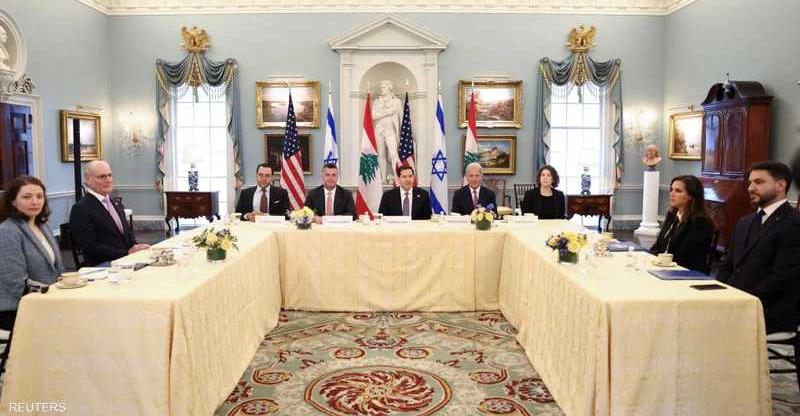
Shafaq News reported that the United States will host a second round of ambassador-level talks between Lebanon and Israel on April 23, and that Washington described the initial engagement as “productive.”
Shafaq News also said the initial meeting was held on April 14 and marked the first ambassador-level contact between Lebanon and Israel since 1993, bringing together US Secretary of State Marco Rubio, Israeli Ambassador Yechiel Leiter, Lebanese Ambassador Nada Hamadeh Moawad, and US Ambassador to Lebanon Michel Issa.
TRT World reported that Israeli and Lebanese representatives will hold talks in Washington on Thursday, and that it would mark the first talks between the two countries since a 10-day ceasefire took effect on Thursday.
Hezbollah rejection and Aoun’s delegation
Hezbollah’s position against the negotiations was presented directly through statements attributed to its lawmaker and officials, while Aoun defended the talks as serving Lebanon’s interests.
“Lebanese President Joseph Aoun said Monday that planned talks with Israel aimed to end "hostilities" and the Israeli occupation in the south, as he named ex-ambassador Simon Karam to lead a delegation”
The Iraqi News quoted Hezbollah lawmaker Hassan Fadlallah telling AFP that it was in Aoun’s and Lebanon’s “interest” to withdraw from the talks, while also saying his group wanted the ceasefire to last.
Fadlallah argued that “It is in the interest of Lebanon, the president of the republic and the government to move away from the path of direct negotiation and return to a national understanding about the best option for Lebanon,” and he added, “Perhaps through indirect negotiations, even via the United States of America, we can achieve” Lebanon’s goals.
The New Arab carried the same AFP quotes from Fadlallah, including the line that “Going into direct bilateral negotiations, alone, amid deep Lebanese divisions and internal disagreements, constitutes a threat to internal consensus.”
The Iraqi News also reported that Fadlallah said there was no direct communication with the president, while Hezbollah’s ministers remain in Lebanon’s cabinet.
In response to the political dispute, Aoun named former Lebanese ambassador to Washington Simon Karam to head the negotiations with Israel.
Backlash, graffiti, and competing views
The negotiations also triggered public backlash described through graffiti and social media reactions, alongside criticism from senior Hezbollah figures and support from other Lebanese political leadership.
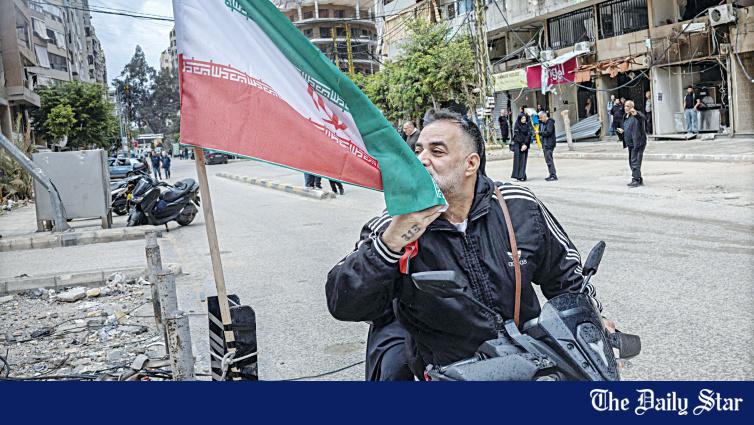
The Iraqi News reported that on the road to Beirut’s international airport, in the southern suburbs where Hezbollah holds sway, AFP images showed fresh graffiti attacking Aoun and Prime Minister Nawaf Salam on Monday after their endorsement of negotiations.

One spray-painted sign said, “Joseph is a traitor, Nawaf is a turncoat,” while another read, “Dealing with Israel is forbidden… no to normalisation.”
The Iraqi News also quoted Senior Hezbollah official Mahmud Qamati blasting Aoun on Saturday, saying “defeated, you go to the Israelis and Americans, let’s see what you will get out of it”.
In contrast, the Naharnet report said Lebanese Forces leader Samir Geagea told Sky News Arabia that Lebanon needs a lasting solution to permanently end the state of war with Israel rather than merely settling for a temporary ceasefire, calling direct negotiations a "necessity".
Geagea said, “President Aoun has to speak with the Israelis,” and added, “Negotiations are not an option, but a necessity forced upon Lebanon by Hezbollah.”
Casualties, conditions, and what’s next
The stakes of the talks were tied in the sources to the scale of the war and to conditions attached to the ceasefire and negotiations.
“Iran-backed militant group Hezbollah has criticised Lebanon’s negotiations with Israel, which are set to enter a second round on Thursday Lebanese President Joseph Aoun said on Monday that planned talks with Israel aim to end hostilities and the occupation in southern Lebanon, even as Hezbollah and its supporters rejected the negotiations”
Shafaq News said that since hostilities between Israel and Hezbollah began on March 2, Israeli strikes have killed 2,294 people and injured 7,544 others, including 177 children and 274 women among the dead, and 704 children and 1,223 women among the wounded, according to Lebanon’s Health Ministry.
Shafaq News also reported that despite the ceasefire, Lebanese media and Shafaq News sources reported continued Israeli activity in southern Lebanon, including detonations in al-Qussair, Deir Seryan, al-Taybeh, and Shamaa, as well as a drone strike near the Litani River close to Qaquaiyet al-Jisr.
Under the terms described by Shafaq News, Beirut is required to prevent attacks against Israel and ensure that its official security forces are the sole authority responsible for security, while Israel retains the right to act in “self-defense.”
The Daily Star added that the talks came after Israel told residents of south Lebanon to stay out of a belt of territory running the length of the border and not to approach the area of the Litani River.
Aoun’s negotiation position was framed as a choice between continuing war and pursuing talks, with the Iraqi News quoting him saying “Lebanon is facing two options” and “I have chosen negotiations, and I am full of hope that we will be able to save Lebanon.”
More on Lebanon
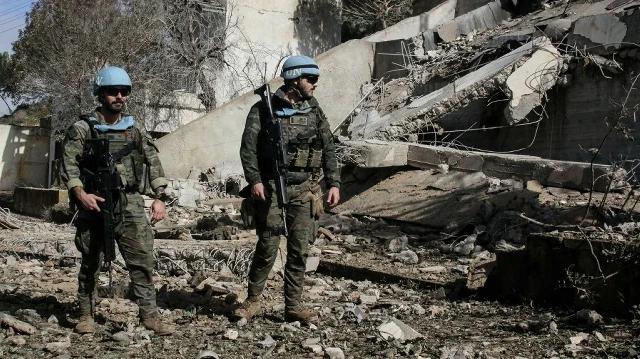
Israeli Drone Strike Kills One, Wounds Two in Lebanon’s Bekaa During Ceasefire
13 sources compared
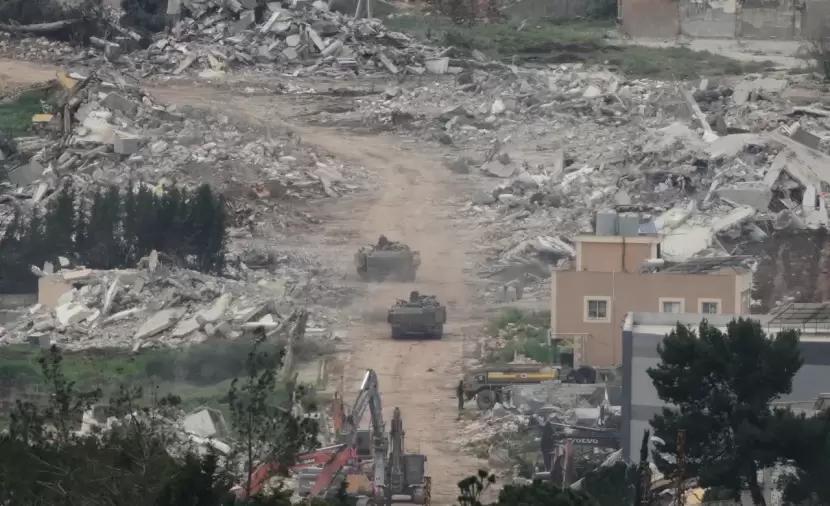
Israeli Forces Launch New Demolition Operations in Shamaa After April 17 Cease-Fire
10 sources compared
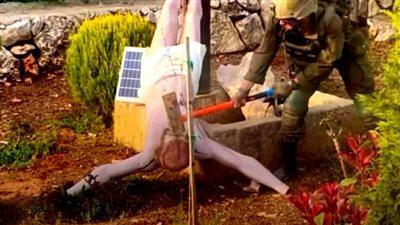
Israel Jails Soldiers After Sledgehammer Vandalism of Jesus Statue in Debl, Lebanon
29 sources compared
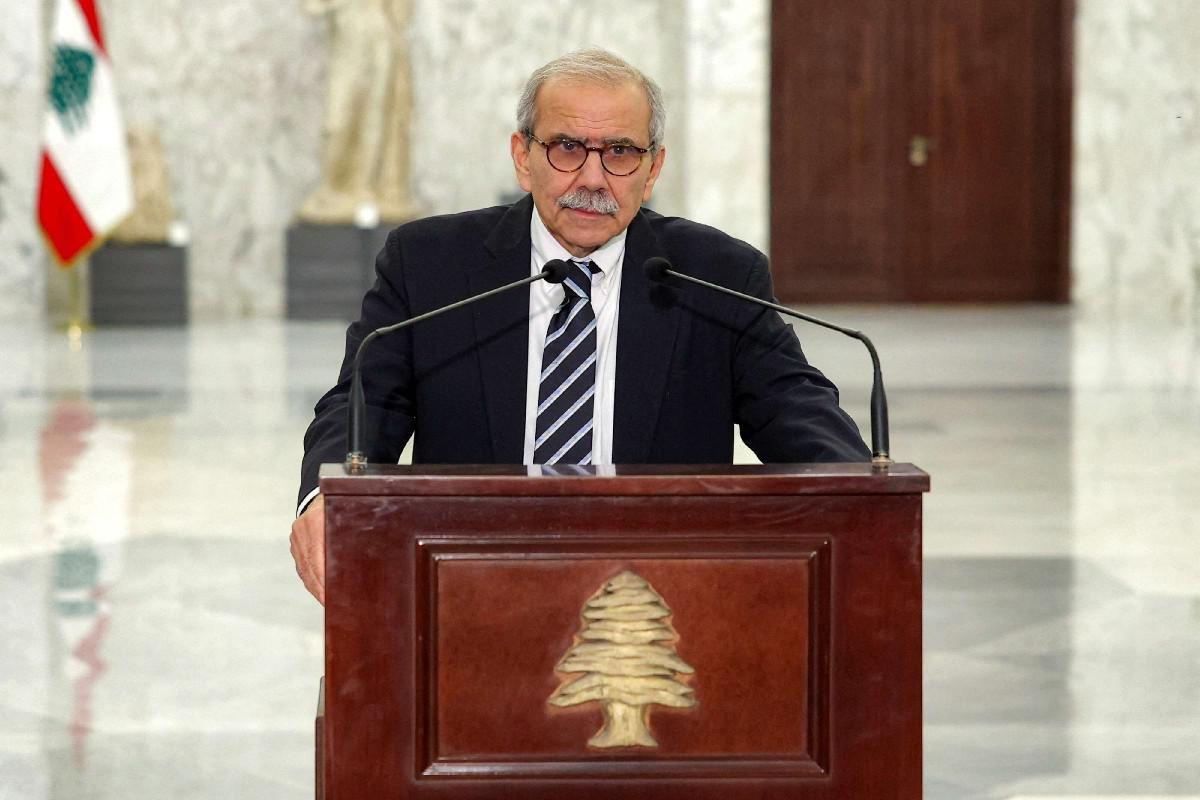
Macron Meets Nawaf Salam at Élysée Palace to Push Lebanon Ceasefire and Territorial Integrity
36 sources compared