Lebanon08 October, 20262 min read
Joseph Aoun Says Lebanon Cannot Abandon Negotiations With Israel Amid Netanyahu Escalation Fears
This article is an automated aggregation of coverage from news outlets. Our editorials offer in-depth analysis curated by the NewsCord team.
Lebanon cannot abandon the negotiation track with Israel, Aoun says. Expect post-election phase in Israel and the United States before shifts.
Negotiations, not escalation
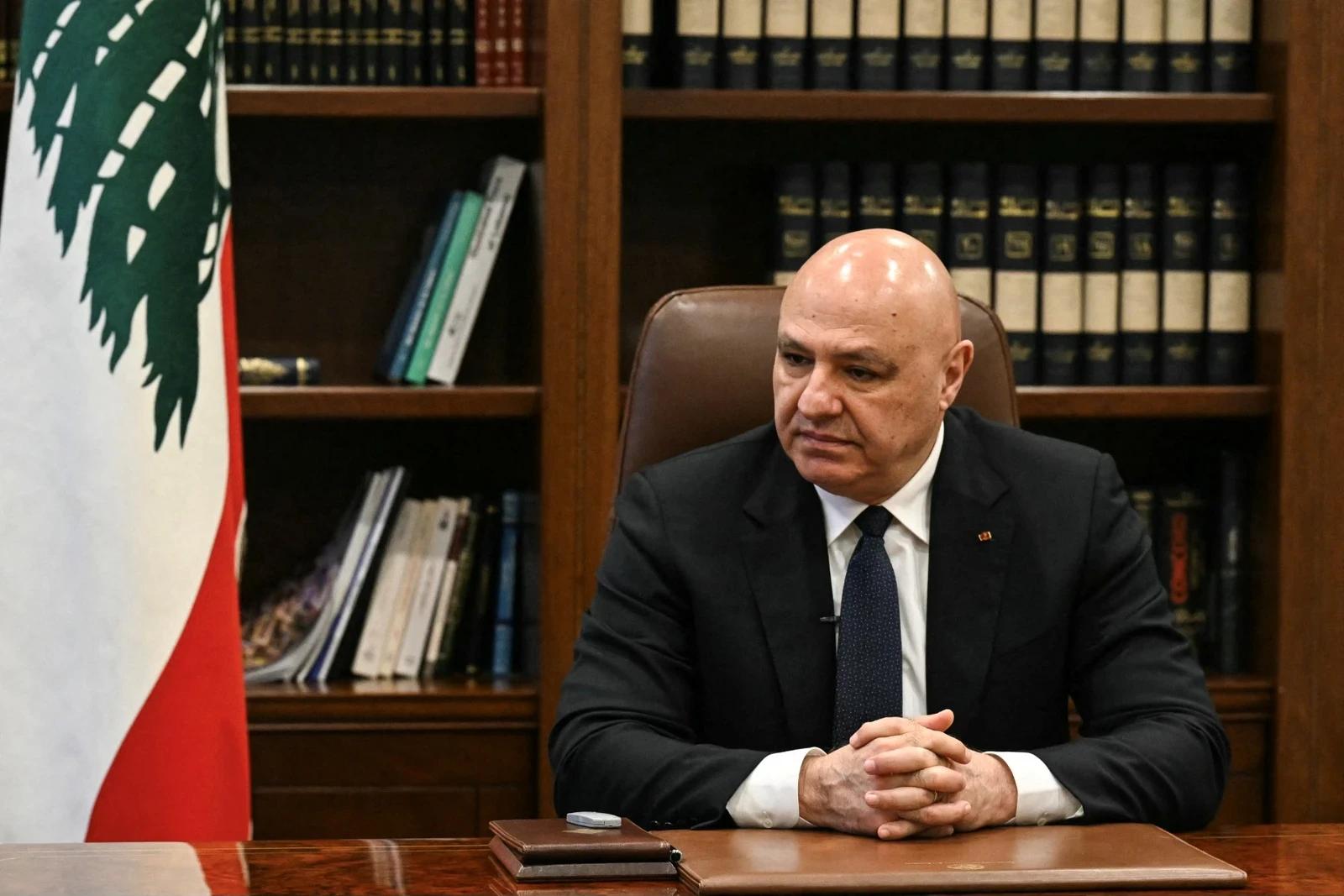
President Joseph Aoun said Lebanon “cannot abandon the negotiation track” even as he argued that “current circumstances do not allow for expectations of a major shift in Israel's stance.” Aoun warned that Lebanon’s priority was “to prevent Israeli Prime Minister Benjamin Netanyahu from resorting to a military escalation in Lebanon to serve his electoral agenda.” Aoun also said Lebanon would have to wait for “the post-election phase in both Israel and the United States,” adding that “No pressure from the U.S. administration on Israel is expected at this stage.” The orfonline.org analysis described the US-led trilateral framework to end the Israel-Lebanon conflict as “remains stalled,” citing Hezbollah's disarmament and Israel's withdrawal as the sticking points.
The orfonline.org analysis added that “The next round of talks, scheduled in Rome, has been postponed to October,” while Aoun told a visitor to the Presidential Palace that there were “no new talks with Israel at the present time.”

State authority in the south
President Joseph Aoun told U.S. Senator James Lankford that the continuation of Israeli aggression in southern villages and towns violated the framework agreement signed under U.S. sponsorship.
Aoun said, “We are applying pressure in every direction to stop Israel from destroying homes and civilian properties in the occupied villages and towns, and to complete the return of captives,” while he added that “The people of the South are eager for the state to exert its authority and deploy the army up to the recognized borders.” Aoun also said the Lebanese Army was “carrying out its assigned tasks in the South as across all of Lebanon,” and he called for support through “the provision of essential equipment and vehicles.” The orfonline.org analysis described a plan that created two ‘pilot zones’ south and north of the Litani River, with the IDF handing them over to the Lebanese Armed Forces until the LAF could disarm each pilot zone.

orfonline.org said the framework also left Israel maintaining a security zone in southern Lebanon to prevent Hezbollah's attacks on Israel, while it described the overall objectives as “remain unfulfilled.”
Border smuggling and risks
Lebanon’s struggle to seal its Syrian border returned to the headlines as human smuggling from Syria into Lebanon resurfaced in Lebanese and Arab media, adding “another major challenge for the Lebanese army.” The report said Lebanese lawmaker Jimmy Jabbour warned that “Terrorist elements, he warned, could enter the country under cover, including by claiming they were simply looking for work.” The report also described how Lebanese media said smugglers often moved people along mountain roads using off-road vehicles, medium-sized buses or small trucks to bypass security checkpoints.
The report cited Al-Jadeed television footage from the northern Akkar region showing people crossing mountainous terrain, and it quoted the channel as saying “Dozens of people cross the border almost every day.” The report added that Lebanese media reported an accident near the village of Ghalboun in Mount Lebanon, where “14 Syrian nationals were aboard,” with “One was killed and the others were injured.”