USAupdated 24m ago2 min read
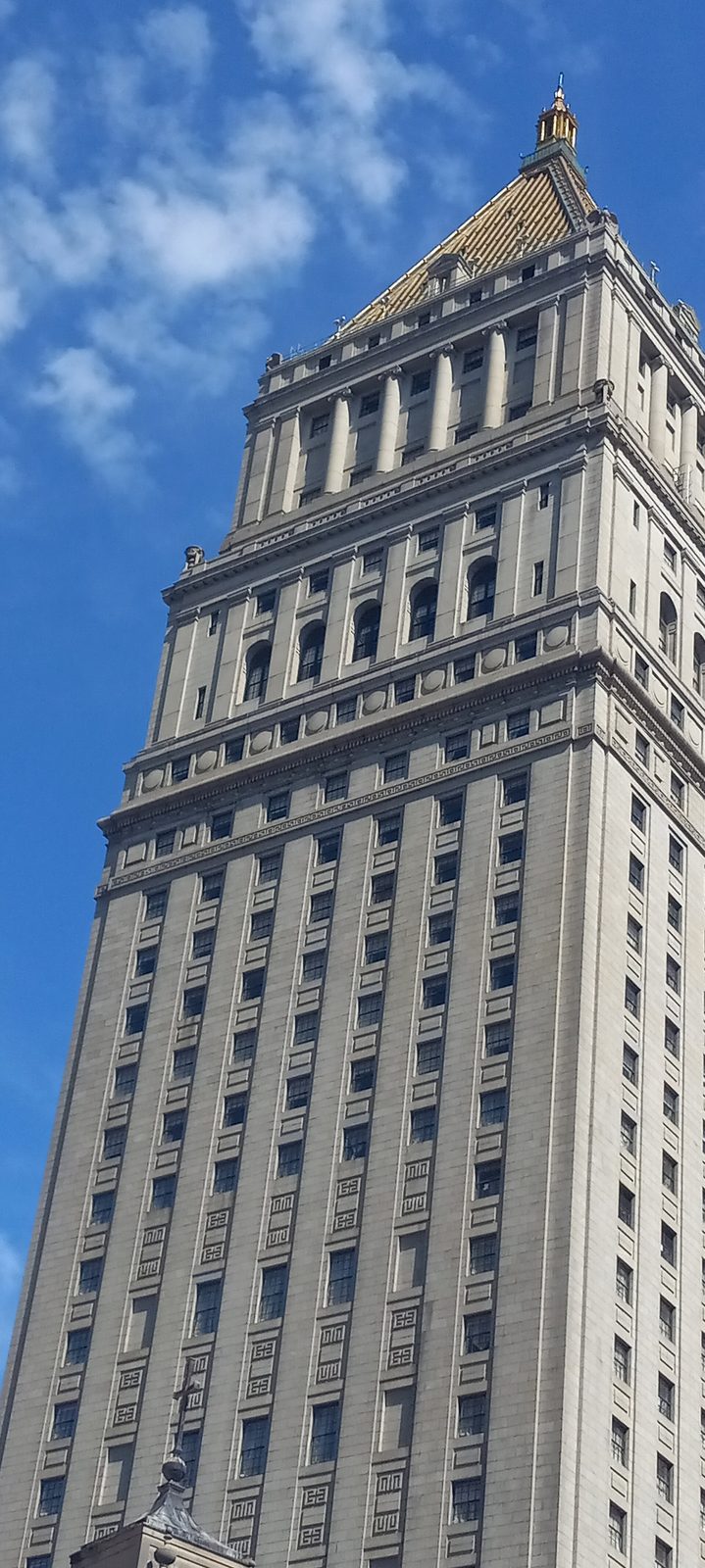
Archive photo · 21 September 2024Judge Jesse M. Furman Permanently Bars Trump Administration From Enforcing ICC Speech Sanctions
3 Western Alternative1 Other1 West AsianThis article is an automated aggregation of coverage from news outlets. Our editorials offer in-depth analysis curated by the NewsCord team.
Federal judge Jesse Furman permanently bars enforcement of ICC sanction penalties nationwide. Ruling protects Americans sharing evidence with the ICC and working with sanctioned UN expert.
Save coverage image
Judge blocks ICC sanctions
A US federal judge permanently barred the Trump administration from enforcing International Criminal Court sanctions restrictions against anyone providing or receiving speech-based advocacy services nationwide, according to advocacy groups announcing the ruling on Tuesday.
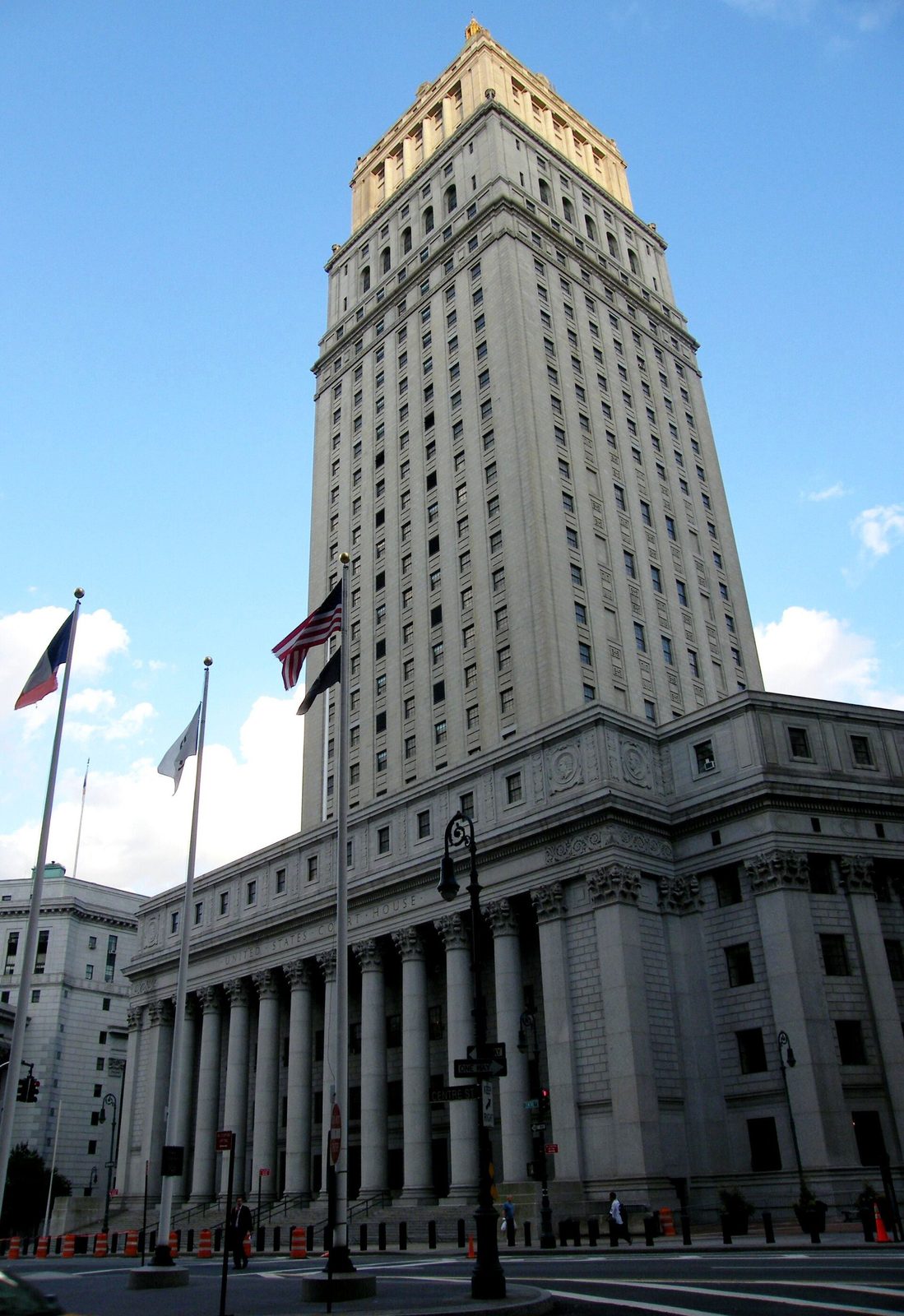
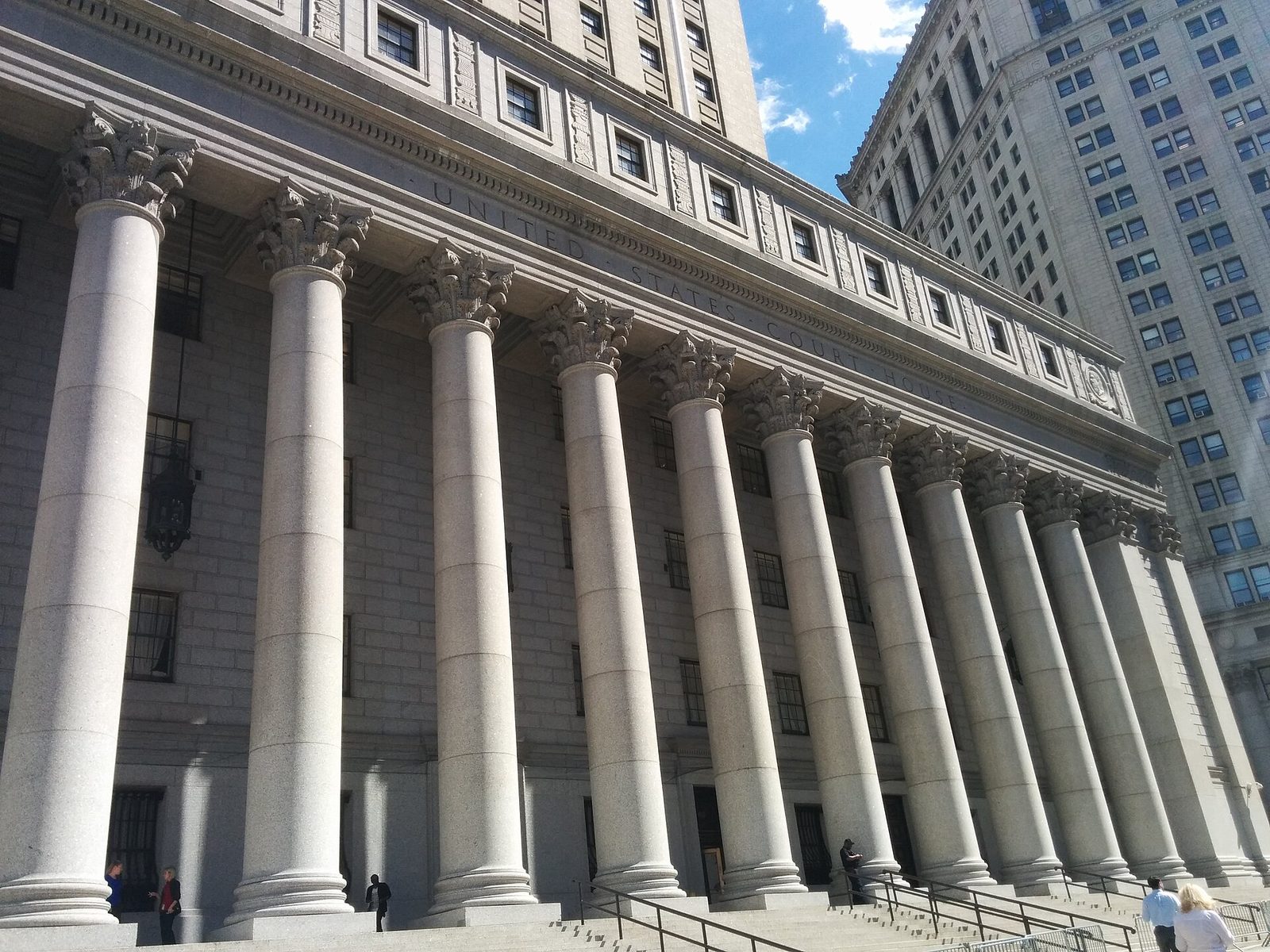
US District Judge Jesse M. Furman in Manhattan ruled that the “services” prohibition in Trump’s February 2025 Executive Order 14203 is a content-based restriction on speech that violates the First Amendment of the US Constitution.
Furman expanded his October preliminary injunction into a permanent, universal order declaring that the speech restriction “may not be enforced against anyone.”
The ruling shields Americans sharing evidence or working with sanctioned UN expert and Palestinian rights groups, while it excludes Trump personally and leaves asset freezes and bans on financial services, funds or goods intact.
Plaintiffs and legal arguments
Omar Shakir, executive director of Democracy for the Arab World Now (DAWN), said the decision “dismantles a core part of Trump’s ICC draconian sanctions regime,” and he framed the ruling as affirming a constitutional right to advocate for justice on Palestine without fear of reprisal.
Joseph Pace, an attorney for DAWN and TAAG, argued that the court “universally bars the Trump Administration from using the sanctions to penalize anyone, anywhere in the country,” for exercising First Amendment rights.
The court rejected the government’s argument that the US Supreme Court’s 2025 decision in Trump v. CASA barred nationwide relief, and Furman expanded the injunction beyond the original plaintiffs.
The Intercept reported that a White House spokesperson did not immediately respond to a request for comment, while attorneys for Trump argued in a legal filing that the executive order did not represent a restriction on free speech.
What the ruling changes
The permanent injunction extended protections to all Americans, and it barred enforcement of the services prohibition with respect to speech-based services under the sanctions regime.
The ruling also blocked punishments for sharing information with three sanctioned Palestinian human rights groups and a prominent United Nations official, including Francesca Albanese, the UN special rapporteur on the situation of human rights in the Palestinian Territory occupied since 1967.
TAAG said it would resume ICC work ahead of a Dec. 1 press conference in The Hague, and DAWN said it would hold that press conference on December 1, 2026 to announce its next steps as ICC member states meet there under a US ultimatum to rein in the court.
The Intercept reported that the permanent injunction provided “immediate clearance” for Taxpayer Alliance Against Genocide and others to resume work with the ICC, Albanese, and the three Palestinian organizations, after Furman found the services provision unconstitutional under the First Amendment.