USA31 January, 20262 min read
Judge Kate Menendez Allows Trump Administration’s 3,000‑Agent ICE and CBP Surge to Continue in Minnesota
This article is an automated aggregation of coverage from news outlets. Our editorials offer in-depth analysis curated by the NewsCord team.
Judge Katherine Menendez denied Minnesota's emergency request to stop the federal immigration operation. Federal government deployed thousands of ICE and CBP agents to Minnesota.

8 outlets told this the same way.
Outlets did split on White House Officials Question How Long Katie Zacharia Will Stay Press Secretary After First Briefing →
Judge allows immigration deployments
A federal judge denied Minnesota's emergency request to halt the Trump administration's large federal immigration enforcement operation known as "Operation Metro Surge", allowing the deployments to continue while the broader lawsuit proceeds.
“A federal judge refused Minnesota’s request to block ‘Operation Metro Surge,’ but did not dismiss the underlying lawsuit.”
Multiple outlets reported that U.S. District Judge Menendez refused the immediate injunction.
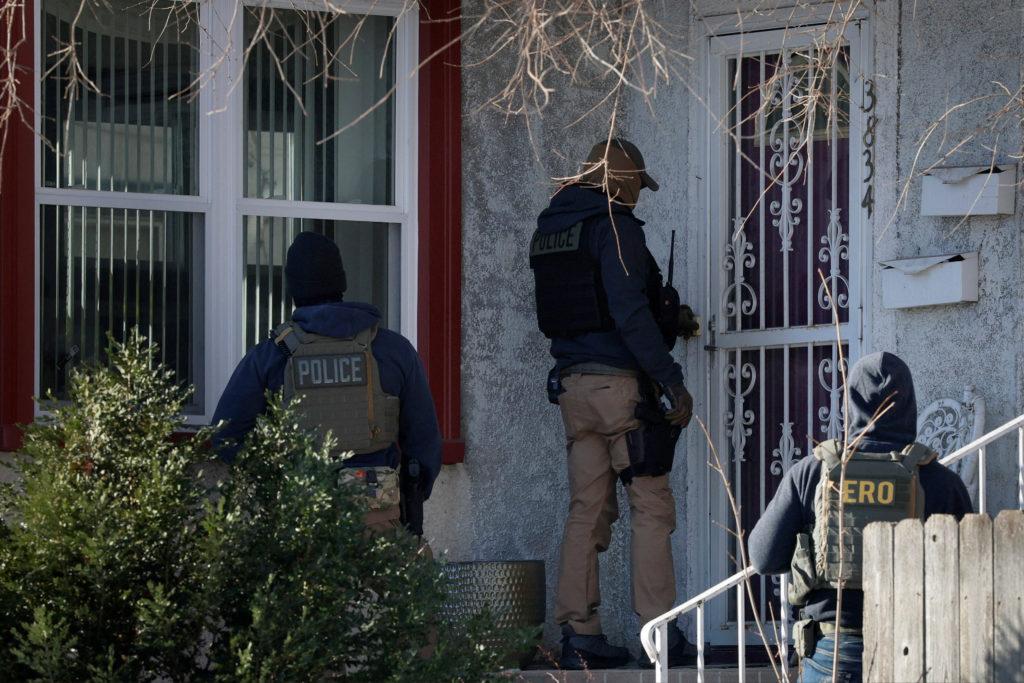
Sources described the operation as roughly 3,000 agents in several reports and as more than 4,000 in another, and plaintiffs said the deployments began in December.
The judge's decision was presented as a temporary legal outcome that does not end the underlying case and leaves open further judicial review.
Injunction denied by court
Judge Menendez explained she would not grant the requested preliminary injunction because Minnesota had not met the high legal bar under the Tenth Amendment for emergency relief and because enjoining the entire operation could significantly interfere with federal immigration enforcement.
At the same time, the judge repeatedly acknowledged the plaintiffs' showing of serious local harms and said she was not deciding the on-the-ground legality of individual agent actions in the immediate ruling.
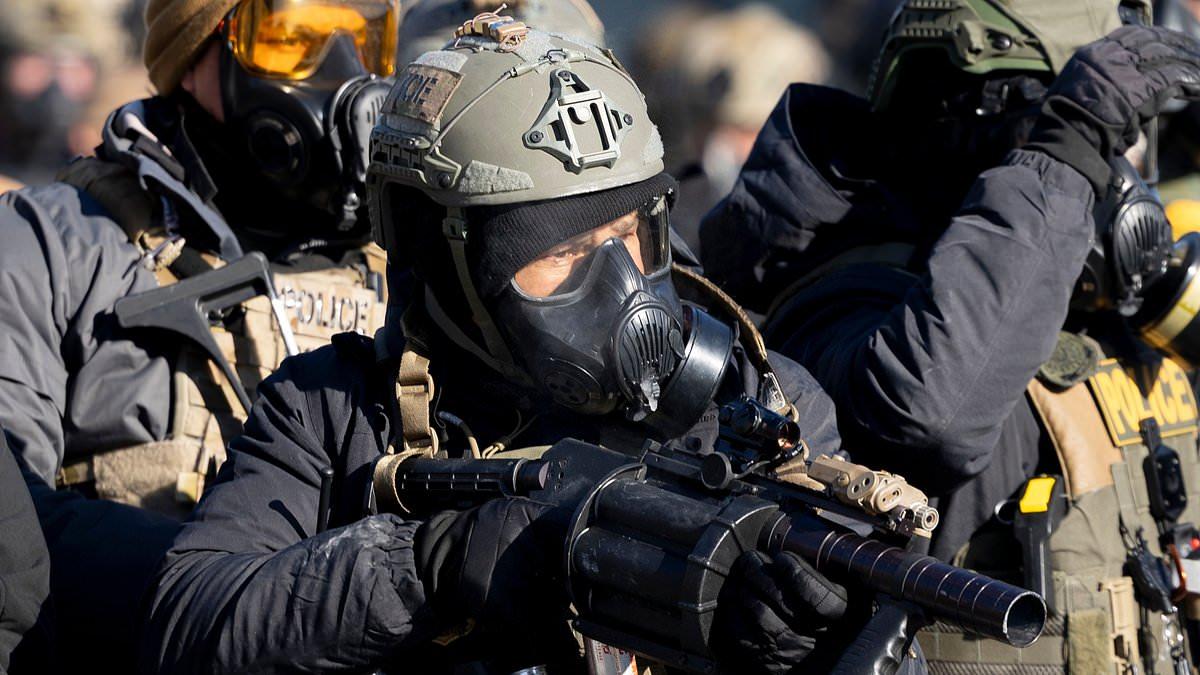
Minnesota officials' harm claims
Minnesota officials — including Attorney General Keith Ellison and the cities of Minneapolis and St. Paul — argued the surge has caused tangible community harms.
“State and city officials have said the influx has created a crisis, pointing to two recent fatal shootings by federal agents, including that of Renée Good.”
They allege armed agents engaged in racial profiling and excessive force and cite recent fatal shootings of local residents.
Officials also say the deployments pressured sanctuary policies and strained schools, businesses and emergency services.
Plaintiffs named specific fatal encounters, including Alex Pretti and a person reported variously as Renée/Renee Good or Goodby, and described widespread fear, school absences and economic disruption.
Federal ruling and oversight
Federal officials and the Justice Department framed the ruling as a vindication of federal authority to enforce immigration laws. Administration and DOJ statements argued the operation targeted individuals with serious criminal histories and warned that blocking the surge would hamper federal enforcement, and DOJ allies such as Pam Bondi publicly praised the decision. At the same time, outlets reported that judges and plaintiffs pressed federal counsel about possible political pressure, with NTD noting questions over an outside letter from Pam Bondi seeking policy changes and underscoring contested motives and oversight concerns.
Legal and political implications
The denial of emergency relief leaves the legal and political contest unresolved. It highlights several open questions about the precise scope of the deployments. It also raises whether evidence of systemic misconduct will be proven in court.
“There are economic consequences as well: employers in construction, agriculture and service sectors cite labor disruptions, and local governments report increased social-service needs.”
Another question is how local services and labor markets will be affected long-term. Analysts told some outlets the case demonstrates limits on judicial power to halt federal immigration enforcement. They added that future litigation could shape practices if systemic misconduct is established, creating a mixed and evolving legal landscape reflected in coverage.
