China16 October, 20253 min read
Keir Starmer Publishes Evidence After UK Government Collapses China Spy Trial Amid Cover-Up Accusations
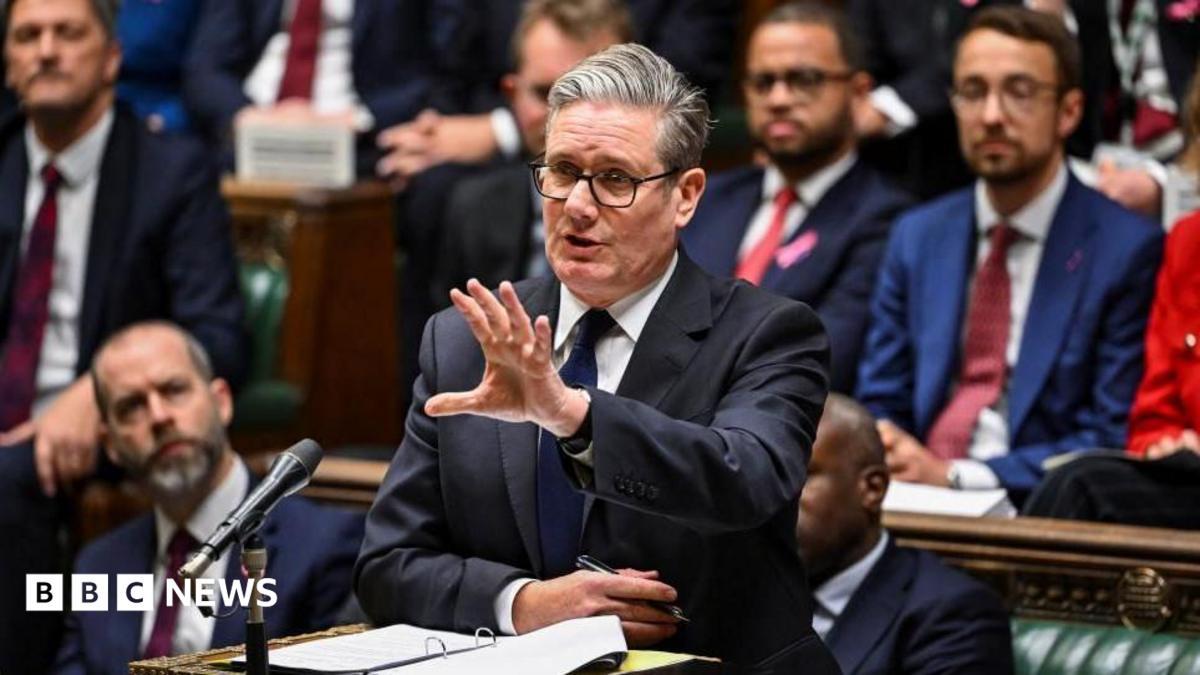
Charges against Christopher Cash and Christopher Berry were dropped due to insufficient evidence China was a national security threat. Prime Minister Keir Starmer published witness statements from deputy national security adviser Matthew Collins to increase transparency.
33 outlets told this the same way.
UK Espionage Case Collapse
The UK’s high-profile espionage case against Christopher Cash and Christopher Berry collapsed after prosecutors said they lacked proof that, at the time of the alleged offenses (2021–2023), China legally constituted a national security “enemy.” In response to the political firestorm, Prime Minister Keir Starmer published government witness statements to show why the Crown Prosecution Service (CPS) could not proceed and to counter allegations of a cover-up.
“Parkinson noted the evidence did not legally classify China as an ‘enemy’ under the Official Secrets Act, a key factor in the trial’s failure.”
The UK director of public prosecutions, Stephen Parkinson, noted the evidence did not legally classify China as an “enemy” under the Official Secrets Act, aligning with CPS explanations that there was “insufficient evidence” China posed a national security threat during the relevant period under the previous Conservative government. Starmer voiced “deep disappointment” over the collapse and sought to demonstrate transparency by releasing deputy national security adviser Matthew Collins’s statements outlining extensive Chinese espionage activity and economic-security risks, while critics accused him of being too soft on Beijing.

UK Security Concerns on China
Starmer published three witness statements by deputy national security adviser Matthew Collins, which describe large scale espionage. The statements call China the biggest state-based threat to the UK’s economic security. They articulate a policy to cooperate where possible, compete where necessary, and challenge where required.
The first and most detailed Collins statement was submitted under Rishi Sunak’s Conservative government. Two later statements were filed after Labour took office and reflected current policy language. Meanwhile, prosecutors and government officials sparred over disclosure of the statements.

The CPS opposed releasing the statement outside court and said publication was a government decision. No 10 insisted that transparency was needed to dispel suspicions of interference.
Political Reactions to China Inquiry
The political fallout has been fierce. Kemi Badenoch alleged a “cover-up,” while Labour and the CPS stress prosecutorial independence. Downing Street defended non-intervention as the CPS’s domain and called suggestions of prime ministerial interference “absurd.”
“Conservative leader Kemi Badenoch accused Starmer of a ‘cover-up.’”
MPs will now open a formal inquiry, with polls showing public concern about China’s intentions. Alongside the inquiry push, headlines featured claims from Dominic Cummings about Chinese infiltration and cross-party calls for more disclosure. Opponents argue Starmer knew the trial would fail and didn’t act.
Allegations and Intelligence Concerns
Substantive allegations cut both ways. Sky News reports Collins’s statements include leaks of Conservative Party information to a Chinese intelligence handler known as 'Alex.' Multiple outlets say documents alleged one accused man passed information about who was briefing Rishi Sunak on China.
Other reporting casts doubt on the evidence’s strength, noting much of it was public and that legal thresholds shifted. MI5’s chief was frustrated by the collapse, underscoring the tension between intelligence concerns and courtroom standards.
UK-China Relations Debate
The row lands amid a contested China strategy. Several sources say Collins’s statements depict a major espionage and economic-security threat while affirming a desire to keep ties stable. Asian and local outlets stress Starmer’s bid to attract investment and the UK’s consideration of a new Chinese embassy in London.
“Starmer, who aims to improve UK-China relations and attract Chinese investment, denied accusations that his government interfered to protect ties with Beijing.”
The BBC highlights ongoing diplomatic visits and questions whether a tougher stance is now inevitable. This dual-track—cooperate, compete, challenge—has fueled partisan arguments over whether the government was too cautious or appropriately balancing security with economic and diplomatic realities.
