Britain24 September, 20263 min read
Kemi Badenoch Proposes 30% Universal Credit Cut With Back To Work Card
This article is an automated aggregation of coverage from news outlets. Our editorials offer in-depth analysis curated by the NewsCord team.
Long-term unemployed over six months face a 30% UC cut. UC payments could be replaced with pre-loaded cards.
8 outlets told this the same way.
BBC was read line by line by the Watchdog: 2.8. See the score →
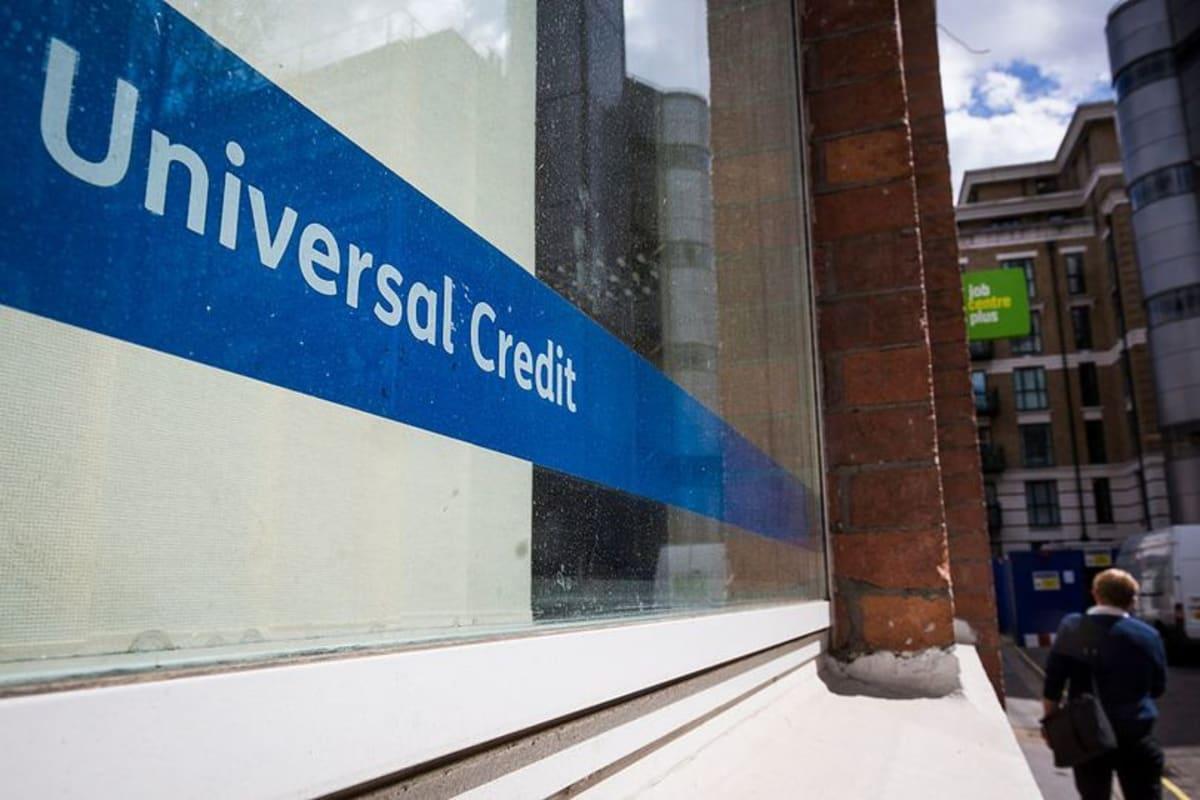
Universal Credit card curbs
Kemi Badenoch set out Conservative plans to cut Universal Credit for some long-term jobless claimants, with the party proposing that anyone unemployed for more than six months would see their Universal Credit cut by 30% if they had not previously paid enough into the system. The Conservatives said the reduced rate would be paid onto a "Back to Work" card that would not allow cash withdrawals or spending on alcohol, cigarettes and gambling, while the party said anyone fit to work would get six months on full benefits to find a job. Labour branded the scheme "unworkable" and a Labour Party spokesperson said, "The Conservatives had 14 years to fix our welfare system but they completely failed to make meaningful reforms."
The Conservatives estimated the changes would move about 350,000 claimants onto the lower rate of Universal Credit, saving around £538m a year, and the party said the reduced subsistence allowance would be loaded onto pre-paid card. Shadow welfare secretary Helen Whately said the plan would be "a version" of the pre-paid Aspen card issued to asylum seekers living in government-funded accommodation, and she said those cards cannot be used to make contactless, telephone or internet payments.
Badenoch defends 'tough love'
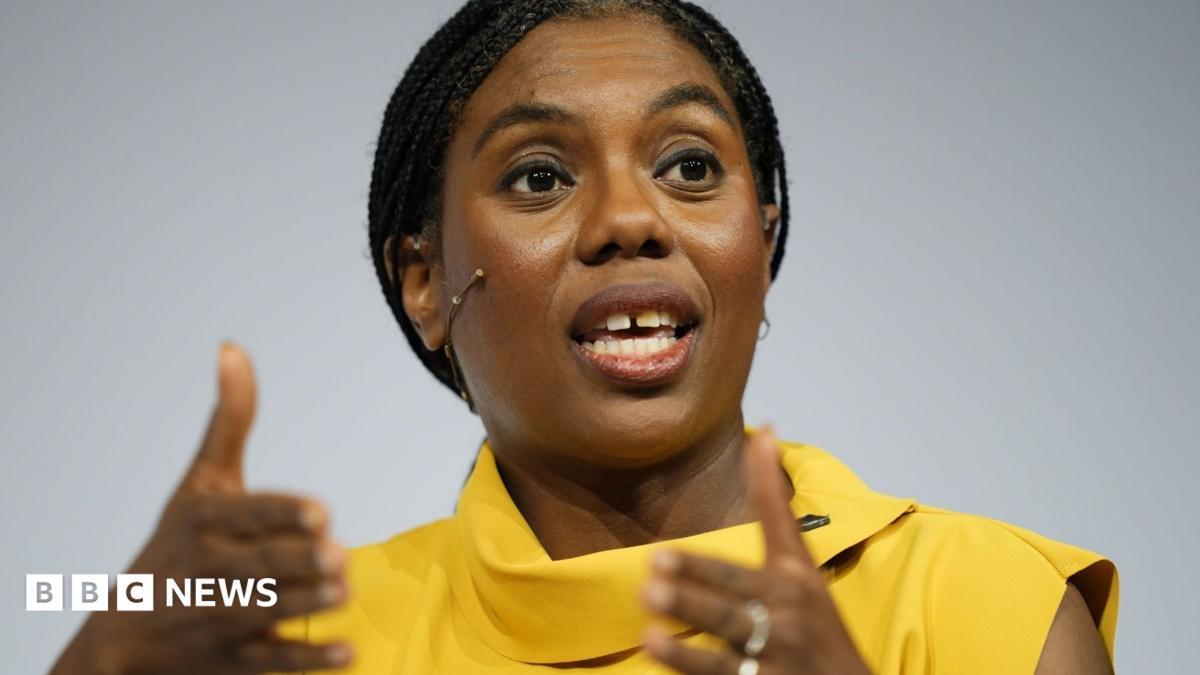
Kemi Badenoch defended the proposals as tough on those she said exploit the system, telling GB News, "But it's not their money, it's taxpayers' money."
Badenoch also argued, "Helping people into work is not punishment. The best welfare is a well-paid job," and she said the current system was unfair to workers, taxpayers and those who truly need support.
Helen Barnard, director of policy and research at the anti-poverty charity Trussell, said the proposals were "deeply misguided" and warned that Universal Credit already falls short of what people need to afford essentials like food and heating.
Robert Jenrick, Reform UK's Treasury spokesman, said the Tory plan would not put a dent in the benefit bill, arguing, "This welfare plan is so weak the Lib Dems could have authored it."
The Conservatives said the policy would protect people with a strong employment record by allowing a 58-year-old who had worked since leaving school at 18 to keep the full allowance up to state pension age, while the party said sick, disabled and in-work claimants would be exempt.
Who pays, who is exempt
The Conservatives said anyone claiming Universal Credit when out of work would get six months of full benefits to find a job, and they said every two years a claimant has previously worked would buy an extra year on the full rate of Universal Credit. The party said those who have not contributed enough would drop to a new "subsistence allowance", worth 70% of the full rate, and it said the reduced subsistence allowance would be loaded onto pre-paid card that would not allow cash withdrawals or spending on alcohol, cigarettes, or gambling. The BBC reported that the party said anyone sick, disabled or already in work would be exempt, with only those judged capable of work affected, and it said the party was yet to detail how its proposal would work.
The Tories estimated the overhaul could save the taxpayer £538 million a year by moving 350,000 benefits claimants onto a new "subsistence allowance", and the plan relied on shifting roughly 350,000 out-of-work claimants onto the lower tier. Labour pointed to the scale of the public cost in its criticism, with a Labour Party spokesperson saying, "While the bill for the taxpayer rose by £33 billion in their last year in government," while Labour said it was introducing a £3.5 billion employment support package and a national rollout of the jobs guarantee for young people.