Britain03 September, 20263 min read
Kemi Badenoch Warns Britain Could Face War, Urging 3% GDP Defence Spending by 2030
This article is an automated aggregation of coverage from news outlets. Our editorials offer in-depth analysis curated by the NewsCord team.
Conservatives propose defence spending at 3% of GDP by 2030. Funding £10bn annually through welfare cuts, housing benefit reform and VAT on Motability.
6 outlets told this the same way.
BBC was read line by line by the Watchdog: 0.8. See the score →
Badenoch sets 3% target
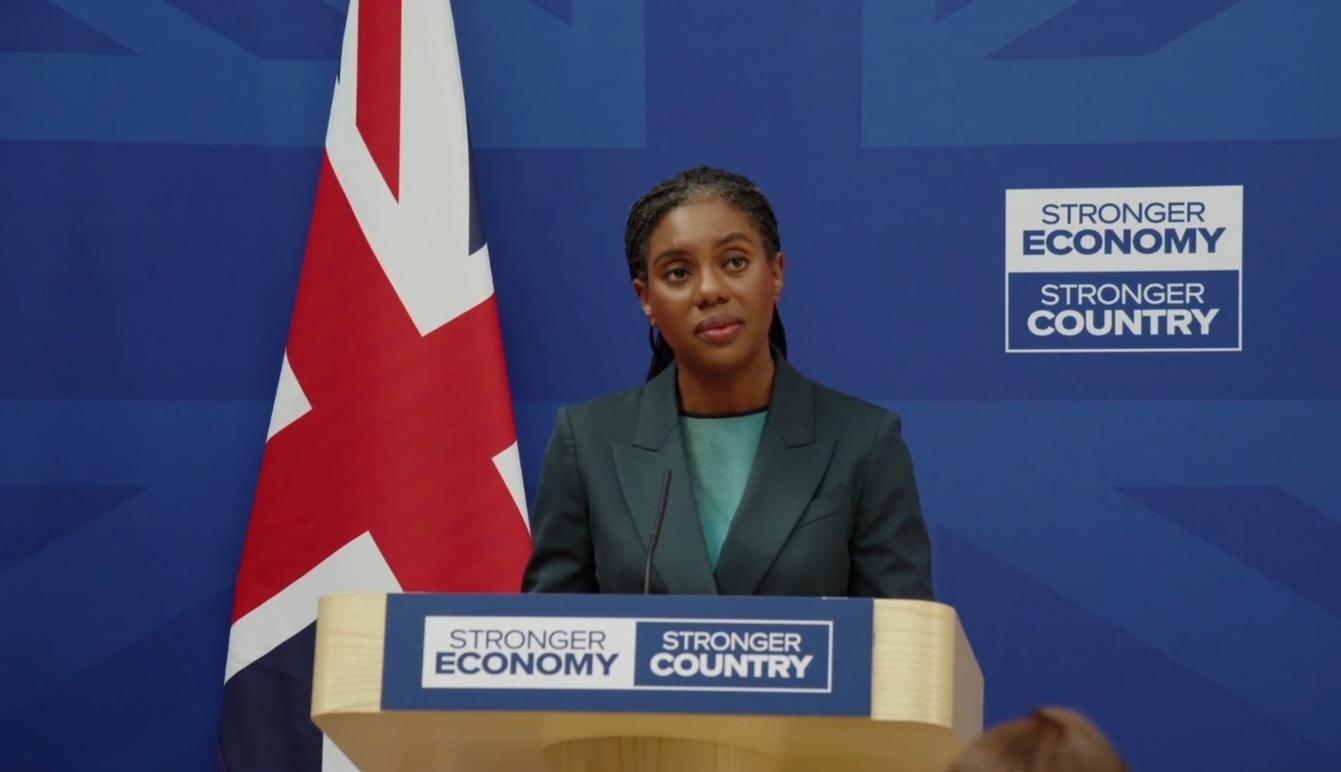
Conservative leader Kemi Badenoch said Britain must increase defence spending to 3% of GDP by 2030, warning in a Thursday speech that the UK could face a major conflict within the next four years. Badenoch linked the spending requirement to Russia, cyber attacks, threats to critical infrastructure and wider instability, and argued that “National security does not just happen we also have to pay for it, and that means spending more money on defence.” In the same speech, she said “within the next 4 years, the UK could be at war with the world’s biggest nuclear armed state” under Article 5, and she cited Russian naval activity around Britain and threats to undersea infrastructure.
The UK’s debate also sits alongside market pressure, with the SFG Media report saying the cost of long-term U.K. government borrowing reached its highest level since 1998 and that the yield on 10-year government bonds rose during trading to its highest level since 2007. SFG Media added that Prime Minister Andy Burnham declined to rule out additional borrowing during his first Prime Minister’s Questions in Parliament, while Badenoch said the prime minister risks pushing the public finances into a critical state.
Quotes and funding fight
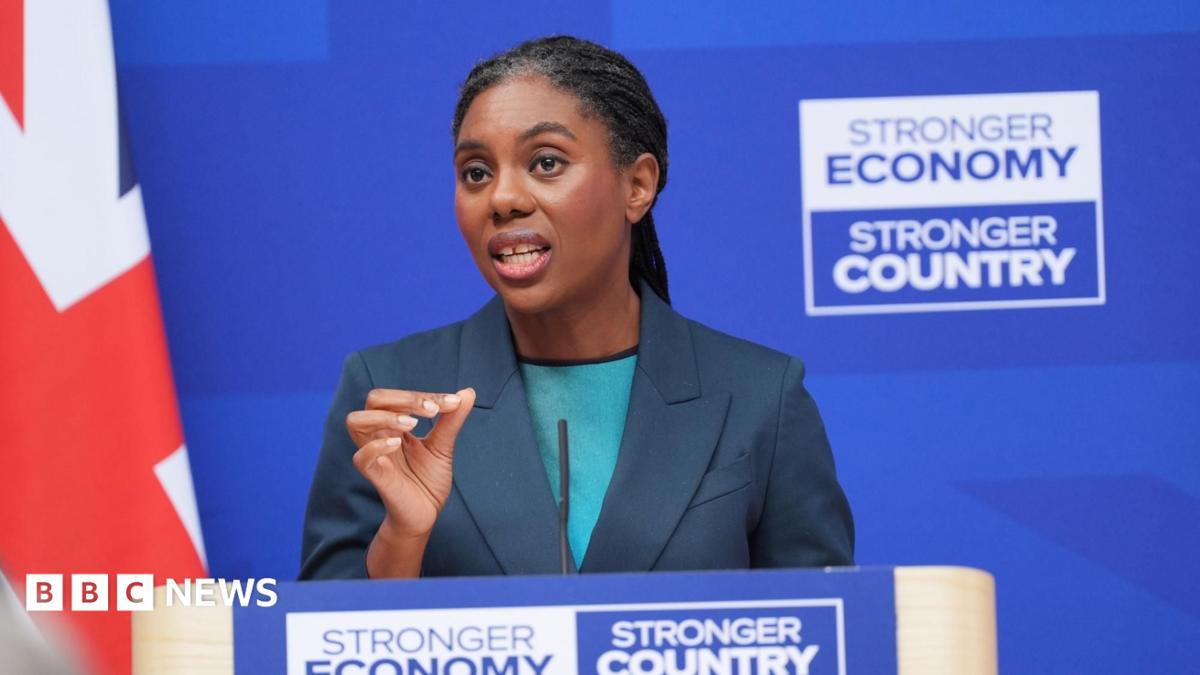
At a press conference in central London, Badenoch accused Andy Burnham of “kicking defence spending into the long grass” as she set out Tory plans to push the figure to 3% of GDP by 2030. The BBC reported that Badenoch said a Conservative government would fund the commitment, worth £10bn a year, through measures including reimposing the two-child benefit cap, reforming housing benefit and ending VAT exemptions for Motability cars. Badenoch also told the BBC, “Our enemies are not going to sit around and wait for Labour to find the money to fight them,” while the BBC said Burnham’s government has only committed to setting out a plan in the spring to meet the Nato target of spending 3.5% of GDP on defence by 2035.
In response, the BBC said a Labour Party spokesperson argued, “These unserious plans are hardly surprising from the same Tory Party that hollowed out our Armed Forces,” and claimed Labour has delivered “the biggest sustained increase in defence spending since the Cold War.” The BBC further reported that Badenoch pressed Burnham over the issue during Prime Minister’s Questions on Wednesday, and that Labour MP Tan Dhesi told the prime minister, “Defence is definitely one area where vibes alone just isn’t going to be enough.”

What comes next
Badenoch said the Conservatives’ funding package would include saving at least £4bn through reforms to housing benefit and removing the VAT exemption for Motability vehicles, saving £1bn, and she tied the plan to the “disastrous Chagos deal” and repurposing money from the British Business Bank into defence. The BBC reported that Badenoch said the final part of her party’s plans to reach the 3% spending figure on defence had now been completed, and it described housing benefit as making up about 12% of the government’s welfare bill this year with £37.3bn forecast to be spent. Badenoch also denied that reimposing the two-child benefit cap would increase child poverty, telling the BBC, “It is not going to increase child poverty,” and she argued that “What increases child poverty is children's parents not having work or being paid low wages.”
The BBC said the Motability scheme has historically given disabled people a 20% VAT discount on cars, and it reported that last year Rachel Reeves made changes removing about 50,000 premium cars like BMWs and Mercedes from the scheme and reinstating 20% VAT for most new cars. Meanwhile, the Forces News report said the Conservatives’ measures to raise the £10bn uplift include allocating £2.5bn from the National Wealth Fund to the National Defence Resilience Bank as part of the party’s Sovereign Defence Fund, shifting £2bn of the civil research and development budget into defence, and ditching the Chagos Islands deal.