Europeupdated 1h ago2 min read
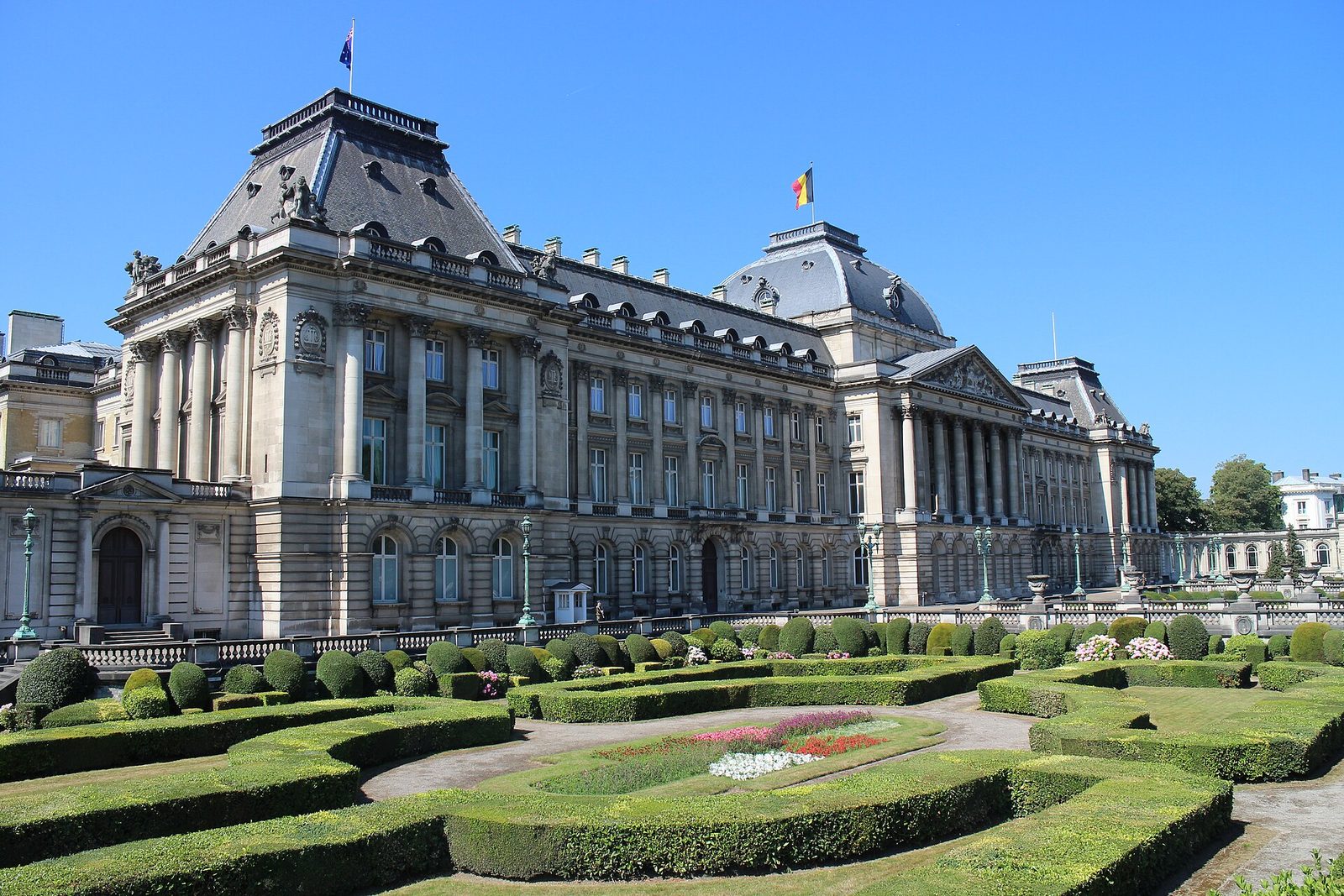
Archive photo · 9 May 2013King Philippe Considers Bart De Wever Resignation After Belgium Budget Talks Collapse
“Belgian Prime Minister Bart De Wever, who helped derail a EU plan to use frozen Russian assets to finance Ukraine,”
“Belgium's King Philippe sought on Monday to defuse a political crisis after overnight budget talks collapsed”
Photo: Martin Falbisoner, CC BY-SA 3.0 · Cropped for layout
This article is an automated aggregation of coverage from news outlets. Our editorials offer in-depth analysis curated by the NewsCord team.
Bart De Wever offered his government's resignation to King Philippe after budget talks collapsed. King Philippe is considering the resignation and will consult coalition leaders before deciding.
Save coverage image
Belgium budget crisis
Belgium’s King Philippe sought to defuse a political crisis after overnight budget talks collapsed, prompting Prime Minister Bart De Wever to offer his resignation during a 90-minute meeting on Monday morning. The Royal Palace said the king would consider De Wever’s offer but would also consult the leaders of the other coalition parties from Tuesday, while the palace said the country cannot afford a prolonged political crisis. De Wever’s five-party coalition failed to break months of deadlock over next year’s budget, and the government has been arguing for months about €10 billion in budget cuts and tax increases.
Deputy Prime Minister Maxime Prevot renewed a call for higher taxes, saying “A contribution from those with substantial financial means is legitimate,” and he said in an interview with broadcaster VRT there was a “50/50” chance of new elections. The crisis raised the prospect that Belgium would be forced to operate under provisional spending rules next year, allowing it to spend only one-twelfth of this year’s budget each month.

Ukraine assets dispute
Belgian Prime Minister Bart De Wever offered his resignation after his five-party coalition failed to agree on next year’s budget, and the Kyiv Post linked the political crisis to Belgium’s role as an obstacle to European efforts to mobilize frozen Russian sovereign assets for Ukraine. De Wever was among the strongest opponents of the European Commission’s proposal to use approximately €185 billion in frozen Russian central bank assets held at Euroclear to back a reparations loan for Ukraine. De Wever argued the move could expose Belgium to lawsuits, Russian retaliation, and potentially billions of euros in liabilities, demanding legal guarantees and assurances that other EU member states would share the risks.
The disagreement prevented EU leaders from reaching an agreement on the reparations loan, and EU leaders instead agreed in December 2025 to provide Ukraine with a €90 billion loan through joint EU borrowing. President Volodymyr Zelensky requested an additional €70 billion in European support for 2027 at an October EU summit.
Debt, elections, and stakes
Belgium’s budget crisis coincided with heightened stress on financial markets, where interest rates had risen sharply on government bonds of Belgium, France and other European countries. The European Commission forecast in May that Belgium’s debt-to-gross domestic product ratio would be 110.5% this year, with a projected general government deficit of 5.2% of GDP. The king regretted “no agreement has been reached on a credible budget tailored to the current challenges,” and the monarch called on all parties to accept their political responsibility.
De Wever had previously made clear that he wanted nothing to do with a system of provisional twelfths, which would allow monthly expenditure of no more than one twelfth of the last approved budget for 2026. The king would meet De Wever again on Friday, and if the king ultimately accepted the prime minister’s resignation, he could ask other parties to form a coalition or call fresh elections.