Businessupdated 51m ago2 min read
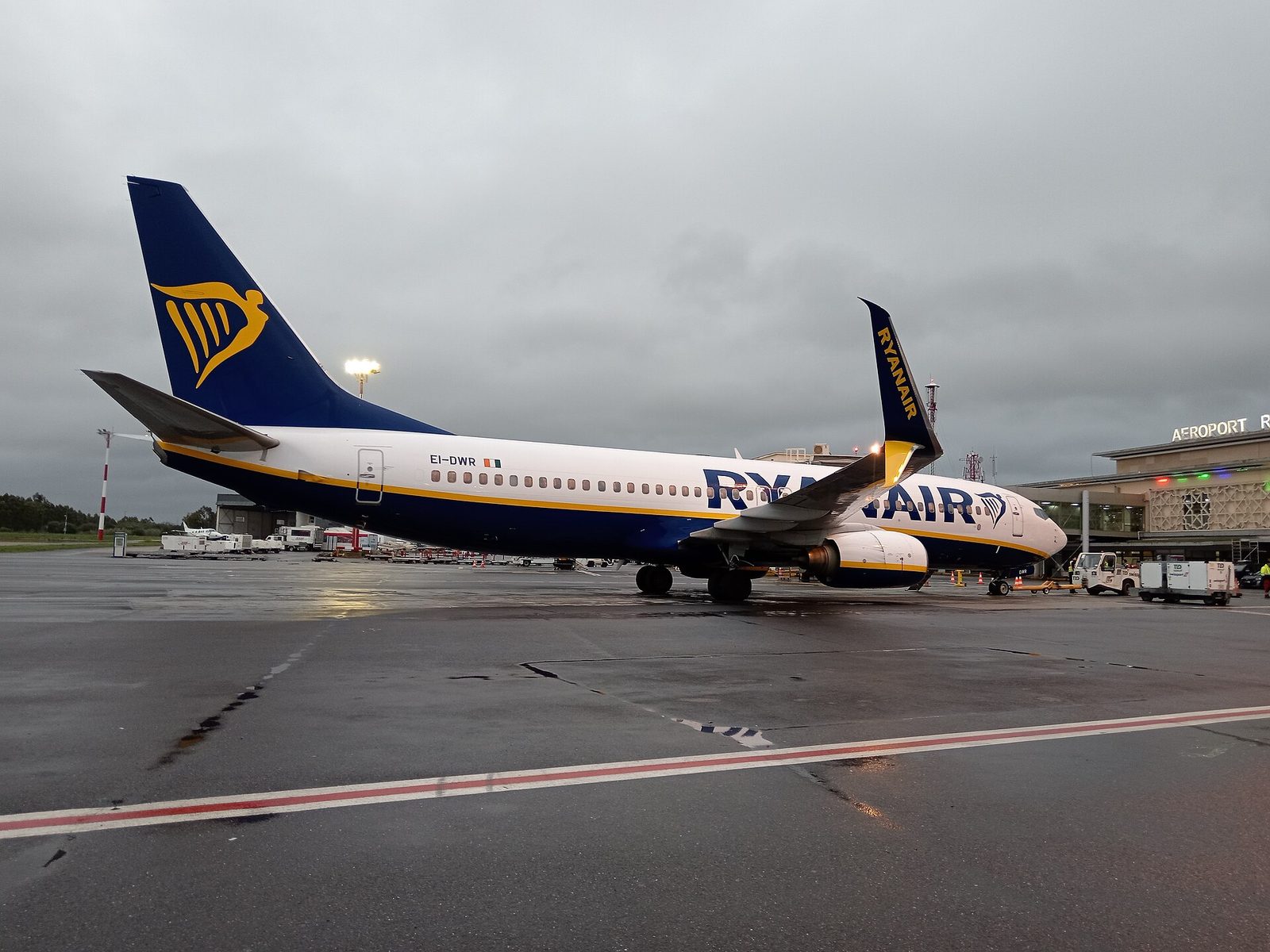
Archive photo · 30 January 2026Ryanair Considers Temporary Pay Freeze as Fuel Costs Push Airfares Higher Next Summer
2 Other2 Western Mainstream1 Western AlternativePhoto: CAPTAIN RAJU, CC0 · Cropped for layout
This article is an automated aggregation of coverage from news outlets. Our editorials offer in-depth analysis curated by the NewsCord team.
Ryanair considers temporary pay freeze for staff amid rising fuel costs. Airfares expected to be higher next summer due to fuel cost surge; €2bn higher.
Save coverage image
5 outlets told this the same way.
Ryanair targets higher fares
Ryanair said it is considering a temporary wage freeze for staff and confirmed airfares will be "materially higher" next summer because of a sharp rise in fuel costs following the US-Israel war with Iran. Ryanair forecast that its fuel bill will be €2bn (£1.6bn) higher in the short-term and said it expects fuel prices to remain high "well into 2027" unless there is a "swift resolution" to the conflict. Ryanair said its chief executive, Michael O'Leary, expects airfares would have to rise by "double-digits" to help cover the cost, while the airline said that would be unlikely to be enough.
Ryanair reported that its pre-tax profits fell by 16% to €2.4bn during the six months to the end of September, largely due to higher fuel costs that jumped by 15%. Ryanair said it is weighing up freezing pay as "maturing labour agreements" come to an end and that the policy could be implemented from April next year.
Hedges roll off, costs bite
Ryanair said 80% of its fuel bill had been "hedged" and that the cost of the remainder was elevated, while the company said it expects jet-fuel prices to remain elevated "well into 2027" without a "swift resolution" of the Middle East conflict. The Guardian reported that Ryanair expected European airlines to raise ticket prices by up to 20% and said Ryanair forecast its own jet fuel costs to rise by about €2bn in its next financial year, which ends in March 2028. Ryanair told the Guardian that it was reviewing all costs across group airlines with a particular focus on airport churn negotiations, maturing labour agreements, lower crew ratios and increased use of AI.
Ryanair said it expected European short-haul fares to "increase materially" next year as fuel hedging deals expire, and it added that the booking window remains closer-in, reducing visibility. Ryanair said it had hedged 80% of its fuel requirements until the end of March at $67 a barrel and that the subsequent 12 months are 25% hedged at $95 a barrel.
AI and staffing changes
Ryanair said it is increasing its use of artificial intelligence within its back office and support functions, while the Guardian said the company expected the AI effort to focus on improving productivity in operations and back-office and support functions. Ryanair said it was looking into "temporary pay freezes" as multi-year wage deals come to an end, and the Guardian said those maturing labour agreements may require temporary pay freezes. Ryanair said it was also reviewing lower crew ratios as part of its cost plan, and the Guardian said it was reviewing lower crew ratios and increased use of AI alongside airport churn negotiations.
Ryanair said it expects a €2bn increase in its fuel bill that cannot be fully offset by fares and competitor capacity reductions, and it warned that loss-making airlines face a "difficult winter". Ryanair reported that passenger numbers grew 5% year on year to 64.5 million during the quarter, while it said average fares fell by 2% year on year in the quarter ending in September.