
Kona Storm floods Hawaii, damaging hundreds of homes and evacuating thousands.
Key Takeaways
- Hawaii's worst floods in two decades damaged hundreds of homes, schools, and a hospital.
- Thousands evacuated; widespread power outages affected Oahu and Maui.
- Damages estimated around $1 billion, including airports, roads, and a Maui hospital.
Historic Flooding Event
Hawaii experienced unprecedented flooding in March 2026, marking the worst such disaster in more than two decades as severe Kona storm systems battered the Hawaiian Islands.
“Along with its consistency, the rusty hue of the mud makes it a nightmare to clean up”
The catastrophic flooding began late last week and continued through the weekend, with Oahu and Maui being hit hardest according to TIME.
Governor Josh Green characterized this as "the state's most serious flooding since 2004," when floods in Mānoa inundated homes and a University of Hawaiʻi library, as reported by Hawai'i Public Radio and Associated Press News.
The storms brought torrential rains that saturated already waterlogged ground from a previous winter storm, causing widespread devastation including homes being swept off their foundations and cars floated out of driveways, according to Associated Press News and Ottumwa Courier.
Human Impact
The flooding forced the evacuation of 5,500 people north of Honolulu, though these orders were later lifted, while more than 230 residents had to be rescued from rising waters, according to Associated Press News and Hawai'i Public Radio.
Personal stories emerged of residents trapped by the rising waters, including Michael McEwan and his wife Heather Nakahara who were confined to their bedroom closet for eight hours with their pets until firefighters rescued them, as detailed in Associated Press News.

The storms disproportionately affected Hawaii's most vulnerable populations, with iHeartRadio reporting that "our unhoused neighbors hit the hardest" and Jason Momoa confirming his family was forced to evacuate their North Shore home after losing power.
Despite the scale of the disaster, no deaths were reported, a fact noted by both TIME and National Today.
Economic Damage
The economic toll of the flooding is estimated to exceed $1 billion, according to Governor Josh Green as reported by multiple sources including TIME, Associated Press News, and National Today.
“The worst flooding to hit Hawaiʻi in two decades swept homes off their foundations, floated cars out of driveways, and left floors, walls and counters covered in thick, reddish mud”
This figure encompasses damage to airports, schools, roads, homes, and even a hospital in Kula, Maui, as detailed in Hawai'i Public Radio.
Agricultural losses were particularly severe, with farms around the state reporting more than $9.4 million worth of damage as of Monday, according to a survey conducted by Agriculture Stewardship Hawaii and the Hawaiʻi Farm Bureau, with Oahu farmers alone reporting over $2.7 million in crop damage.
By Monday, Honolulu's Department of Emergency Management had received more than 400 reports of damaged or destroyed homes, with residents in some neighborhoods having to tramp through silt up to their knees or deeper to reach their properties, according to Associated Press News and Hawai'i Public Radio.
Weather Context
The devastating flooding was caused by winter storm systems known as "Kona lows," low-pressure weather systems that feature southerly or southwesterly winds bringing moisture-laden air, as explained by TIME and Associated Press News.
The sheer volume of rain contributed to the disaster, with parts of Oahu receiving 8 to 12 inches of rain, while Kaʻala, the island's highest peak, got nearly 16 inches late last week on top of 26.6 inches received between March 10 and 16, according to National Today and Hawai'i Public Radio.
Meteorologists note that the intensity and frequency of heavy rains in Hawaii have increased amid human-caused global warming, with National Today and Associated Press News experts highlighting how this historic flooding event underscores the growing threat of extreme weather driven by climate change.
Community Response
Community resilience was evident throughout the crisis, with Governor Josh Green noting "neighbors helping neighbors, communities stepping up, and our emergency teams working tirelessly to keep everyone safe," as reported by Milwaukee Journal Sentinel.
“"Throughout this storm, we saw neighbors helping neighbors, communities stepping up, and our emergency teams working tirelessly to keep everyone safe," Green said”
Honolulu Mayor Rick Blangiardi expressed gratitude that "so far everybody's alive" while acknowledging the significant challenge ahead for residents whose lives were upended by the destruction, according to Milwaukee Journal Sentinel.
Emergency management teams continued assessing the extent of damage while working to restore power to the remaining 2,000 customers still without electricity on Sunday afternoon, as reported by National Today.
Volunteers from across the community mobilized to help clean debris and thick, red mud from affected neighborhoods, with officials noting the difficulty of removing the iron-rich volcanic mud that stains everything brownish-yellow when dry and clings when wet, according to Associated Press News and Hawai'i Public Radio.
Ongoing Concerns
Recovery efforts faced ongoing challenges as the ground remained saturated, meaning it would take much less rain to trigger additional flooding and road closures, according to iHeartRadio.
Authorities continued to monitor the stability of the 120-year-old Wahiawa dam, which had been a significant concern during the height of the storms, though the immediate threat of failure had passed, as reported by Associated Press News and National Today.
The flooding has highlighted the need for improved disaster preparedness and resilience measures in vulnerable island communities, with National Today noting that this historic event "underscores the growing threat of extreme weather driven by climate change."
Meteorologists predicted drier weather ahead, offering a respite from the storm's aftereffects, but officials maintained flood watches for most of the state as they worked to assess long-term infrastructure needs and community recovery plans, according to Associated Press News and Hawai'i Public Radio.
More on Technology and Science
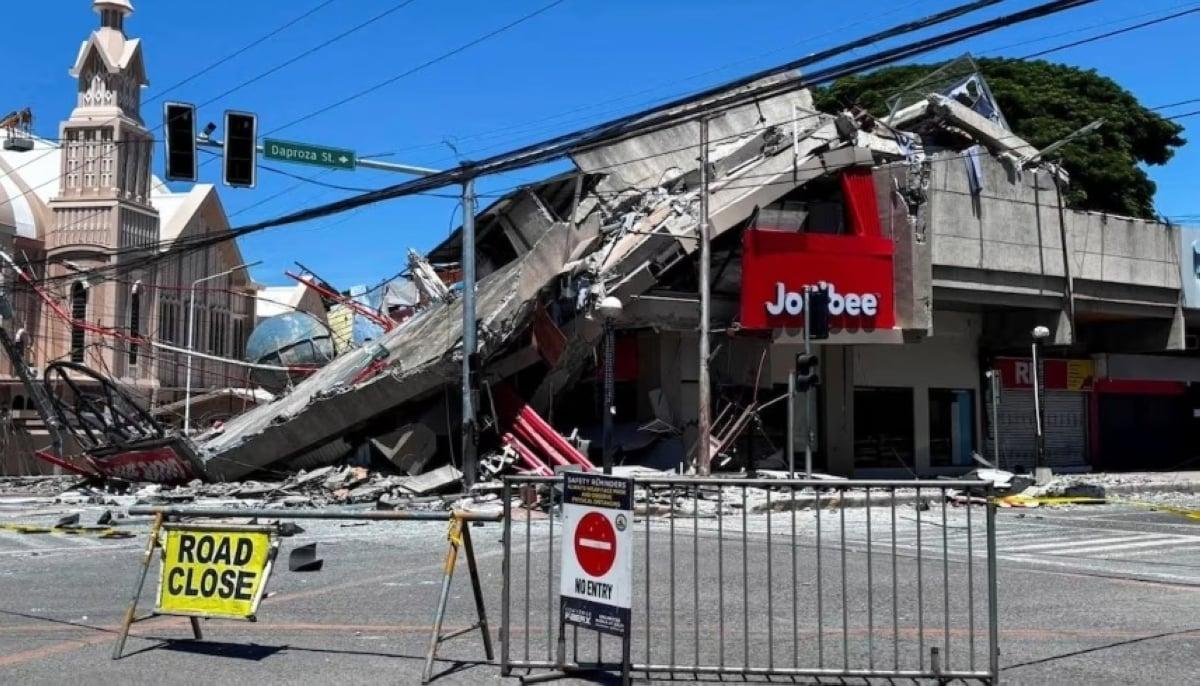
Typhoon Bavi Kills At Least 15 in Philippines as It Threatens Taiwan and Japan
19 sources compared
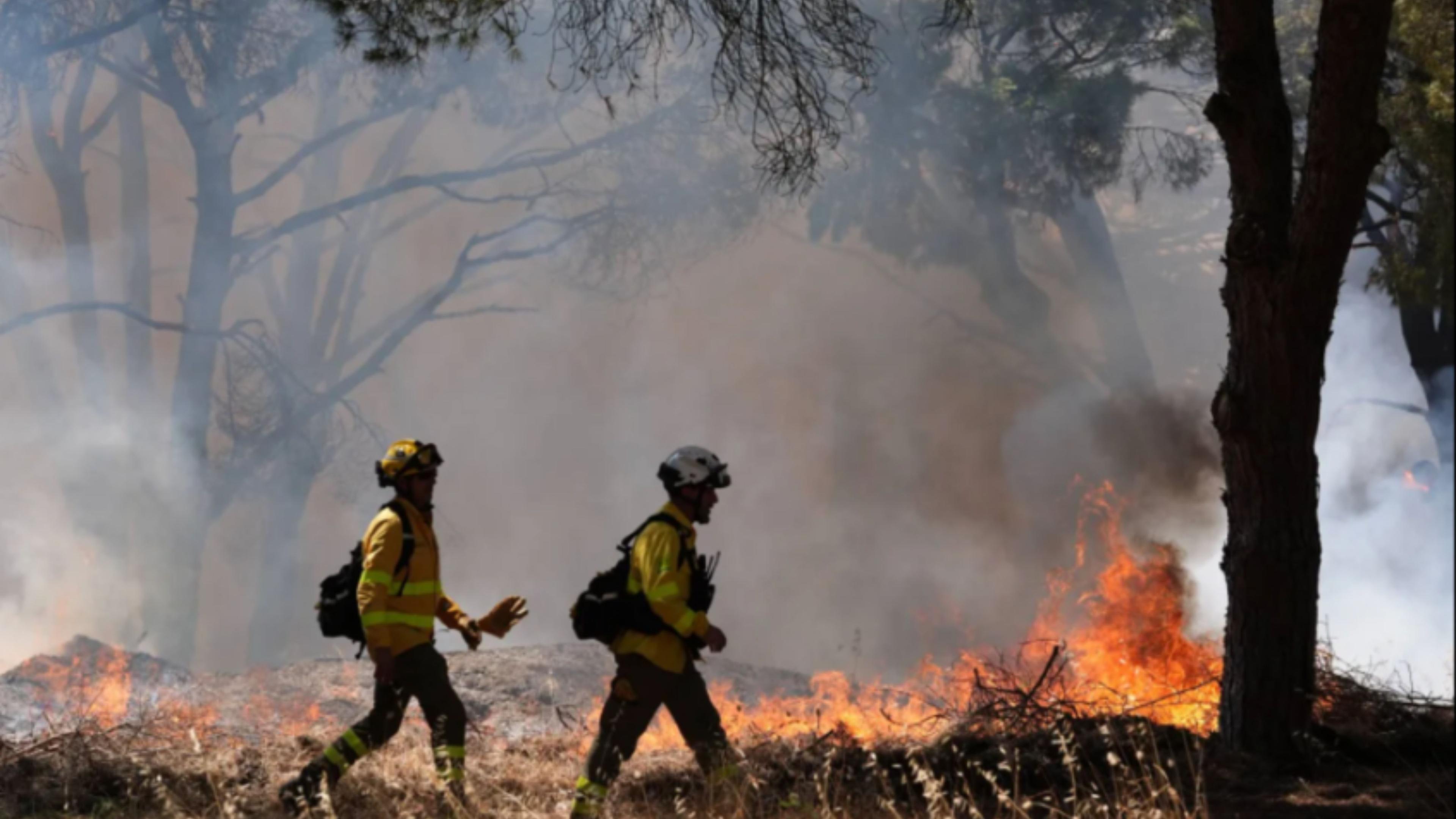
Wildfire Kills At Least 12 Near Los Gallardos, Leaving 23 Missing In Andalusia
41 sources compared

OpenAI Sunsets ChatGPT Atlas Browser, Pivots to ChatGPT Desktop App With ChatGPT Work
13 sources compared

FTC And Five States Reach 10-Year Right-To-Repair Settlement With Deere & Company
10 sources compared