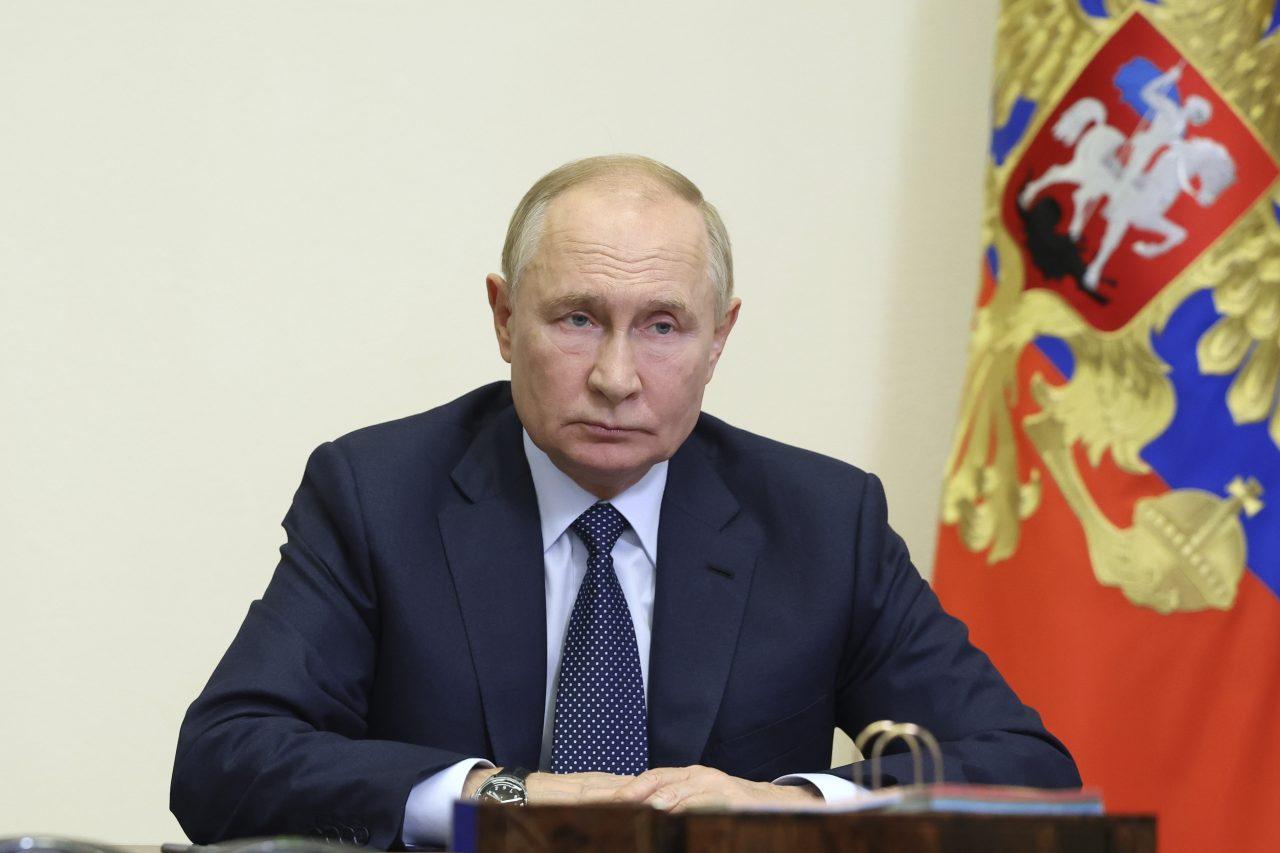
Kremlin Telegram Channels Spread Fake News About Russian Soldiers’ Civilian Massacres In Ukraine
Key Takeaways
- Telegram channels like Signal function as Kremlin propaganda tools.
- Cracks in Kremlin messaging reveal Putin vulnerabilities and loss of messaging control.
- Western outlets analyze propaganda cracks, framing credibility issues for Kremlin narratives.
Kremlin cracks
HuffPost Italia describes Kremlin-linked Telegram channels using messages like "Bravo, Giorgia!" on "Signal" to circulate fake news and hoaxes about "the civilian massacres carried out by Russian soldiers in Ukraine."
“Propaganda loses its power when reality becomes too evident and runs us over”
Linkiesta.it says that when the Ukrainian army occupied the Russian Kursk region on August 6 last year, the Kremlin realized it did not have everything under control and that the incursion sparked panic across the country.
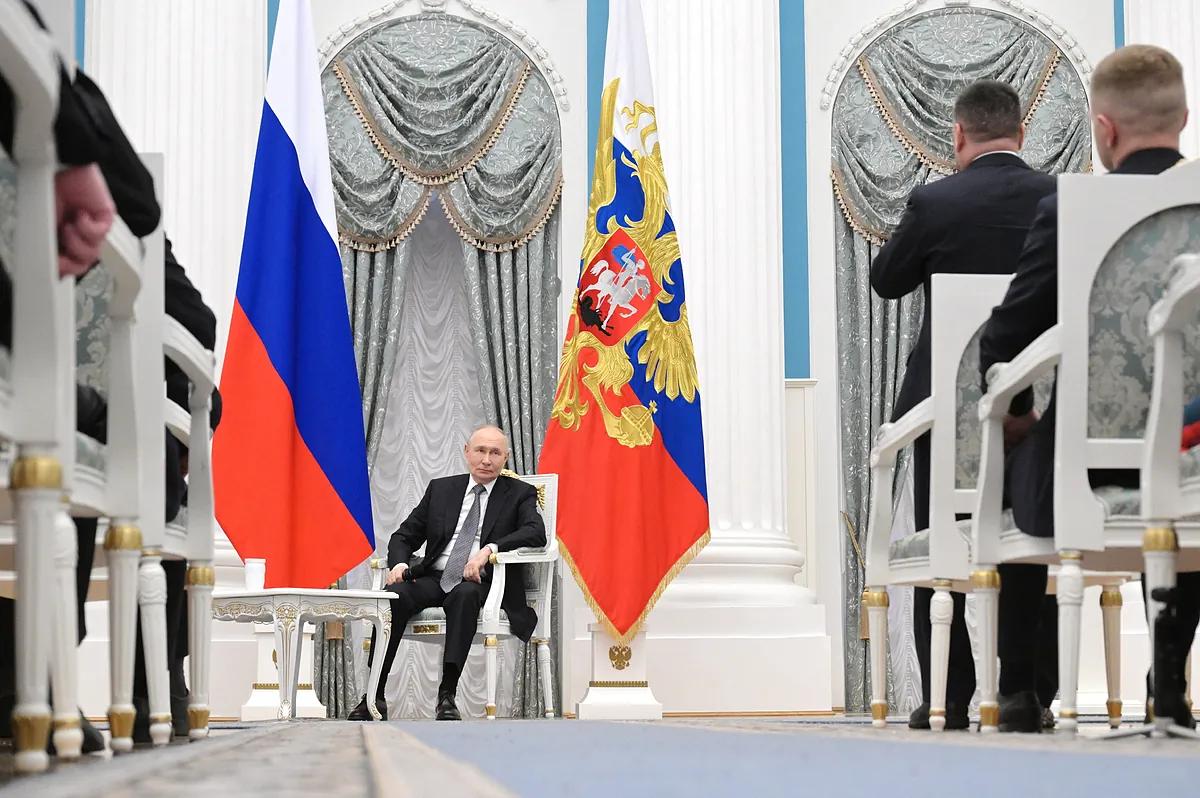
Linkiesta.it adds that Russian opinion polls recorded a drop in support for the Kremlin "from sixty to fifty percent within three weeks" after the Kursk incursion.
Linkiesta.it also links the Kremlin’s propaganda strain to earlier shocks, including the attempted coup in June 2023 during the initiative by Wagner’s leader Yevgeny Prigozhin.
El Mundo quotes BBC Moscow correspondent Steve Rosenberg detecting anomalies in Komsomólskaya Pravda, including a hidden message formed by Cyrillic letters reading "Madness, when will all this end?"
Repression and messaging
Linkiesta.it says that since the start of the invasion of Ukraine, in February 2022, the Moscow regime has choked liberal media, forcing independent newspapers to close or go into exile, and blocking access to platforms like Facebook, Instagram, and Twitter.
Linkiesta.it adds that the regime authorized supervision of Telegram channels and other pro-regime social media by the army, the Federal Security Service, and the mercenary forces.

El Mundo reports Rosenberg’s reading of the Victory Day parade, saying it was held without the usual display of battle tanks or ballistic missiles.
El Mundo frames the parade as a sign of fear around Putin’s security, writing that "the Russian army [was] exhausted in Ukraine and a deep fear surrounding Putin's security."
Linkiesta.it notes that in the wake of the Ukrainian initiative in Russia, the state broadcaster RT announced that, according to the army, Kyiv had not managed to secure a foothold in the region.
War, trust, and risk
Linkiesta.it cites Filter Labs, saying that online sentiment toward the dictatorship remained negative throughout August.
“When the Ukrainian army occupied the Russian Kursk region on August 6 last year, the Kremlin realized it did not have everything under control”
Linkiesta.it argues that moments of crisis like the Kursk invasion or Prigozhin’s attempted coup have unsettled the combination of official propaganda and repression of free information.
El Mundo says Ukraine’s attacks are increasingly effective, claiming that since January Ukraine has attacked more than a dozen refineries in Russia, reducing the capacity of the oil industry by about 700,000 barrels per day.
El Mundo also says Ukraine already conducts attacks as far as 2,000 kilometers from the border, reaching the country’s most populated area where "two out of every three Russians live."
El Mundo concludes that Putin’s popularity remains high but is dented, and that his two fronts are becoming more complicated: "the Ukrainian one and the interior, which could worsen as days pass."
More on Russia
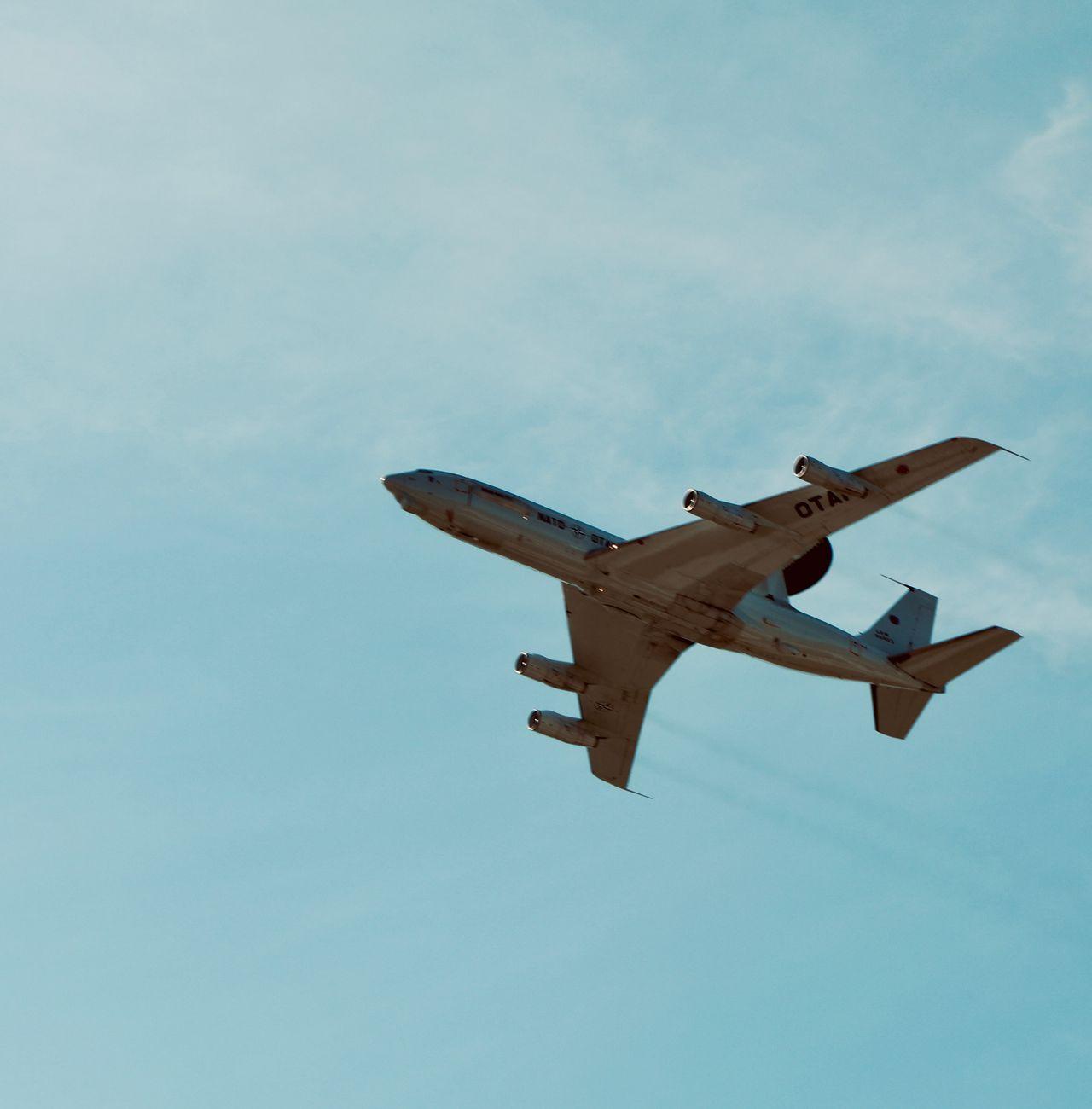
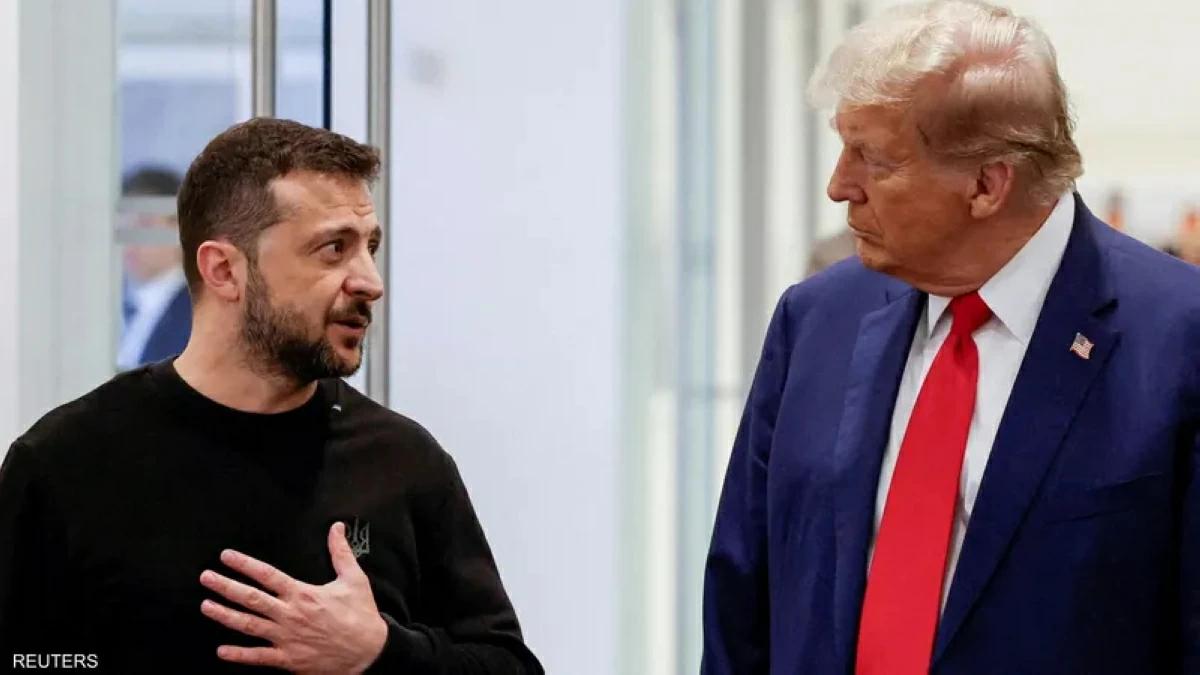
Zelensky Presses NATO in Ankara for More Air Defense Systems Against Russia’s Ballistic Missiles
14 sources compared
Dmitry Medvedev Attends Ali Khamenei Funeral After U.S.-Israeli Air Strike Killed Him
15 sources compared

EU Tightens Steel Safeguards And Parcel Rules Against China From July 1, 2026
10 sources compared

Russia Orchestrated Coordinated Drone Campaign Over Europe Using Shadow Fleet Vessels, IISS Says
33 sources compared