Asia24 April, 20266 min read
Kuwait Says Iraq-Launched Drones Target Northern Border Posts, Causing Material Damage
Two drones from Iraq struck northern Kuwaiti border posts, causing material damage. The attack produced no casualties, according to Kuwait's military.
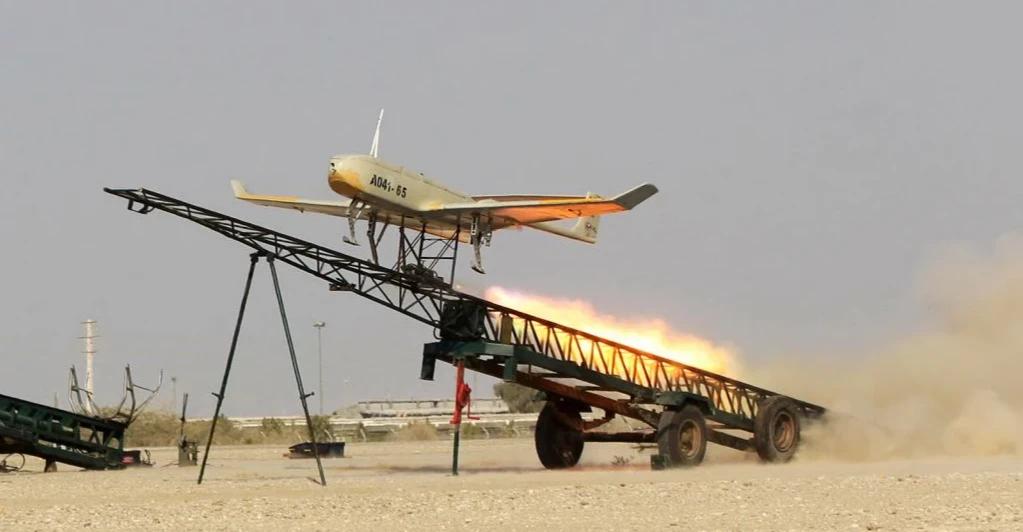
Drone Strikes on Kuwait
Kuwait’s military said two explosive-laden drones launched from Iraq targeted two northern land border posts, causing material damage but no casualties. Multiple outlets carried the same core claim that the drones were guided by fiber-optic cables and originated from the Republic of Iraq, with the Kuwaiti army describing the incident as a “criminal act of aggression” and an “aggressive and malicious act.” Al-Jazeera Net reported that the Kuwaiti Army announced the attack “causing material damage with no injuries,” citing a statement from the spokesman for the Ministry of Defense, Colonel Saud Abdul Aziz Al-Atwan.
Shafaq News similarly said Kuwait’s military reported drones struck two northern border posts after entering from Iraqi territory, and it quoted the attack as an “aggressive and malicious act,” with “material damage without casualties.” The Times of Israel also relayed the Kuwaiti military’s statement on X, saying “two explosive-laden drones guided by fibre-optic cables, originating from the Republic of Iraq” resulted in “material damage but… no human casualties.”

Anadolu Ajansı added that the army said the drones struck “land border positions early in the day” in a “hostile attack,” again reporting “material damage, but no injuries were reported.” L’Orient-Le Jour likewise reported that “two drones originating from Iraq targeted border posts in northern Kuwait,” with damage but no casualties, quoting the Kuwaiti army’s X statement.
Guidance, Origin, Response
Across the reports, Kuwait’s military framed the attack as a cross-border incident with specific technical details and an immediate response by authorities.
Al-Jazeera Net said the statement noted that “the two drones were guided by optical fiber cables and came from Iraq,” and it added that the Kuwaiti Ministry of Defense confirmed that “the competent authorities immediately began taking the necessary measures to deal with the incident.”

Shafaq News likewise described the two explosive-laden drones as “guided by fiber-optic wires,” and it said authorities initiated measures to address the incident.
The Times of Israel carried the Kuwaiti military’s X statement that “two of Kuwait’s northern land border posts were targeted in a criminal act of aggression involving two explosive-laden drones guided by fibre-optic cables, originating from the Republic of Iraq,” and it emphasized the outcome as “material damage but… no human casualties.”
Anadolu Ajansı similarly reported that “The drones were guided via fiber-optic cables and were launched from Iraq,” and it stated that “There was no comment from Iraq, and no group claimed responsibility for the attack.”
Türkiye Today echoed the same technical framing, quoting the Ministry of Defense spokesperson Col. Saud Abdulaziz al-Atwan as saying the drones were “guided by fiber-optic wire, coming from the Republic of Iraq,” and it added that “The Ministry of Defense confirms that the competent authorities immediately began taking the necessary measures to deal with the incident.”
L’Orient-Le Jour also repeated the Kuwaiti army’s X language that the drones caused “material damage but no casualties,” while DHnet’s local dispatch reproduced the same statement that the drones caused “material damage but (...) no casualties.”
No Iraqi Comment, No Claim
Several of the reports explicitly said Iraq had not commented and that no group claimed responsibility for the drone attack. Anadolu Ajansı stated, “There was no comment from Iraq, and no group claimed responsibility for the attack,” while Shafaq News said “The Iraqi government has yet to comment on the incident.” The New Indian Express similarly reported Kuwait’s account that “two drones coming from the direction of neighbouring Iraq struck border posts on its northern frontier with the country, causing damage but no casualties,” and it framed the wider context by noting that after the Middle East war began on February 28, pro-Iran armed groups began claiming daily attacks on “enemy bases” in Iraq and the wider region.
Türkiye Today also said “There was no comment from Iraq, and no group claimed responsibility for the attack,” and it added that Iran-aligned factions are active in Iraq. L’Orient-Le Jour’s subscriber-gated text still carried the Kuwaiti army’s statement that the drones caused “material damage but no casualties,” without adding any attribution beyond the Kuwaiti military’s claim.
Al-Jazeera Net likewise described the Kuwaiti Army’s announcement and said Kuwait’s Ministry of Defense confirmed that competent authorities began measures, but it did not present a response from Iraq. In the same set of articles, the absence of Iraqi comment and the lack of any claimed responsibility are treated as notable facts alongside the technical details of fiber-optic guidance and the reported lack of injuries.
Earlier Cross-Border Tensions
The drone strike was reported in the context of prior cross-border incidents and diplomatic steps taken by Kuwait.
Shafaq News said the attack came “a month after Kuwait summoned Iraq’s envoy over similar cross-border incidents,” and it described Kuwait’s characterization of the act as “aggressive and malicious.”

It also said that in March, Kuwait’s Foreign Ministry “summoned Iraq’s chargé d’affaires, Zaid Abbas Shanshul, twice over similar attacks by armed groups,” urging Baghdad to hold those responsible accountable and prevent further incidents.
Al-Jazeera Net similarly tied the incident to a broader pattern, saying Kuwait has faced “hundreds of drone and missile attacks since the outbreak of the war between the United States and Israel on one side and Iran on the other,” carried out by forces backed by Tehran in Iraq.
It added that those attacks caused damage to infrastructure facilities, including “airports and energy facilities.”
Anadolu Ajansı provided a different but related regional timeline, saying Iran-aligned factions are active in Iraq and referencing groups announcing military operations targeting US bases during joint US-Israeli attacks against Iran on Feb. 28, with “The operations killed more than 3,300 people in Iran” before Washington and Tehran announced a two-week ceasefire on April 8 mediated by Pakistan.
Together, the articles place the Kuwait drone incident inside a larger sequence of attacks, ceasefire diplomacy, and Kuwait’s diplomatic engagement with Iraq.
Regional Escalation and Ceasefire
Beyond the immediate drone attack, several sources connected the Kuwait-Iraq border incident to the wider regional conflict and the status of a ceasefire.
Anadolu Ajansı said Iran-aligned factions are active in Iraq, with some groups announcing the launch of military operations targeting US bases in the region during the joint US-Israeli attacks against Iran on Feb. 28, and it specified that “The operations killed more than 3,300 people in Iran” before Washington and Tehran announced a two-week ceasefire on April 8 mediated by Pakistan.

It then stated, “The war has been on hold since April 8 under a ceasefire mediated by Pakistan,” and it added that “Washington and Tehran held talks in Pakistan the previous weekend, with efforts underway to arrange a new round of negotiations.”
The same Anadolu Ajansı report quoted US President Donald Trump saying Tuesday that the ceasefire would remain in place following a request from Pakistan until Iran presents what he described as a “unified proposal.”
Türkiye Today and The New Indian Express both referenced the ceasefire and the broader escalation, with Türkiye Today repeating that “The war has been on hold since April 8 under a ceasefire mediated by Pakistan” and adding that “Washington and Tehran held talks in Pakistan the previous weekend.”
The New Indian Express also described how, after the Middle East war began on February 28, pro-Iran armed groups began claiming daily attacks on “enemy bases” in Iraq and the wider region, but said they were suspending their actions after a ceasefire was announced.
In parallel, the Al-Jazeera Net account said Kuwait has faced “hundreds of drone and missile attacks” since the outbreak of the war between the United States and Israel and Iran, carried out by forces backed by Tehran in Iraq, and it said those attacks caused damage to “airports and energy facilities.”