Britain10 October, 20253 min read
Labour Government Imposes Digital ID Requirement on 13-Year-Olds Despite Public Backlash
This article is an automated aggregation of coverage from news outlets. Our editorials offer in-depth analysis curated by the NewsCord team.
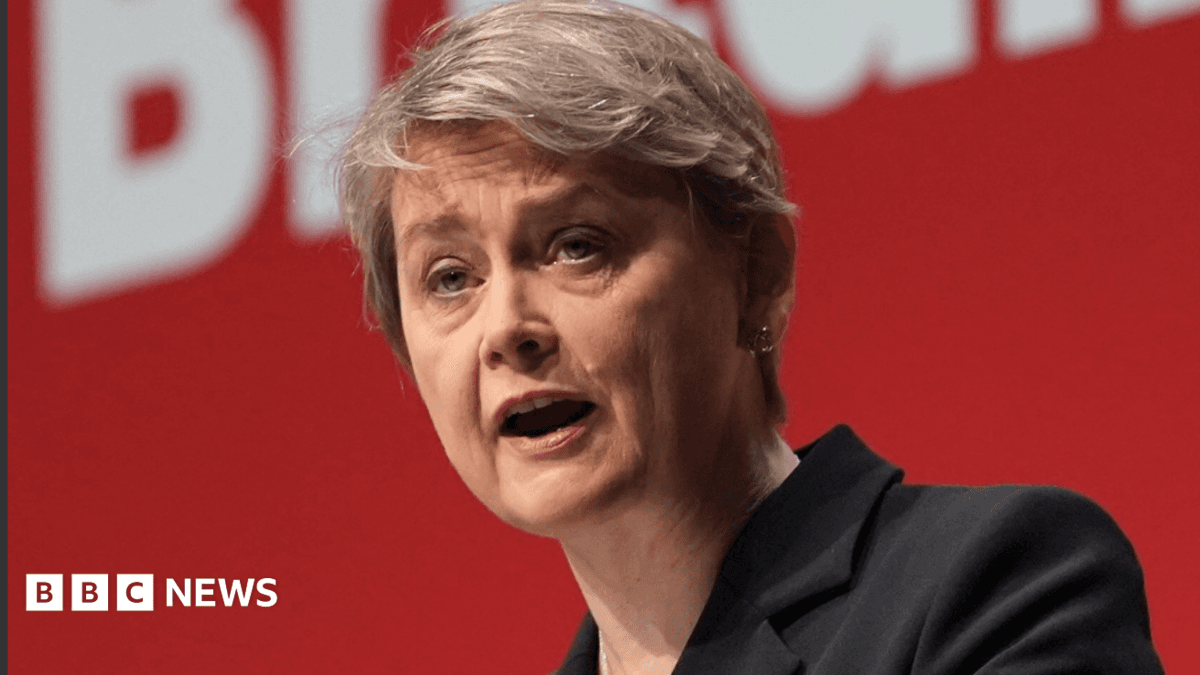
Government plans to introduce digital ID for children aged 13 to 16 nationwide. Foreign Secretary Yvette Cooper publicly defends digital ID use for 13-year-olds.
5 outlets told this the same way.
Digital ID Proposal for Youth
Despite the headline claim of an imposed mandate, the three sources indicate the Labour government is consulting on, and considering, a digital ID for children as young as 13 rather than having already imposed it. LBC.co.uk reports the government is considering a phone-based digital ID containing name, residency status, date of birth and nationality as part of a plan to tackle illegal immigration, with Yvette Cooper not ruling it out and promising consultation.
“The UK Government is considering introducing digital ID cards for 13-year-olds as part of a plan to tackle illegal immigration, announced by Sir Keir Starmer.”
The Irish News likewise reports Cooper’s defence of introducing digital ID for 13-year-olds and notes significant opposition, including a petition of over 2.8 million signatures. Birmingham Live adds that the Department for Science Innovation and Technology is consulting on implementation and notes public concern about democratic mandate, while also linking the broader digital ID agenda to recent right-to-work rules.

Digital ID Consultation for Teens
A government consultation is underway regarding a standardized digital ID that could include teenagers as young as 13. Ministers argue that many teenagers already use similar identification tools. The Irish News reports that the initial age scope was 16 and over, but there is consideration to lower it to 13 after consultations.
The report also highlights Cooper’s argument for consistency in the age range. Birmingham Live supports Cooper’s point that many 13-year-olds already have some form of digital ID and confirms that the Department for Science, Innovation and Technology (DSIT) is consulting on implementation. LBC.co.uk adds that Cooper did not rule out the proposal to include 13-year-olds and reiterated that the government will consult on how to implement the digital ID.

Digital ID Policy Discussions
The policy conversation is also being linked to other domains. Birmingham Live reports that digital ID will become mandatory for proving the right to work. The Irish News reports on potential expansion of digital ID to public services such as benefits and bill payments.
“The move follows the Prime Minister’s recent announcement that digital ID will become mandatory for proving the right to work in the UK.”
Keir Starmer is quoted praising India’s Aadhaar system, noting its biometric data storage and potential relevance to banking. LBC.co.uk focuses on the immigration-control rationale and the proposed phone-stored data fields.
LBC.co.uk does not mention Aadhaar or right-to-work rules. Taken together, the coverage shows a mix of migration control, service access, employment verification, and fintech ambitions being discussed around digital ID.
Public Reaction to Digital ID Policy
Public backlash is a major theme across outlets, but they highlight it differently. LBC.co.uk reports significant public opposition with a petition surpassing 2.8 million signatures. The Irish News similarly notes the petition and frames opposition as resistance to expanding digital ID from immigration control into public service management.
Birmingham Live adds distinct democratic-process concerns, reporting complaints that the policy lacked an electoral mandate and is being pushed during parliamentary recess. Government defenders, notably Yvette Cooper, argue many teenagers already use digital IDs and that standardization is appropriate.
Digital ID Proposal for Teens
None of the sources indicate that the government has already imposed a digital ID requirement for those aged 13 and over. All sources describe proposals currently under consultation, with ministers not ruling out a threshold of 13 years old. LBC.co.uk quotes Cooper saying the government will consult on how to implement the plan and notes her view that many 13-year-olds already have some form of digital ID.
“Speaking from Paris, Foreign Secretary Yvette Cooper did not rule out the proposal and said the government will consult on how to implement it.”
Birmingham Live confirms that the Department for Science, Innovation and Technology (DSIT) is handling implementation consultations and links the broader digital ID program to the separate, already-announced right-to-work mandate. The Irish News provides the clearest timeline context, stating that the original scope for ages 16 and over is now being considered for lowering to 13 following consultations. The Irish News also highlights Starmer’s advocacy of Aadhaar-style features as an example of a potential direction rather than a confirmed policy.