Pakistan25 October, 20253 min read
Lahore Suffocates Under World’s Most Toxic Smog as Pakistan Fails to Act
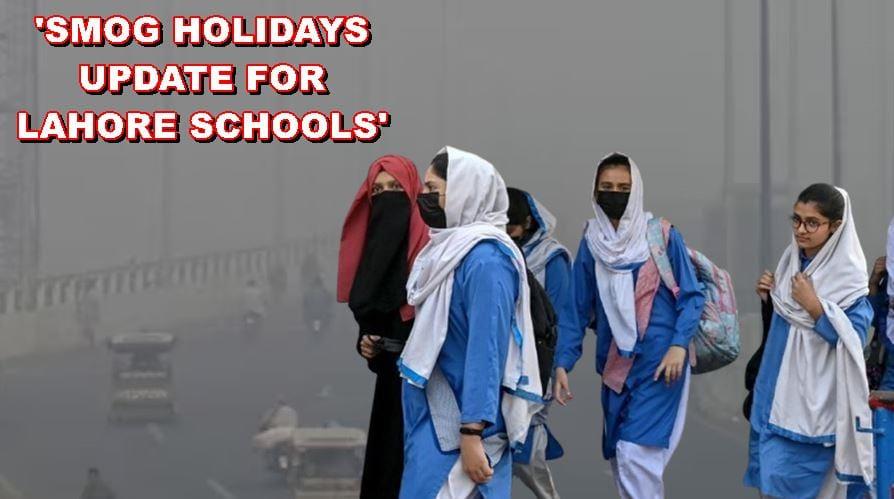
Lahore recorded hazardous AQI levels above 400, making it the world’s most polluted city. Smog in Lahore is caused primarily by industrial emissions, vehicle exhaust, and weather conditions.

9 outlets told this the same way.
Outlets did split on Tehrik-E-Taliban Pakistan Suicide Attack Kills At Least 27 in Kohat Mosque Blast →
Lahore's Severe Air Pollution
Lahore is choking under an acute smog crisis, repeatedly topping global pollution rankings with hazardous readings. SUCH TV reports an extremely hazardous air quality index (AQI) of 404, making it the world’s most polluted city. Geo TV puts the AQI even higher, citing a hazardous US AQI of 412 and PM2.5 levels 56 times above WHO guidelines.
“Lahore continues to suffer from severe smog, recording an extremely hazardous air quality index (AQI) of 404, making it the world’s most polluted city, followed by New Delhi at 308.”
Pakistan Observer similarly says Lahore recorded a hazardous AQI of 362, topping the global pollution list as thick smog blankets the metropolis. In contrast, Arab News, citing IQAir, lists Lahore as the second most polluted city globally with an AQI of 191, and places Karachi at 11th with 119.

This diverges from SUCH TV’s assessment that Karachi ranks seventh with an AQI of 154. Geo TV adds that nearby New Delhi also faced very unhealthy air, underscoring a regional emergency across South Asia.
Causes of Winter Smog
Authorities and meteorological agencies attribute the choking haze to winter weather that traps emissions. Arab News reports PDMA warnings that stable, dry weather conditions will increase respiratory illness risks. Calm winds, low temperatures, and humidity prevent pollutant dispersion, according to these warnings.
LatestLY similarly cites PMD warnings of smog occurring from November to mid-December. Arab News Pakistan states the smog is caused by trapped vehicle emissions, industrial smoke, and dust during the cold months from November to mid-December.
ANI News and Tribune India echo PMD alerts that stable weather is trapping pollutants from industrial and vehicle emissions. Geo TV links the smog to vehicles, factories, and crop burning.
Government Pollution Control Efforts
Government action is uneven and contested. Geo TV details reactive steps such as water sprinkling, partial industrial shutdowns, and deployment of anti-smog guns, but warns these are insufficient without consistent enforcement and regional cooperation. Authorities highlight a new capability: Punjab launched its first advanced Smog Monitoring and Control Centre and is using drones to monitor brick kilns.
“Despite measures like water sprinkling, partial industrial shutdowns, and deployment of anti-smog guns, experts warn these efforts are insufficient without consistent enforcement and regional cooperation.”
Arab News notes that anti-smog guns were deployed for the first time. ANI News and BioEnergy Times report a dramatic local success in Lahore’s Kahna, claiming the operation reduced pollution by 70%, lowering the Air Quality Index from 666 to 170. Tribune India also reports that the Kahna operation significantly reduced pollution.
Health Risks of South Asia Smog
Public health warnings are stark regarding the smog in South Asia. Geo TV reports that the smog is causing health issues like throat irritation and breathing difficulties. It also poses serious long-term health risks to millions in the region.
SUCH TV advises people to wear facemasks when outdoors. ANI News and Tribune India urge residents to limit outdoor activities, especially for vulnerable groups. LatestLY highlights rising respiratory illnesses and reduced visibility due to the smog.

BioEnergy Times links the haze to an increase in road accidents and disruption of outdoor activities. These reports underscore immediate safety threats beyond respiratory harm.
Lahore Air Pollution Levels
Local data points reveal the severity and variability of the pollution crisis. Pakistan Observer reports extreme local spikes in air quality index (AQI) in areas such as Shalamar, Shadman, Syed Maratib Ali Road, and Iqbal Town, with AQIs ranging from 599 to 690. Lower Mall recorded an AQI of 540, consistent with Lahore frequently ranking at the top of global pollution lists.
“Specific areas such as Shalamar, Shadman, Syed Maratib Ali Road, and Iqbal Town reported extremely high AQIs ranging from 599 to 690, raising serious public health and educational concerns.”
BioEnergy Times notes an average AQI of 274, with Allama Iqbal Town exceeding an AQI of 450. LatestLY reports the city's average AQI at 183, with some areas surpassing 350.
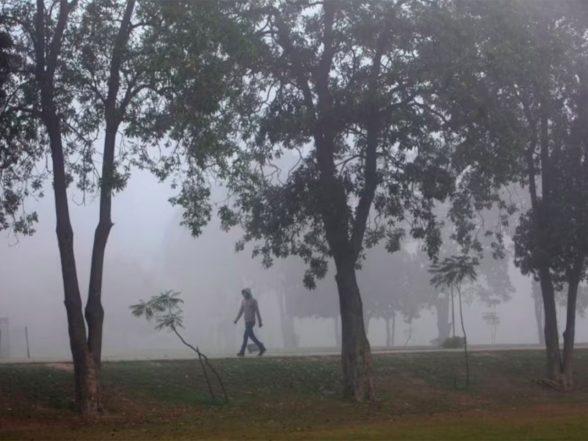
SUCH TV cites PDMA's warning that smog will continue until mid-December due to ongoing crop residue burning. This situation highlights policy shortcomings despite official attempts to address the issue.