USA04 September, 20263 min read
Laura Fernández Says U.S. Ground Operations Would Boost Costa Rica’s National Security
This article is an automated aggregation of coverage from news outlets. Our editorials offer in-depth analysis curated by the NewsCord team.
Fernández said US ground operations could boost Costa Rica's national security but require legislative approval. No concrete plans exist; any deployment would require Washington approval and legislative sign-off.
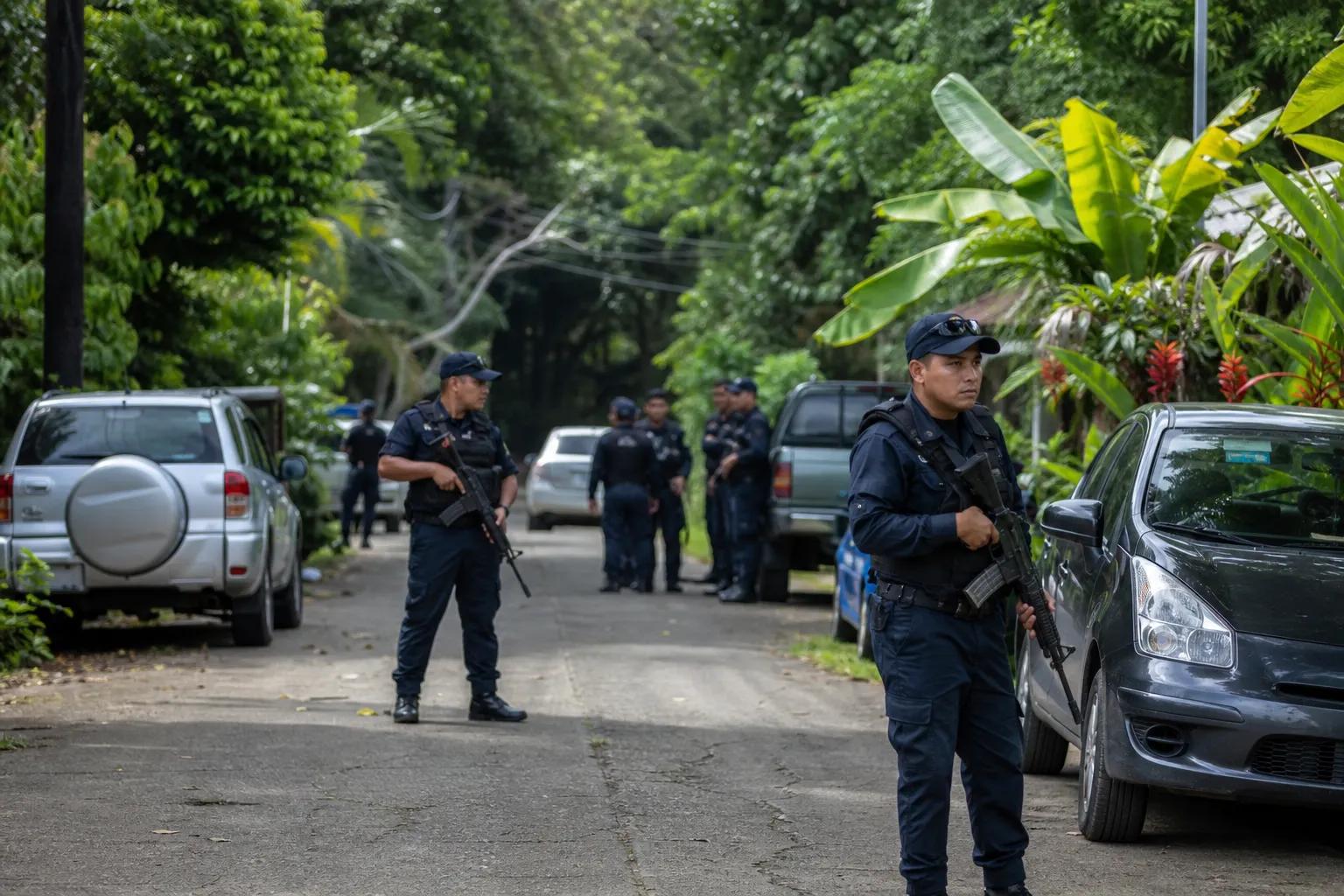
No plans, but legal path
Costa Rican President Laura Fernández said in a Reuters interview that U.S. ground operations on Costa Rican soil would be "very beneficial for national security" if they pursued a common objective against transnational crime, transnational drug trafficking or transnational terrorism.
Fernández also stressed that "nothing concrete is under way" and that any such deployment would require approval from Costa Rica’s Legislative Assembly.

The Reuters interview placed the remarks against a backdrop in which U.S. Defense Secretary Pete Hegseth told reporters in Panama on August 13 that Washington intends to extend its campaign against alleged drug traffickers from international waters onto land.
Reuters said Costa Rica cooperates with the United States on security for years, principally through joint maritime patrols against drug trafficking, and that any move from maritime cooperation to boots on the ground would run into the Constitution.
The Tico Times said Article 121, subsection 5 gives the Legislative Assembly the exclusive power to grant or withhold consent for foreign troops to enter national territory and for warships to remain in ports and airfields.
Parliament math and court fight
Reuters reported that authorization would require a qualified majority of 38 of the Assembly’s 57 deputies, and that Fernández’s Pueblo Soberano party holds 31 seats. The Tico Times said Fernández told Reuters she is not considering asking Congress for a state of emergency or the suspension of constitutional guarantees, a possibility she had raised during her campaign. In the same Reuters interview, Fernández used much of the conversation to renew her confrontation with the judiciary, saying she has been highly critical of how slowly the courts move and of cases where judges released convicted offenders well before their sentences were served.
Devdiscourse quoted Fernández saying, "I've been very critical of how slow the courts are, very critical in specific cases where judges release convicted criminals long before their sentences are complete," as the dispute centered on the judiciary’s role and funding. Devdiscourse added that Fernández has backed significant budget cuts to the judicial branch and supports a legislative proposal to have Congress, rather than the Supreme Court, appoint the attorney general.

Homicides, coalition, and next steps
The Tico Times said data from the Judicial Investigation Agency cited in the interview recorded 381 homicides in the first half of 2026, a decline of 14 percent from the same period in 2025. Fernández’s remarks also referenced Costa Rica’s security cooperation with the United States through the Shield of the Americas coalition, which Reuters said was announced by President Donald Trump and formalized at a Miami summit on March 7. The Tico Times said the question of foreign troops is now circulating beyond a hypothetical scenario, because it would run through the same Assembly session calendar as the judicial budget fight already under way.
Devdiscourse reported that Fernández said she is not considering requesting from Congress a state of emergency or suspending constitutional guarantees, while noting that homicides are declining. Devdiscourse also said Judicial officials denied corruption allegations and argued that budget cuts planned for 2026 and 2027 would weaken democratic checks and the capacity to fight organized crime.