USA05 September, 20263 min read
U.S. Strikes Three Iranian Oil Tankers After IRGC Ballistic Missiles Target U.S. Warships
This article is an automated aggregation of coverage from news outlets. Our editorials offer in-depth analysis curated by the NewsCord team.
US forces struck three Iranian oil tankers after IRGC missiles targeted two US warships. CENTCOM says two tankers permanently disabled and one completely destroyed; near Kharg Island and Jask.
21 outlets told this the same way.
Reuters was read line by line by the Watchdog: 4.8. See the score →
Tankers hit after missile salvo
U.S. forces struck three Iranian oil tankers on Saturday after Iran’s Islamic Revolutionary Guard Corps launched ballistic missiles toward two U.S. Navy warships, with U.S. Central Command saying it “permanently disabled” M/T Downy off the coast of Iran’s Kharg Island and M/T Stark 1 near Jask.
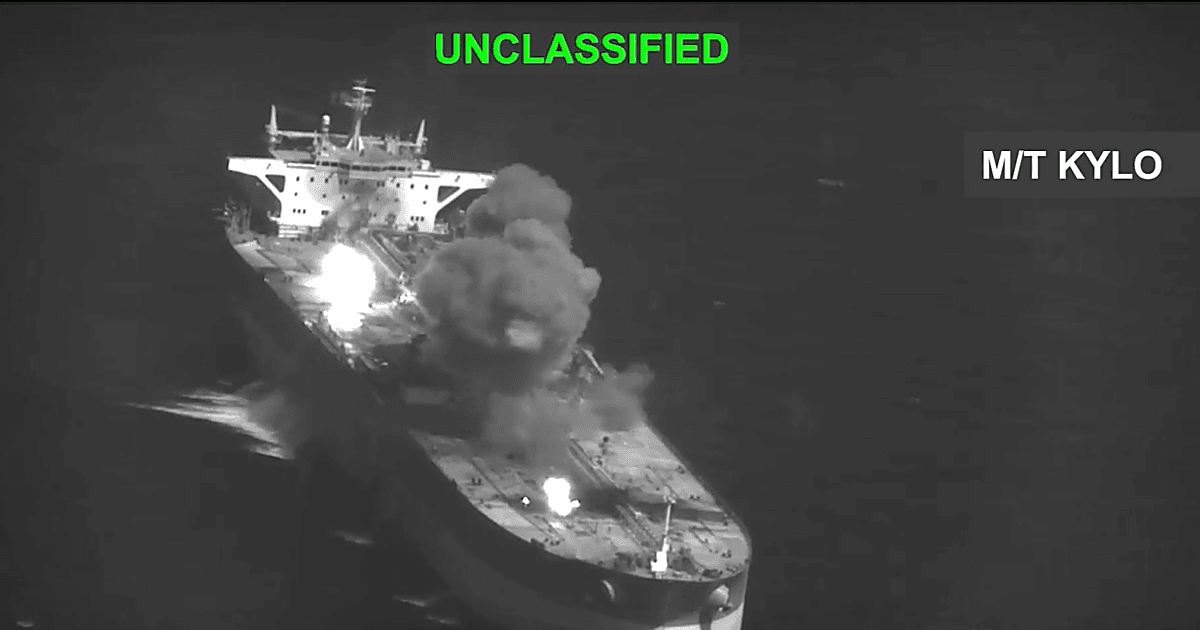
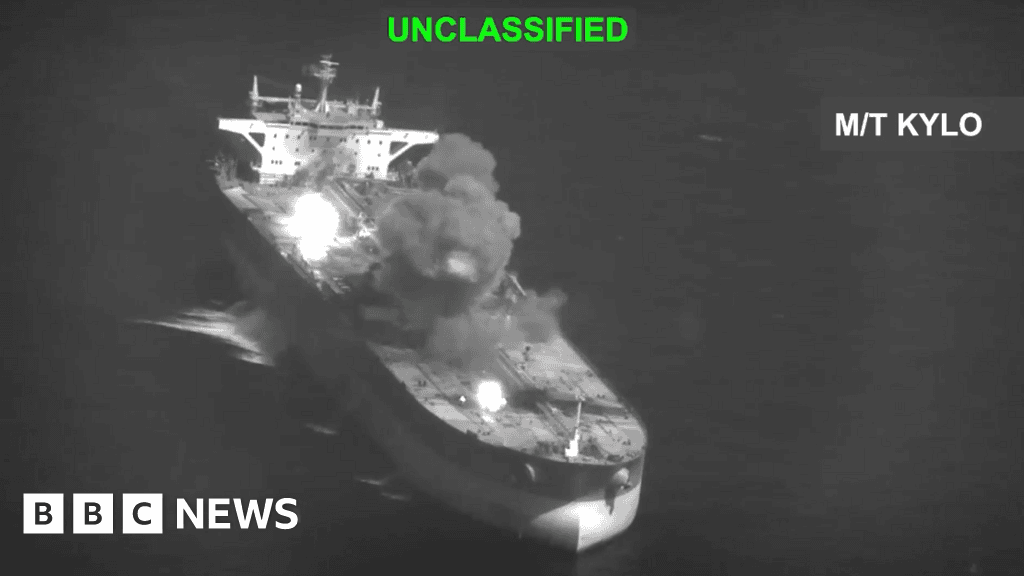
CENTCOM also said the unladen crude oil carrier M/T Kylo (also known as the Noxen) was “completely destroyed” in the Gulf of Oman after the crew was told to abandon ship, and it added that no American personnel were harmed.
The strikes were described by CENTCOM as part of a “multibillion-dollar shadow network” that funds the IRGC and its regional proxies, and Admiral Brad Cooper said, “Let the message to the IRGC be clear: If you shoot at two of our ships, we will impose an even higher economic cost - taking out three of yours.”
Iran’s state TV said four U.S. missiles struck a tanker about six miles (10km) from Kharg Island, and CENTCOM said the three tankers were targeted after the IRGC launched ballistic missiles toward two U.S. Navy warships patrolling regional waters.
Iran warns of escalation
After the U.S. statement, Iran’s joint military command warned that strikes against U.S. military ships would be more severe if the U.S. continued to interfere with Iranian shipping, as the state broadcaster reported. Reuters said Iran responded by threatening intensified strikes against U.S. military vessels, quoting Iran’s military command: "If the evil, insecurity and harassment of Iranian ships and the naval blockade of Iran continue, the strikes" would be more severe and could be expanded.
The BBC reported that Iranian state media outlet IRIB said there were no casualties in the attack on the tanker near Kharg Island and that footage indicated the vessel’s cooling system put out the fire within an hour. The BBC also said CENTCOM claimed it “successfully evaded” multiple attacks from the IRGC targeting a U.S. aircraft carrier and guided-missile destroyer, and it quoted Admiral Brad Cooper saying, “If you shoot at two of our ships, we will destroy (and sink) their oil tankers.”
Kharg, sanctions, and costs
Kharg Island was described as Iran’s key oil export hub, with Reuters saying the strikes were carried out including one off the coast of Kharg Island, and it noted that Kharg Island has been repeatedly targeted during the war. NBC News said Kharg Island is a tiny but strategic island 15 miles off the coast of Iran in the Persian Gulf and plays a central role in the country’s oil industry, while it also said U.S. strikes on the island in March deliberately spared its oil infrastructure.
Reuters reported that Trump said on August 31 in a one-line social media post accompanied by an AI-generated video that Kharg Island was being "blown to smithereens," and it said a U.S. attack on Kharg would further pressure Iran’s oil industry and its wider economy amid a U.S. naval blockade of Iranian oil exports that began in mid-April. The BBC added that a 60-day ceasefire between the U.S. and Iran formally expired last month, and it said the conflict in the strait has raised energy prices globally, with the U.S. midterm elections in November bringing pressure over how much the war is costing American consumers.