Iranupdated 1h ago3 min read
Iran’s IRGC Spokesman Hossein Mohebi Warns Seven Strait Of Hormuz Internet Cables
This article is an automated aggregation of coverage from news outlets. Our editorials offer in-depth analysis curated by the NewsCord team.
IRGC spokesman Mohebi warned seven major undersea cables through Hormuz could become Iran's targets. Threat could jeopardize global internet connectivity and Gulf energy links.
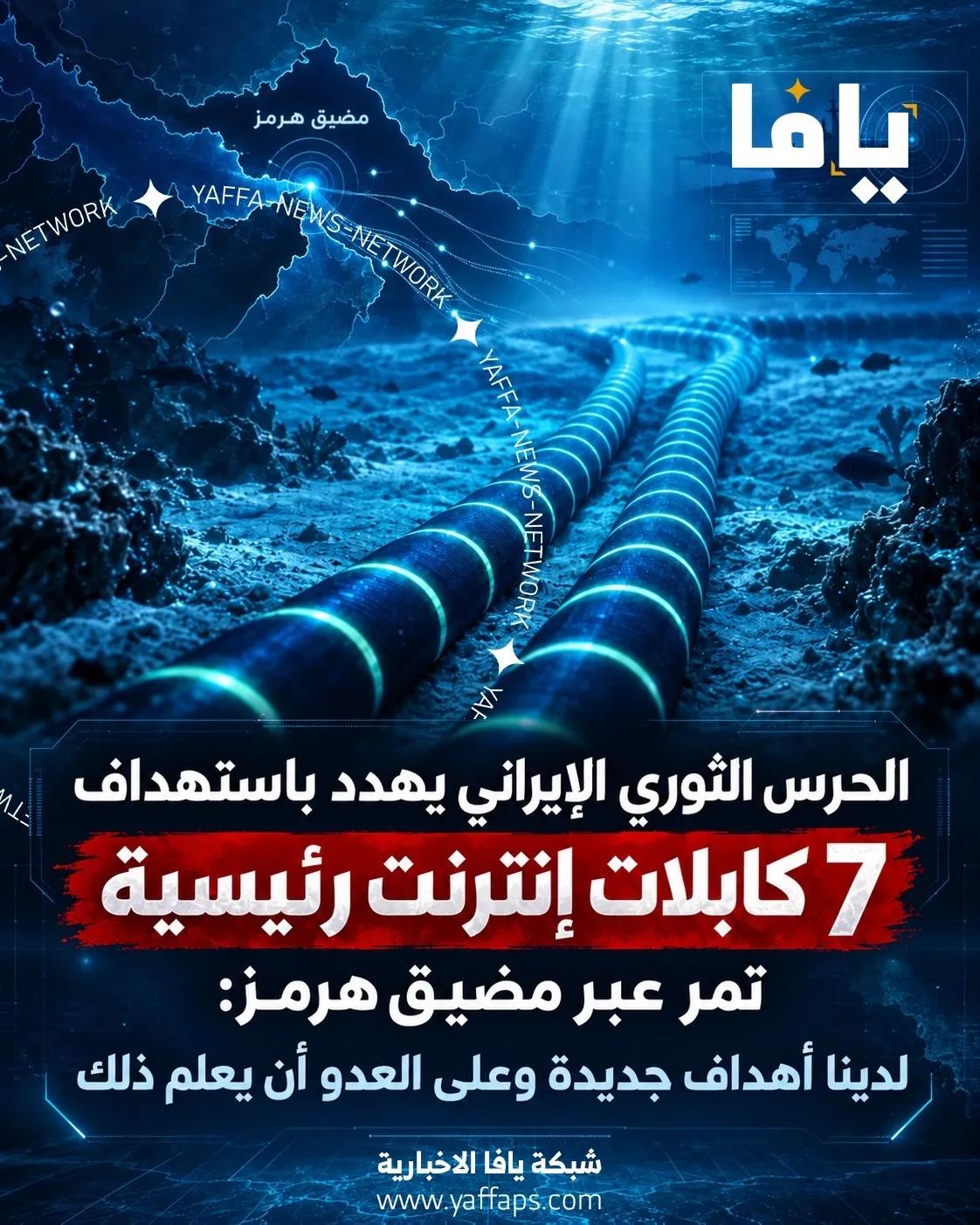
10 outlets told this the same way.
Outlets did split on Iran’s IRGC Navy Mines Halt Two Tankers And Set Them Ablaze In Strait Of Hormuz →
Shared framing
Four headlines frame Iranian statements as warnings about Hormuz undersea cables. Others report reactions or possible consequences; none establishes an attack or confirmed operational plan.
4 of 14 outlets · 4 of 14 headlines analysed
Includes live coverage, reporting.
- Nessma TV
Threats against internet cables in Strait of Hormuz
- teleSUR
plantea presionar con cables submarinos de internet
- شبكة يافا الإخبارية
Threatens to Target Internet Cables Beneath Strait of Hormuz
See the headlines
Iranian warnings about undersea cables in Hormuz
Four selected headlines describe Iranian threats, warnings or stated pressure involving submarine internet cables in Hormuz. The wording varies; this compares headlines about statements and does not establish an attack or confirmed operational plan.
- Nessma TVReporting · OngoingIran: Threats against internet cables in Strait of Hormuz
- teleSURReporting · OngoingIrán plantea presionar con cables submarinos de internet en el estrecho de Ormuz
- شبكة يافا الإخباريةReporting · OngoingIran Threatens to Target Internet Cables Beneath Strait of Hormuz, Says It Has “New Targets”
- Radio Free Europe/Radio LibertyLive coverage · OngoingIran Repeats Threat To Target Undersea Fiberoptic Cables
All 14 analysed headlines
- Nessma TVReporting · OngoingIran: Threats against internet cables in Strait of Hormuz
- teleSURReporting · OngoingIrán plantea presionar con cables submarinos de internet en el estrecho de Ormuz
- - AJN Agencia de NoticiasReporting · OngoingIran threatens to affect Internet connections worldwide
Translated headline (es).
Irán amenaza con afectar las conexiones de Internet a nivel mundial
- DiarioBitcoinReporting · OngoingIran warns about Hormuz submarine cables and adds a geostrategic risk for Bitcoin and oil
Translated headline (es).
Irán advierte sobre cables submarinos de Ormuz y suma un riesgo geopolítico para Bitcoin y el petróleo
- شبكة يافا الإخباريةReporting · OngoingIran Threatens to Target Internet Cables Beneath Strait of Hormuz, Says It Has “New Targets”
- Vietnam.vnReporting · OngoingIran downs another US MQ-9 drone and warns of attacks against internet submarine cables in Hormuz.
Translated headline (es).
Irán derriba otro dron estadounidense MQ-9 y advierte de ataques contra los cables submarinos de internet en Ormuz.
- BBCReporting · Reactionالتهديد الإيراني باستهداف كابلات الإنترنت في هرمز يُثير تفاعلاً واسعاً على مواقع التواصل الاجتماعي
- شبكة تواصل الإخباريةReporting · Ongoingالحرس الثوري الإيراني يهدد باستهداف 7 كابلات إنترنت في مضيق هرمز
- MasrawyReporting · OngoingIranian escalation in the Strait of Hormuz.. a threat to strike seven Internet cables
Translated headline (ar).
تصعيد إيراني جديد في مضيق هرمز.. تهديد باستهداف 7 كابلات للإنترنت
- httpsAnalysis · OngoingIran Threatens Hormuz Cables That Vision 2030 Depends On
- Radio Free Europe/Radio LibertyLive coverage · OngoingIran Repeats Threat To Target Undersea Fiberoptic Cables
- العربي الجديدReporting · OngoingIran hints at targeting submarine cables in the Strait of Hormuz
Translated headline (ar).
إيران تلمّح لاستهداف الكابلات البحرية في مضيق هرمز
- The Times of IndiaReporting · OngoingIran Threatens Global Blackout If U.S. Resumes War; Hormuz Undersea Cables At Risk
- Al-Jazirah NetReporting · ReactionCentral Command spokesperson: Hormuz is open and we will not discuss future operations regarding the cables
Translated headline (ar).
المتحدث باسم القيادة المركزية للجزيرة: هرمز مفتوح ولن نناقش عمليات مستقبلية بشأن الكابلات
Counts describe this collection. One headline may support more than one angle.
Analysed 20 Oct 2026.
Reviewed by Codex validator (AI) · 20 Oct 2026
Hormuz cables become targets
Brigadier General Hossein Mohebi, the spokesman for Iran's Islamic Revolutionary Guard Corps (IRGC), warned that seven highly important cables pass beneath the Strait of Hormuz and he said, "We remind them of this so that the enemy knows." Mohebi posted an image showing a missile alongside the message, "The world will see what will happen," as Iran framed submarine cable infrastructure as a new pressure point in its confrontation with the United States. Mohsen Rezaee, secretary of Iran's Supreme National Security Council, said that if hostilities resume, the region's digital infrastructure valued at $2 trillion could fall within Iran's reach.
Rezaee added, "If war breaks out again, the numerous submarine cables, data centers, and artificial intelligence facilities in the region, valued at $2 trillion, will be within our reach," tying the cable warning to a broader set of targets. Andreas Krieg of King's College London warned that this type of infrastructure is "difficult to protect continually," while the International Cable Protection Committee said in May that the bandwidth traversing Hormuz accounts for less than 1 percent of worldwide international bandwidth.
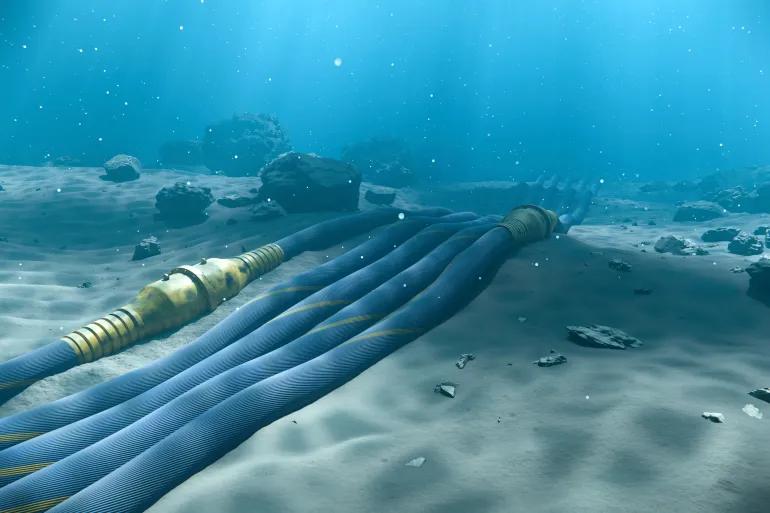
US says strait is open
Tim Hawkins, a US Central Command spokesperson, told Al Jazeera that the Strait of Hormuz is fully open and safe for ships to pass, and he said Washington and its regional partners control it. Hawkins declined to answer questions about protecting Internet cables in the Strait of Hormuz and he said, "I will not discuss any potential future operations," because revealing details would not serve the security or safety of the forces. Hawkins also said 95% of the ships that attempted to cross the strait in recent weeks and months were able to pass safely and without incidents, while he rejected the Iranian narrative that incidents were due to sea mines.
Hawkins attributed damage to ships to attacks with Iranian projectiles and he said the US military is present in the region, having undermined the capabilities of the Revolutionary Guards. In parallel, the IRGC spokesperson Hossein Mohebi told Iran's state television that seven major internet cables run beneath the Strait of Hormuz and that they "could become Iran's new targets."

Digital infrastructure at stake
Mohsen Rezaee warned that if war breaks out again, submarine cables, data centers, and artificial intelligence facilities valued at $2 trillion would be within Iran's reach, framing the cable threat as part of a wider escalation. Hossein Mohebi said on October 19 that there are seven big fiberoptic cables under the Persian Gulf and Strait of Hormuz, and he said Tehran would reveal "new weapons" and "new targets" if there is renewed aggression. The Radio Free Europe/Radio Liberty account said the cables carry SWIFT transactions, cloud traffic, and general Internet data between Asia, Europe, and the Persian Gulf, and it warned that severing them would have immediate and wide-ranging impact.
The Vietnam.vn report said the IRGC warned that internet submarine cables in the Strait of Hormuz could become targets for Iran if a conflict with the United States resumes, and it quoted Mohebi saying, "Seven major submarine cables currently cross the Strait of Hormuz, serving global internet operations and commercial data transmission, and could become the next targets,". As the standoff continues, the AJN Agency account said Iran presented a proposal that contemplates reopening the Strait of Hormuz and a series of conditions linked to U.S. sanctions and the Iranian nuclear program, while Washington publicly rejected some of the terms and indirect talks progressed little.