Iranupdated 1h ago2 min read
Iran Foreign Ministry Spokesman Ismail Qāri Says US Message Is Insufficient
This article is an automated aggregation of coverage from news outlets. Our editorials offer in-depth analysis curated by the NewsCord team.
US response to Hormuz opening proposal described as inadequate and insufficient by Iran. Iran blames Washington for ongoing insecurity in the Strait of Hormuz and Gulf.

6 outlets told this the same way.
PressTV was read line by line by the Watchdog: 0.0. See the score →
Hormuz response rejected
Iran’s Foreign Ministry spokesman Ismail Qāri, also identified as Ishmael Baqi, said Tehran has not received a sufficient US message regarding its demands to end the war and that Iran continues to move forward with the seven demands it previously proposed. Baqai said the ball is now in the American court to decide whether to respond to demands that include lifting the naval blockade and stopping the war on all fronts. Baqai said Iran conveyed to the American side, via Qatar, what it views as serving its national interests, and he said the Iranian demands were clearly worded and included in the Islamabad Agreement.
Baqai added that Tehran does not separate diplomatic efforts from defensive preparations, and he said abandoning diplomacy could give the other party an excuse to claim Iran was not serious about avoiding war. Baqai also addressed Russian Foreign Minister Sergei Lavrov’s visit to Tehran, saying it comes within the framework of ongoing consultations between the two countries covering bilateral, regional, and international issues, as well as the nuclear file.

Diplomacy tied to defense
Foreign Ministry spokesman Esmaeil Baghaei said, “The hit-and-run era is over,” and he added, “We have demonstrated in practice that we will not leave any attack unanswered.”
Baghaei said Tehran had conveyed its demands to Washington through Qatar, but he considered the response insufficient, and he said, “Our demands were clear. The message received from the United States was insufficient.”
Baghaei said the Islamic Republic continued to pursue the same “seven conditions,” and he listed them as “an end to the war on all fronts, the release of our frozen funds, and an end to the naval blockade.”
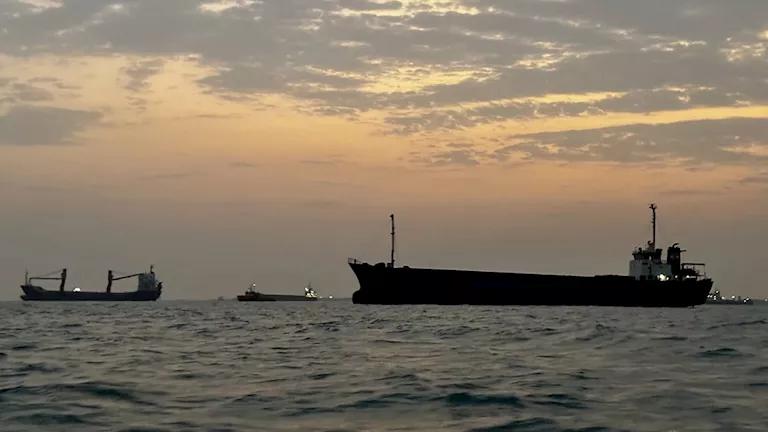
Baghaei rejected allegations that Iran sought dominance over the Strait of Hormuz, and he said, “Regional countries have witnessed that the US military presence does not create security. On the contrary, it creates insecurity.”
Baghaei said Iran opposed including Yemen-related items in the Organization of Islamic Cooperation final communique, and he said Tehran succeeded in preventing the inclusion of two specific points.
Regional consultations and stakes
Iran’s Foreign Ministry spokesman Esmaeil Baghaei said diplomacy is part of defense, and he argued that the battlefield and the diplomatic arena should not be separated. Baghaei said, “If we hesitate to pursue diplomacy, they will say you were not serious and chose war,” and he added that if diplomacy could prevent escalation, Iran would pursue it. Baghaei said Iran has not retreated from its principled positions because they align with Iran’s national interests, and he said Lavrov’s visit comes within the framework of ongoing consultations between the two countries.
Baghaei said, “We have not entered negotiations with the American side,” and he described the era of “blows and escapes” as over, saying attacks on Iran will not go without a response. Baghaei said Iran opposes including Yemen-related items in a statement by the Organization of Islamic Cooperation, and he said Iran “prevented the inclusion of two specific items about Yemen.”