Full story
Pilot zones in southern Lebanon
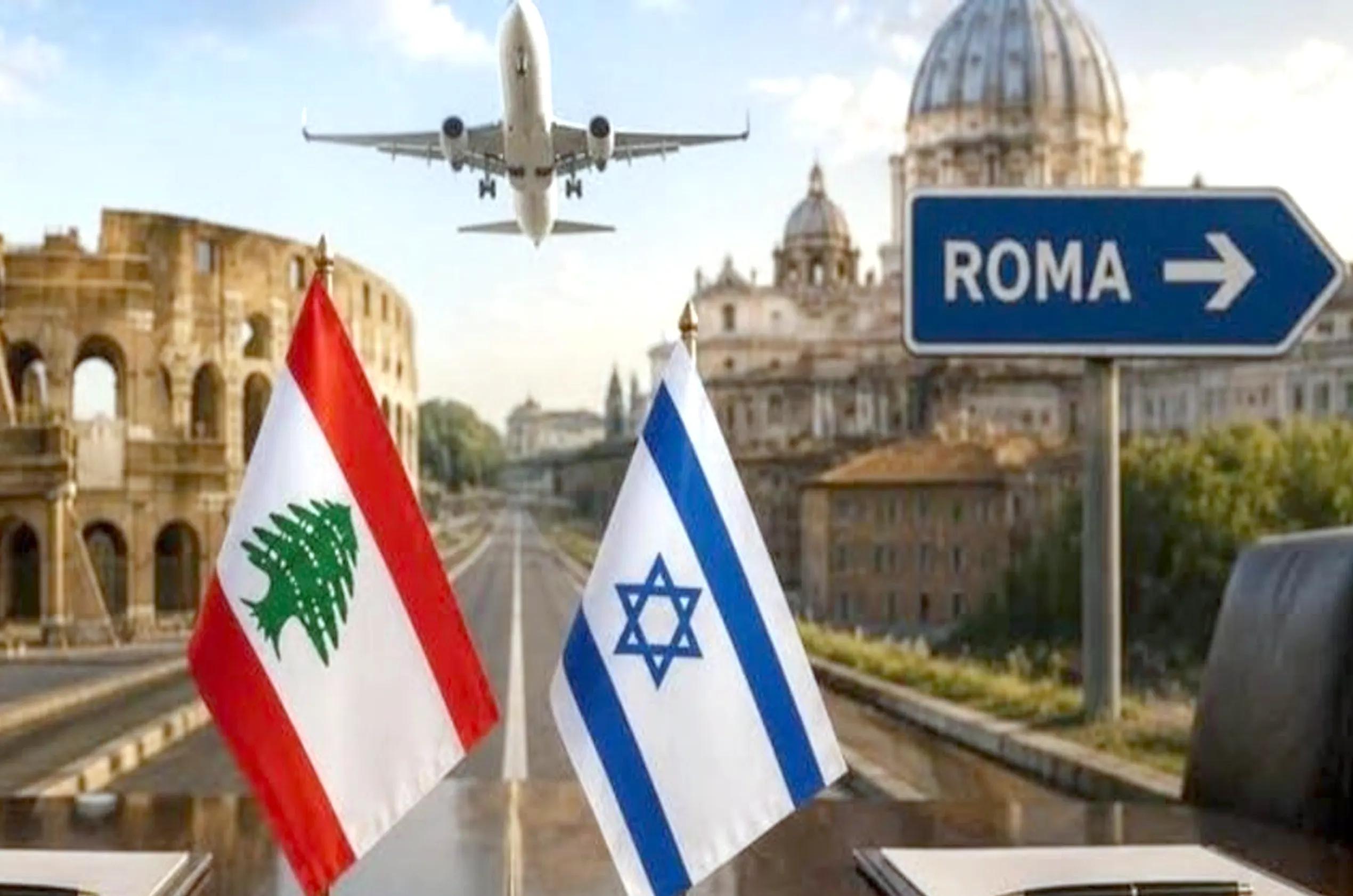
Lebanon and Israel agreed that Israeli forces will begin withdrawing from pilot zones in southern Lebanon in the coming days, with the Lebanese army deploying to the vacated areas, a U.S. State Department official said Wednesday.
Haaretz reported the step as the first concrete move toward implementing a U.S.-brokered framework aimed at ending Israel's military presence in the country, after two days of U.S.-mediated talks in Rome.

Kurdistan24 said the Rome negotiations followed a framework agreement reached last month after five rounds of talks in Washington, and that the delegations agreed on the structure and guidelines for the pilot zone process expected to be finalized and implemented in the coming days.
The AP account said the talks were “productive” and that the parties “agreed on the structure and guidelines for the pilot zone process, to be finalized and implemented in the coming days,” while noting there was no immediate statement from Lebanon or Israel on the outcome.
The framework deal, described by AP as laying out a plan for Israeli forces to withdraw from southern Lebanon in exchange for the disarmament of the Iran-backed Hezbollah militant group, was announced on June 26.
Quotes, objections, and diplomacy
Hezbollah rejected the framework, while Israeli officials insisted their forces will remain in a 10-kilometer (six-mile) security zone along the border for as long as Hezbollah remains armed, according to Kurdistan24.
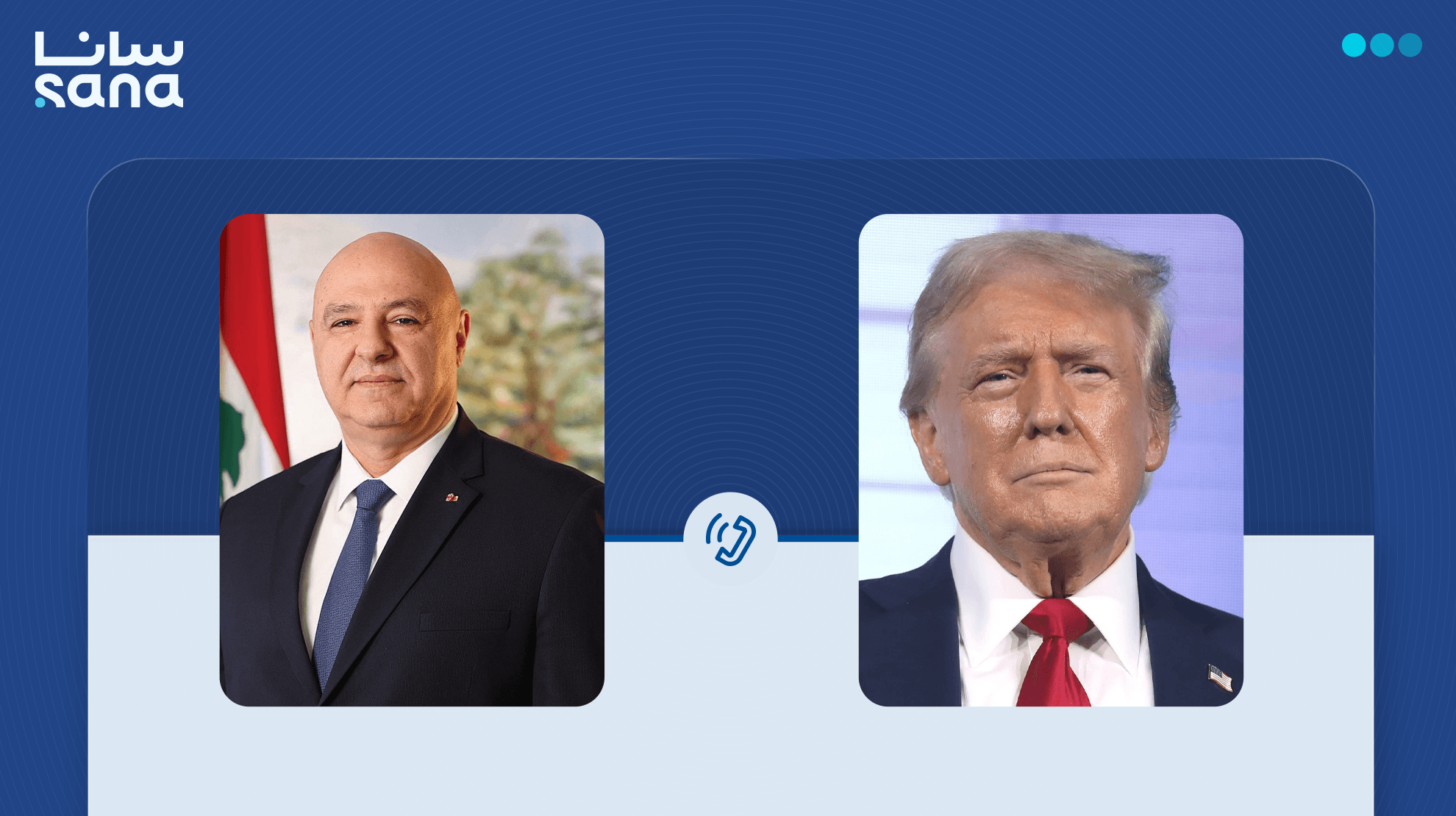
In a statement ahead of the Rome talks, Lebanese President Joseph Aoun said instructions had been given to the Lebanese delegation “to demand the immediate withdrawal of Israeli forces from the two pilot zones before any further discussions.”

The Jerusalem Post quoted an Israeli official saying the talks “further reinforced that both countries were in agreement on the need to dismantle and disarm Hezbollah,” and it also cited a U.S. official describing the two days as “productive and positive.”
AP reported that following implementation of the pilot zones, “we will move to expanded technical talks ... with the aim of reaching a comprehensive agreement between Israel and Lebanon,” while also saying Hezbollah has said it will not abide by the agreement and has no plans to disarm.
The U.S. State Department described the Rome talks as “productive” in its statement, while AP noted that there was no immediate statement from Lebanon or Israel on the outcome of the negotiations.
What comes next and what’s at risk
The U.S.-brokered framework described by AP envisions two “pilot zones” where the Israeli military is to turn over control to the Lebanese army, which would clear the areas of any Hezbollah presence, as implementation had stalled ahead of the Rome talks.
AP said the Lebanese government aimed to keep the two tracks separate by negotiating a ceasefire directly with Israel, while Hezbollah and Iran had sought to link the end of the war in Lebanon to the outcome of broader U.S.-Iran talks.
Kurdistan24 said the framework aims to end the state of war between Israel and the Iran-backed Hezbollah group by establishing pilot security zones in southern Lebanon, deploying Lebanese troops to the area, facilitating the disarmament of Hezbollah, and gradually withdrawing Israeli forces.
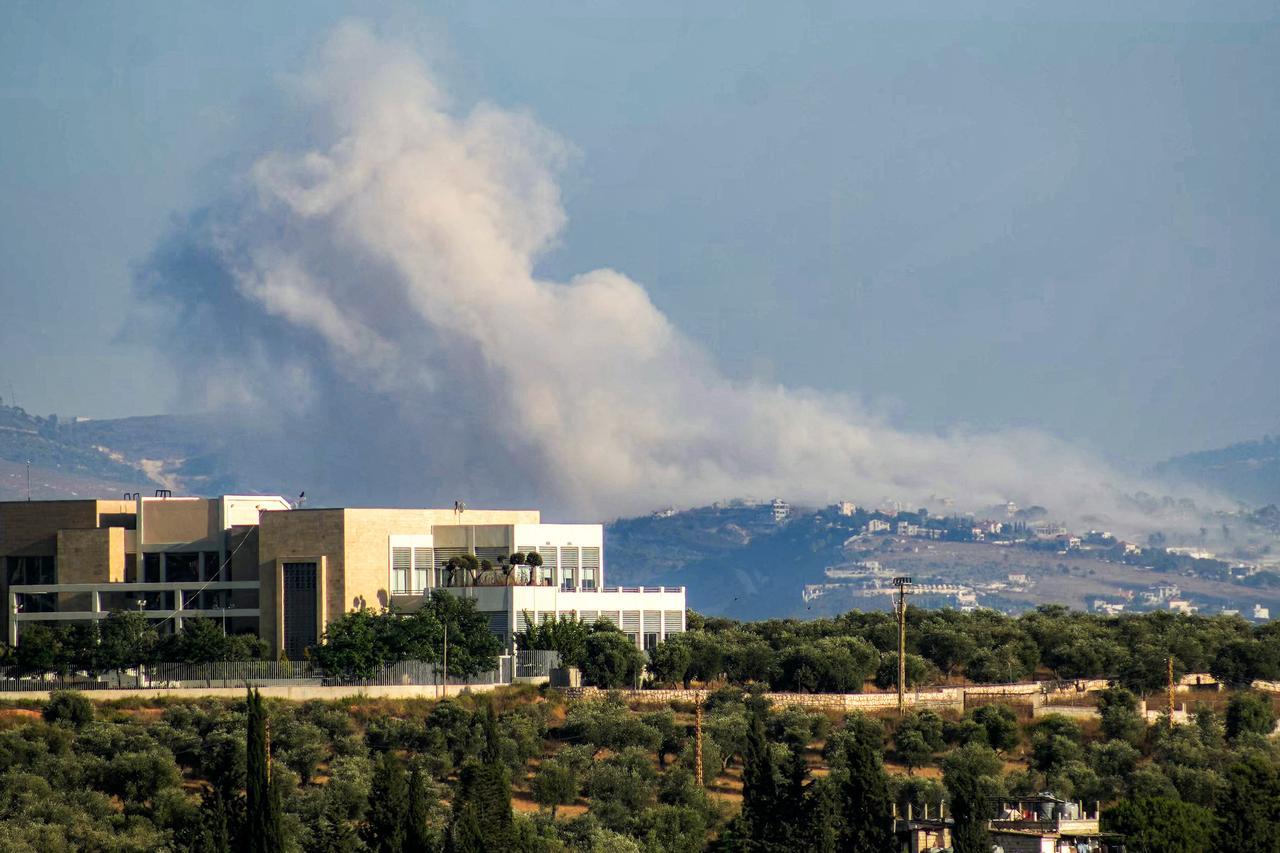
In parallel, Arab News reported that Israel said it killed three Hezbollah members in the area of Beit Yahoun, located within the Security Zone in southern Lebanon, and said the IDF eliminated the three terrorists “in order to remove the threat posed to IDF soldiers operating nearby.”
The AP report also said U.S. President Donald Trump, in an interview with Fox News, said he wants to see Israel withdraw or “redeploy” forces from Lebanon and from a strip it is occupying in southern Syria, adding “We have to focus our energy on the big leagues. The big leagues are Iran.”