Lebanon22 June, 20263 min read
Lebanon Families Return to Southern Areas as UN Reports 4,100 Killed Since March 2
This article is an automated aggregation of coverage from news outlets. Our editorials offer in-depth analysis curated by the NewsCord team.
US-Iran talks aim to cement a Lebanon truce, with Switzerland and Washington as venues. Lebanon toll from the war exceeds 4,100 dead and 12,100 injured.
Tehran Times was read line by line by the Watchdog: 4.4. See the score →
Return Home, Rising Toll
Families displaced by months of hostilities in Lebanon are beginning to return to southern parts of the country as the UN says some are returning directly to their communities while others move closer to home and wait for conditions to improve. UN spokesperson Stéphane Dujarric said, "Families displaced by months of hostilities are starting to return to southern areas, despite widespread destruction, damaged infrastructure and limited access to basic services," as he described ongoing uncertainty for many households. The Ministry of Public Health reported 83 people killed and 141 injured on 19 June alone, and OCHA said that since the escalation of hostilities on 2 March more than 4,100 people have reportedly been killed and over 12,100 injured across Lebanon.
OCHA also said the UN continues to call for the protection of civilians, sustained humanitarian access, and conditions that allow displaced families to return home voluntarily, safely, and with dignity. In parallel, the Pope visited the World Food Programme headquarters in Rome and called access to adequate food a "fundamental human right" during a period of mounting humanitarian need.

Ceasefire Under Strain
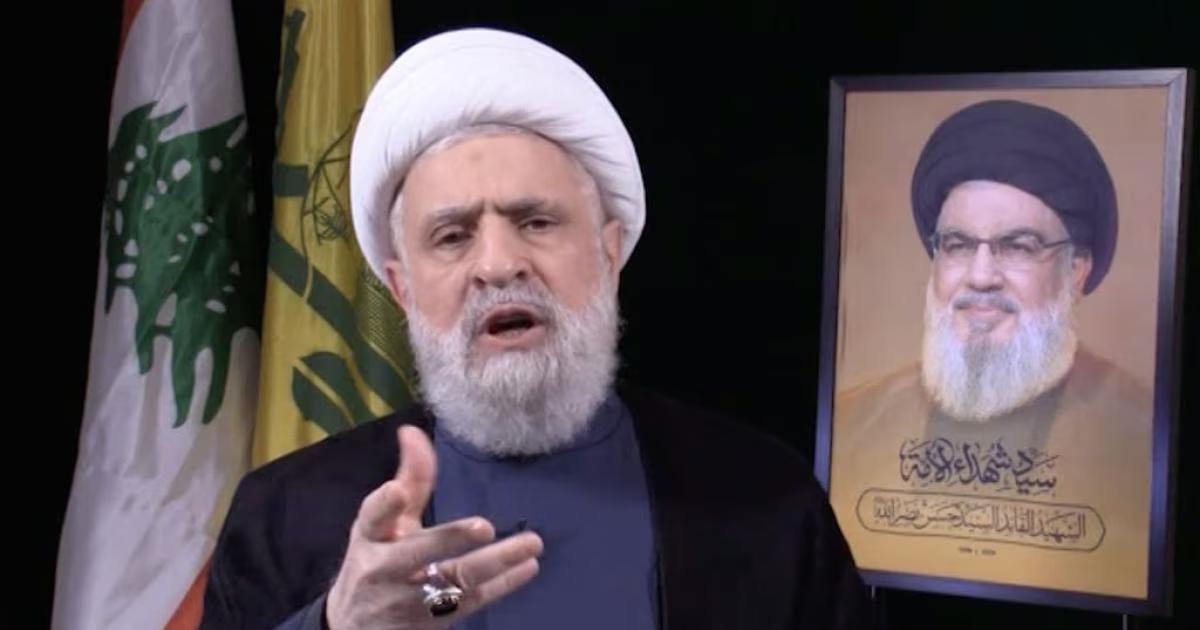
Israeli strikes in Lebanon continued despite a renewed ceasefire taking effect on Friday, with Al Jazeera reporting that the day included civilians among those killed and wounded in southern Lebanon. Lebanese Health Ministry figures cited by Al Jazeera said Israeli attacks since March 2 have killed at least 4,057 people and wounded 12,121, and Al Jazeera’s Rob McBride said the numbers "does point to the shaky nature of this ceasefire". Hezbollah Secretary-General Naim Qassem rejected any future ceasefire that would grant Israel "freedom of movement inside Lebanese territory," saying such a condition would legitimize aggression under de-escalation.
Qassem said the concept of a ceasefire requires "a complete halt to Israeli military operations in the air, land, and sea," and he rejected Israeli talk of security zones or buffer zones inside Lebanon’s borders. The Al Jazeera report also said Israeli strikes killed 16 people and wounded 12 in Nabatieh district in the country’s south on Saturday, according to Lebanon’s Civil Defence agency.
Negotiations, Sovereignty, Next Steps
Lebanon’s Foreign Affairs Minister Joe Rajji said stability can only be restored if the state assumes responsibility for negotiations, adding that "Lebanon has taken a courageous decision by engaging in a negotiation process" during meetings in Amman. Rajji said the aim of negotiations is "a permanent cease-fire and ensure Israel’s complete withdrawal from the occupied Lebanese territories," and he tied long-term stability to extending state sovereignty so that weapons are held exclusively by the Lebanese Armed Forces. In the same reporting from Amman, Jordan’s Ayman Safadi reaffirmed Jordan’s "full support" for Lebanon’s decisions regarding the state’s monopoly on arms and emphasized extending state sovereignty over its entire territory.
The report also described a Pakistan-mediated track, with Pakistan’s ambassador to Lebanon Salman Athar telling ministers that "Pakistan, which believes in peace, will continue its efforts to promote peace and stability in the region," while Morcos said Lebanon welcomed assistance that could bring an end to the war. Meanwhile, the OCHA framing of the wider region included a call for increased and predictable funding and support for transitions beyond emergency aid, with Indrika Ratwatte urging the Security Council that "with more support, much more can be achieved."