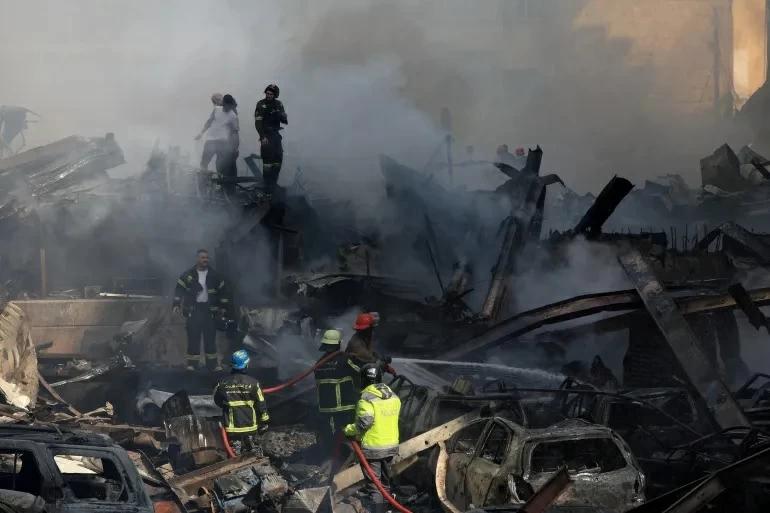
Lebanon Food Insecurity Crisis Hits 1.24 Million People After War And Lebanese Pound Collapse
Key Takeaways
- 1.24 million Lebanon residents face food insecurity due to war and pound collapse.
- Israeli strikes and regional escalation are causing civilian harm and humanitarian concerns.
- Escalation threatens regional economies and could push millions into poverty, per UNDP assessment.
Food crisis amid war
Lebanon’s food insecurity crisis is described as affecting 1.24 million people as a result of “the consequences of the war and the collapse of the Lebanese pound (lira),” with the report linking the outlook to World Food Programme classifications for April to August.
“For civilian populations, the ongoing fighting is fueling deep concerns, particularly among families already displaced or refugees, who fear that new violence will further degrade their already precarious living conditions”
The same source says more than a quarter of Lebanon’s population is threatened with a severe food shortage and could be classified as facing a “food crisis” extending to the possibility of entering a “food emergency.”

It attributes the earlier phase of food-price pressure to the collapse of the Lebanese pound against the US dollar, saying food prices rose by about 19,845 percent based on the Food and Non-Alcoholic Beverages Price Index issued by the Central Statistics Administration.
It then describes a second phase after the currency stabilized at 89,500 pounds per dollar, saying food prices rose by about 70 percent from summer 2023 until the end of last April according to the Food Price Index.
The report also says the latest war increased the number of people facing a food crisis in Lebanon to about 1.24 million after April 2026, “i.e., about a quarter of the population included in the analysis.”
Beirut fears escalation
Lebanon’s position in the regional conflict is framed as worsening fears of escalation, with one report saying the Israeli raid on the southern suburb came as a new round of confrontation between Iran and Israel unfolded and tensions rose between Beirut and Tehran.
The same account says Lebanon has become “at the intersection of three concurrent tracks,” naming “the military confrontation between Israel and Hezbollah,” “the open war between Iran and Israel,” and “the complex negotiations between Washington and Tehran.”

In a separate report, Lebanon said it feared Israeli attacks on civilian infrastructure in the event of a military escalation with Iran and Hezbollah’s involvement, and the Lebanese Foreign Minister Youssef Raggi told media outlets in Geneva, “There are signals indicating that the Israelis could strike very hard in case of escalation.”
That report adds that Raggi said on the margins of a session of the United Nations Human Rights Council, “We are currently pursuing diplomatic steps to request that, even in retaliation, Lebanese civilian infrastructure not be targeted.”
The same account describes a feared chain of reactions as “an American strike against Iran, a Hezbollah retaliation against Israel, then a massive Israeli response” against Lebanon, according to a Lebanese official who spoke on condition of anonymity.
Humanitarian and economic stakes
Humanitarian groups say regional escalation is already degrading living conditions for displaced families in Lebanon, with Action Against Hunger describing immediate priorities including shelter, access to basic services, food assistance, and emergency medical care.
The organization says it deployed emergency response mechanisms and conducted rapid assessments, and it describes mass displacement generating significant humanitarian needs across the country, particularly in Beirut and Mount Lebanon.
Action Against Hunger also says teams launched a multisectoral response to support displaced people housed in collective centers spread across nine governorates, including Hasbaya in Nabatieh Governorate, and it reports providing drinking water, establishing sanitation services, and distributing essential items.
In parallel, the UNDP assessment cited by UN News warns that the escalation could wipe out more than a year of economic growth in Arab countries and push up to 4 million additional people into poverty, while estimating conflict costs of between 3.7% and 6% of regional GDP.
The UNDP report also says unemployment could rise by as much as 4 percentage points, “i.e., 3.6 million jobs lost,” and it warns that the largest losses are expected in the Gulf countries and the Levant, which includes Lebanon, Syria, Palestine, and Jordan.
More on Lebanon
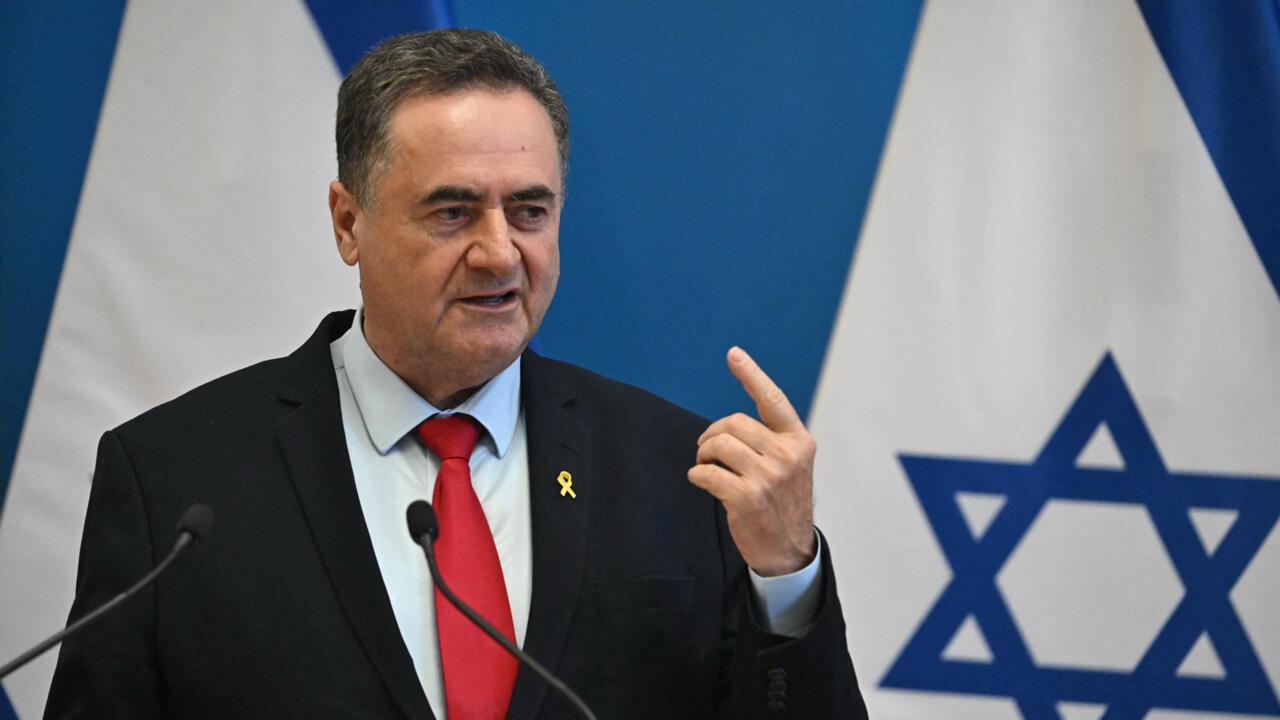
US Oversees Israel’s Phased Withdrawal From Lebanon Pilot Zone Ahead of Rome Talks
15 sources compared
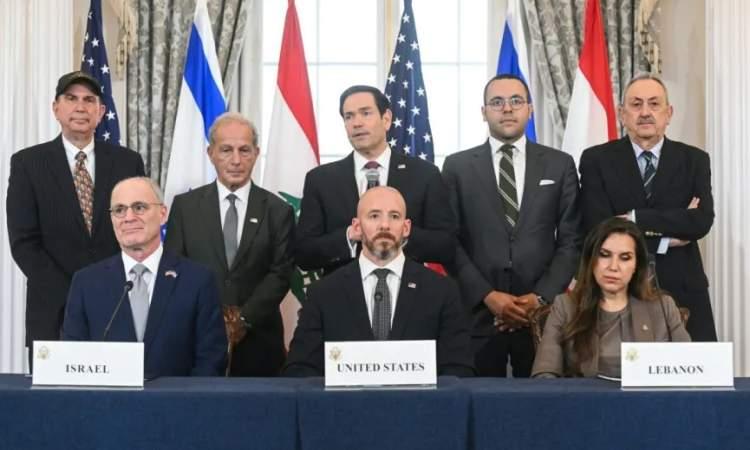
Hezbollah Rejects Israel-Lebanon Framework Agreement After Washington Talks With Marco Rubio
11 sources compared

Sheikh Naim Qassem Says Lebanon Framework Agreement Transfers Sovereignty From Zionist Regime
33 sources compared

Israeli Forces Withdraw From Dibin as Lebanese Army Opens Roads With UNIFIL
18 sources compared