Lebanon, Israel, and United States Announce Ceasefire After Hezbollah Withdrawal From South Litani River
Key Takeaways
- A ceasefire between Israel and Lebanon has been established.
- Washington-hosted negotiations produced the ceasefire involving Lebanon and Israel.
- The United States led talks that produced the accord.
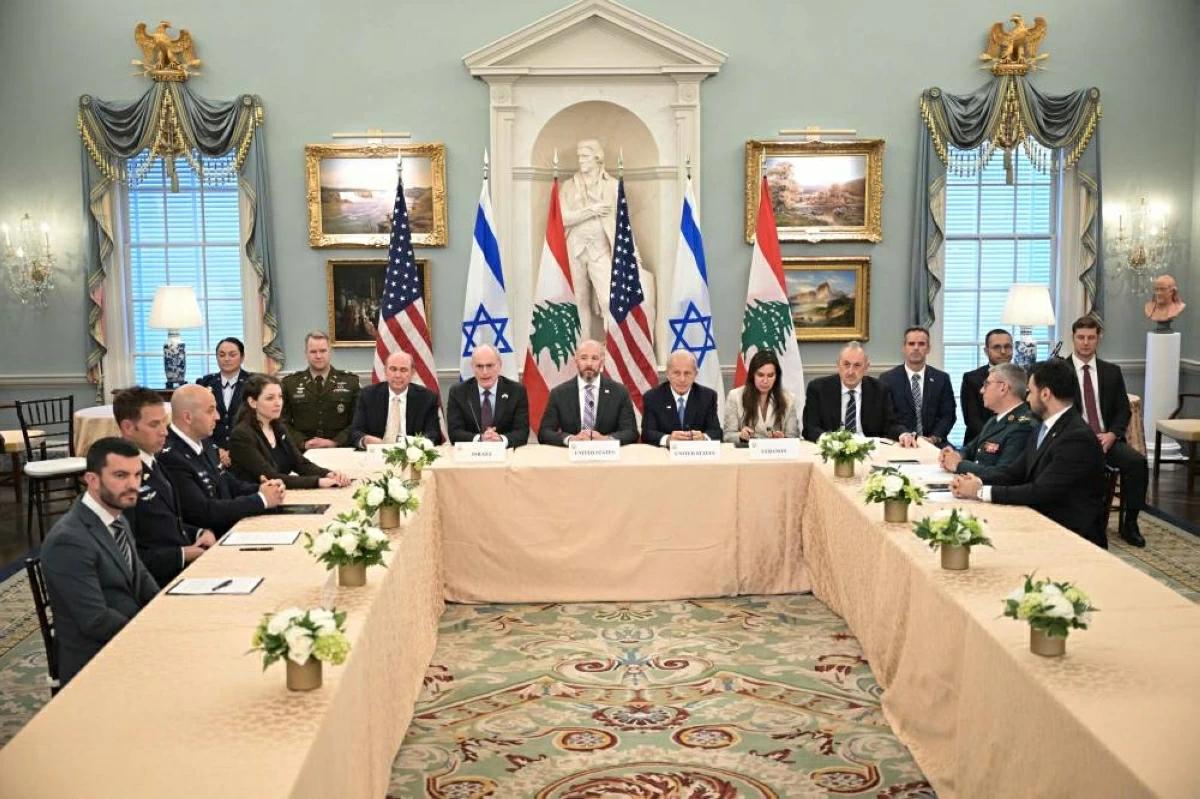
Ceasefire announced in Washington
Lebanon, Israel, and the United States issued a joint statement announcing a ceasefire after several rounds of negotiations held in Washington, with the U.S. Department of State saying the talks were led by the United States.
“BEIRUT — Ahead of a planned White House meeting later this month, President Joseph Aoun said he had a "good" 17-minute phone call with U”
The joint statement said the entry into force of the ceasefire is conditional on Hezbollah’s commitment to a complete cessation of hostilities and the withdrawal of all its elements from areas south of the Litani River, and it also called for experimental zones where the Lebanese army would have exclusive control while excluding armed groups not affiliated with the state.
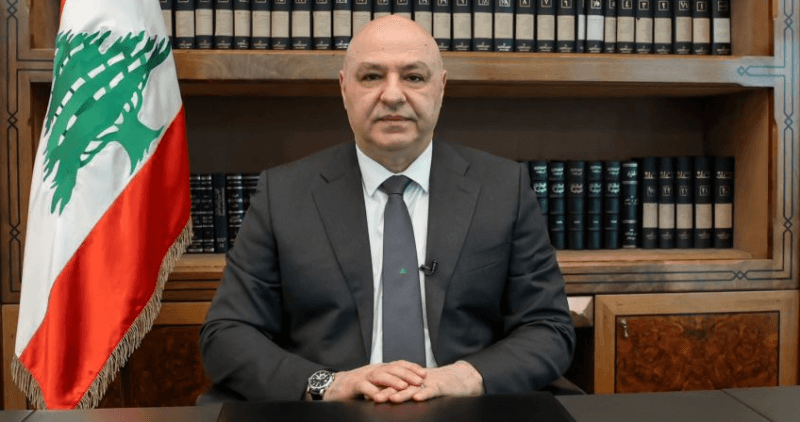
Lebanese President Joseph Aoun said on Thursday that the ceasefire would take effect within 24 hours of the agreement by all involved parties, while Israeli Defense Minister Yisrael Katz said the army would continue strikes in Lebanon for now and would not withdraw from the south.
The ceasefire announcement came after Israeli airstrikes killed at least six people in southern Lebanon, according to the same report.
Aoun rejects Netanyahu meeting
Ahead of a planned White House meeting later this month, President Joseph Aoun said he had a "good" 17-minute phone call with U.S. President Donald Trump on June 28, during which they agreed on several issues to discuss further in Washington.
In an interview with an-Nahar, Aoun said his planned visit would help consolidate the framework agreement with Israel and prepare for the launch of a "military project" in South Lebanon under the supervision and with the direct support of the United States.

Aoun ruled out a meeting with Israeli Prime Minister Benjamin Netanyahu, assuring that he "is not considering it" and saying he would immediately leave if he found himself in the same room as Netanyahu.
The framework agreement concluded in Washington between Lebanon and Israel aims to end the conflict between Hezbollah and Israel and provides for the withdrawal of Israeli forces from two "pilot zones" in occupied south Lebanon and their transfer to the Lebanese Army, while it does not set a timetable for this withdrawal and makes it conditional on the verified disarmament of Hezbollah.
Monitoring, committees, and stakes
The report said the "Mechanism" committee tasked with monitoring the implementation of the November 2024 cease-fire no longer exists in its previous form and has been transformed into a tripartite (U.S.-Lebanese-Israeli) committee operating under the name MCG4L.
“Lebanon, Israel, and the United States issued a joint statement announcing a ceasefire after several rounds of negotiations held in Washington”
It added that MCG4L will be led by U.S. General Joseph Clearfield, will manage the committee from the U.S. Embassy in Awkar, and that there will be no direct coordination between Lebanese and Israeli officers.
Aoun also said he has full confidence in the Lebanese Army, stating, "We have full confidence in our officers and soldiers who serve under the institution and its leadership, and who make great sacrifices," while he insisted that any discussion about creating a special force or brigade within the Lebanese Army is unfounded.
On the broader diplomatic front, the report said Aoun received two calls about whether Lebanon would be represented in discussions between Iran and the United States in Geneva, including one from Marco Rubio, who proposed Lebanon's representation within a cell charged with monitoring the cease-fire alongside representatives from the United States, Iran, Qatar and Pakistan.
More on Lebanon
Israel Announces Rome Talks With Lebanon July 15-16, Italy Welcomes Dialogue
11 sources compared

Walid Jumblatt Says Israel Imposed Lebanon Framework Agreement, Peace With Israel Is Impossible
10 sources compared

Israeli Drone Strike Kills Four, Including School Principal Esperanza Ghandour, In Nabatieh Al-Fawqa
27 sources compared

Netanyahu Claims Christian Villages Sought Annexation; Marjayoun Leaders Reject It
10 sources compared