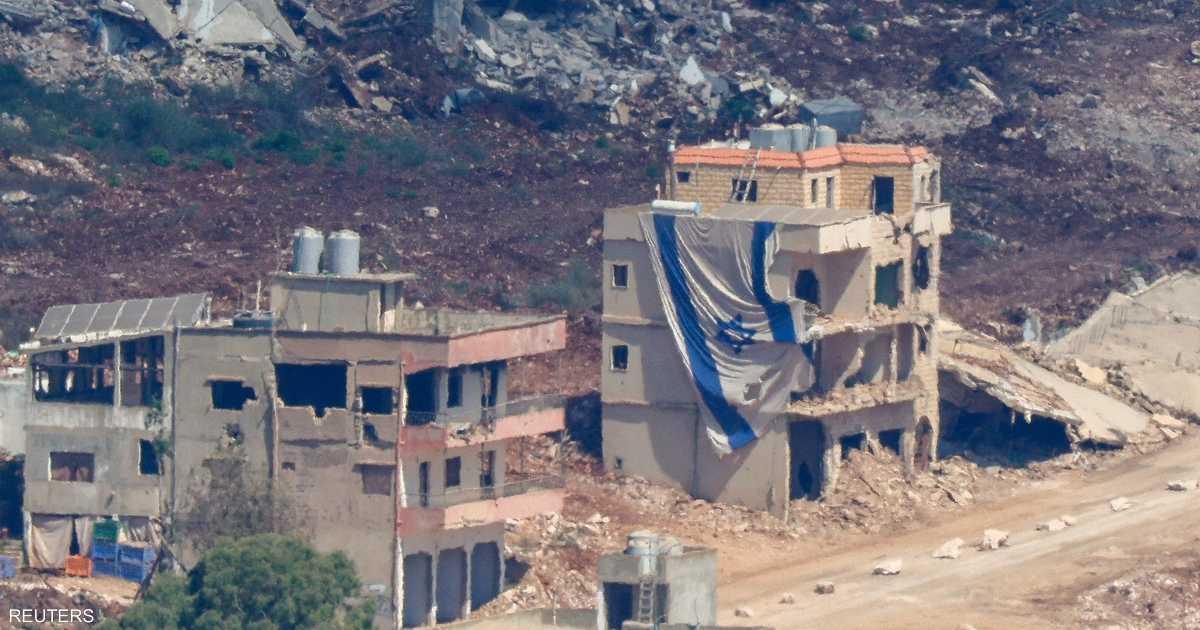
Lebanon, Israel Framework Deal Signed in Washington as Joseph Aoun and Hezbollah Clash
Key Takeaways
- Trilateral framework signed June 26, 2026 in Washington to end conflict; sovereignty to be restored.
- Security annex ties Hezbollah disarmament to phased Israeli withdrawal.
- Lebanon's internal politics and opposition threaten framework's implementation.
Framework signed, backlash erupts
A U.S.-brokered trilateral framework agreement signed in Washington on 26 June 2026 between Lebanon and Israel set out a path to end the conflict and allow Lebanon to reclaim sovereignty alongside a gradual withdrawal of Israeli forces.
Lebanese President Joseph Aoun and Prime Minister Nawaf Salam defended the agreement as “the first step on the path to Lebanon regaining sovereignty over its territory in full,” while Hezbollah Secretary-General Naïm Qassem called it “a humiliation and a surrender of sovereignty. This agreement does not exist.”
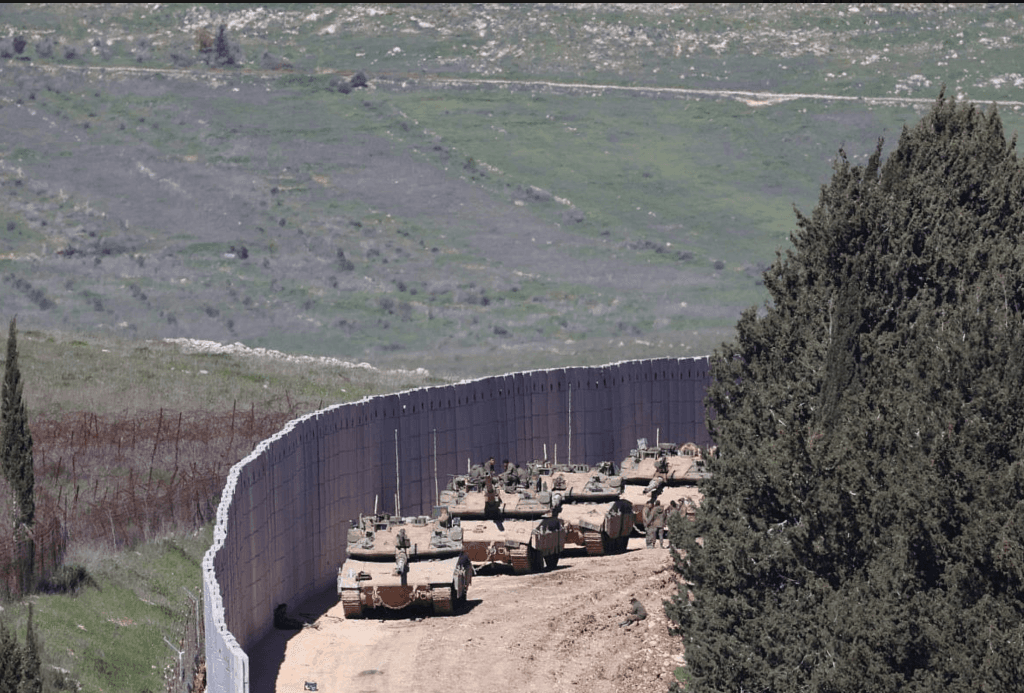
Under the framework, the Lebanese army would assume control of designated “pilot regions” after “verifying the disarmament of non‑state armed groups and dismantling their infrastructure,” and the agreement includes 14 provisions aimed at ultimately reaching a comprehensive peace and security agreement.
The political response exposed a split inside Lebanon, with the Higher Islamic Shia Council calling it an “agreement of submission” imposed under American pressure and warning it would deepen internal divisions.
In parallel, the agreement’s opponents argued it lacked a binding timetable for Israeli withdrawal and that Beirut had made substantial concessions without securing an immediate ceasefire or a timetable for Israel’s withdrawal.
Strikes, sedition warnings
As the framework faced internal opposition, Le Monde reported that the Israeli army carried out new strikes in southern Lebanon on Sunday, June 28, while Parliament Speaker Nabih Berri denounced and buried the text.
Berri, an ally of pro-Iran Hezbollah, said in a statement released by the Amal Movement that “This agreement will not be adopted, and it will not be implemented in its current form,” calling it a “diktat” agreement.

Hezbollah also responded to the strikes by saying it “reaffirms that what the enemy did is a flagrant violation of the ceasefire to which it had adhered up to now,” while reserving the right to defend its homeland and its people.
In the BBC’s account of the political debate, Amal criticized the framework as “unbalanced, and it cements in most of its provisions facts that serve the enemy’s interests at the expense of the national interest.”
The BBC also quoted Nabih Berri warning of the consequences of internal division, saying: “Oh my people in Lebanon, all of Lebanon, this is sedition.”
Justice, displacement, and what’s at risk
Human Rights Watch and five other organizations said the framework agreement signed in Washington on June 26, 2026 “threatens to betray the victims of war crimes in Lebanon,” arguing that some parts of the text appear aimed at preventing victims from seeking justice before international bodies.
The groups warned that other sections “appear to accept forced displacement, in a prolonged and indefinite fashion, of tens of thousands of residents of large areas in southern Lebanon occupied by Israeli forces,” and they pointed to Clause 13 as committing both governments to end hostile or prejudicial actions before international political or legal bodies.
Agnès Callamard, Secretary-General of Amnesty International, said, “Any agreement that does not meaningfully take their rights to justice, accountability, and redress into account will collapse under the weight of the impunity it breeds.”
The organizations also argued that Clause 3 violates international law and the prohibition of forced displacement by setting conditions for return to areas along the border, tied to “the effective disarmament of non-state armed groups and the dismantling of their infrastructures.”
They urged Lebanese authorities to grant the ICC jurisdiction without delay and to file a declaration recognizing its jurisdiction under Article 12(3) of the Rome Statute to investigate crimes committed on Lebanese territory since at least October 2023.
More on Lebanon
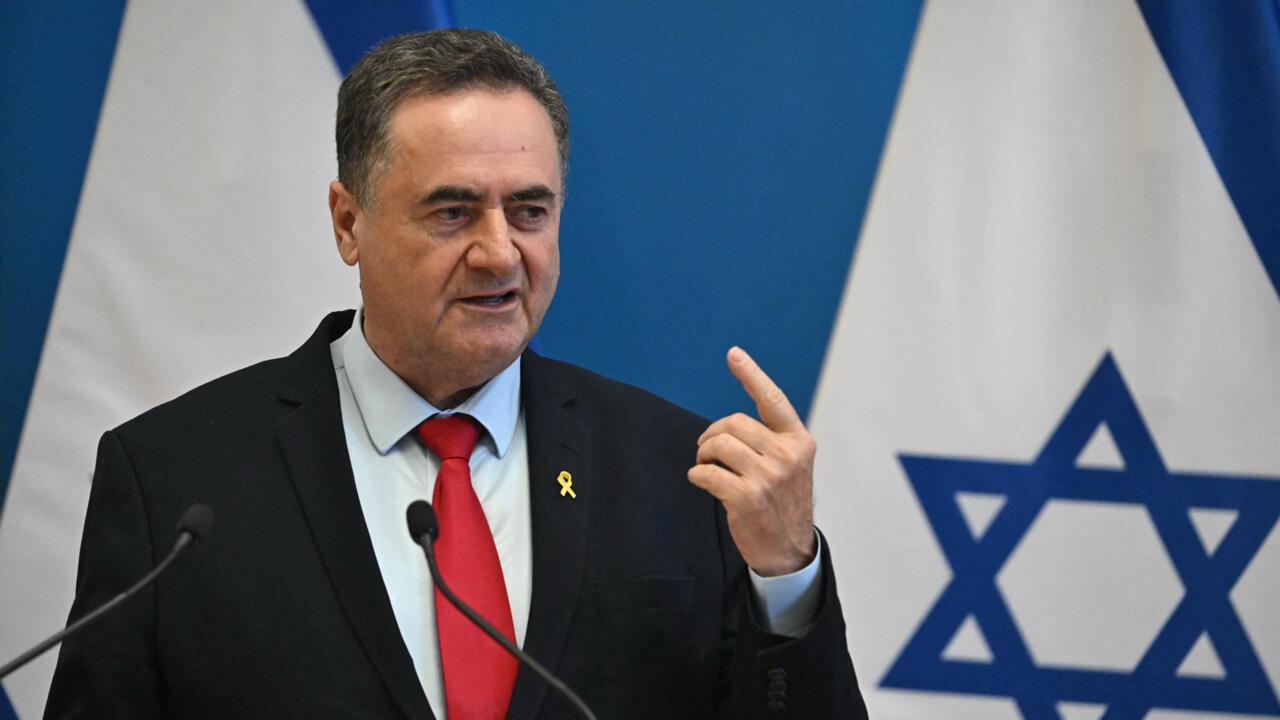
US Oversees Israel’s Phased Withdrawal From Lebanon Pilot Zone Ahead of Rome Talks
15 sources compared
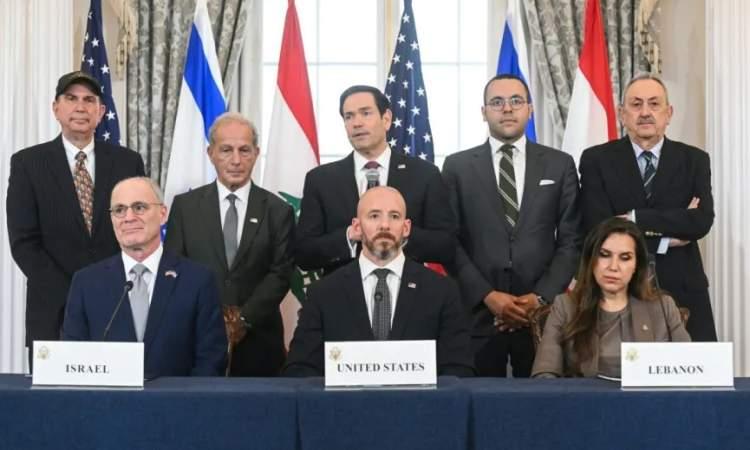
Hezbollah Rejects Israel-Lebanon Framework Agreement After Washington Talks With Marco Rubio
11 sources compared

Sheikh Naim Qassem Says Lebanon Framework Agreement Transfers Sovereignty From Zionist Regime
33 sources compared

Israeli Forces Withdraw From Dibin as Lebanese Army Opens Roads With UNIFIL
18 sources compared