Lebanon’s President Joseph Aoun Urges US Support as Israel-Hezbollah Framework Advances
Key Takeaways
- Washington-hosted framework aims to end fighting between Israel and Hezbollah.
- Hezbollah rejects disarmament provisions; Israel strikes continue.
- Ceasefire holds as U.S. pushes framework amid ongoing hostilities.
Framework, ceasefire, and friction
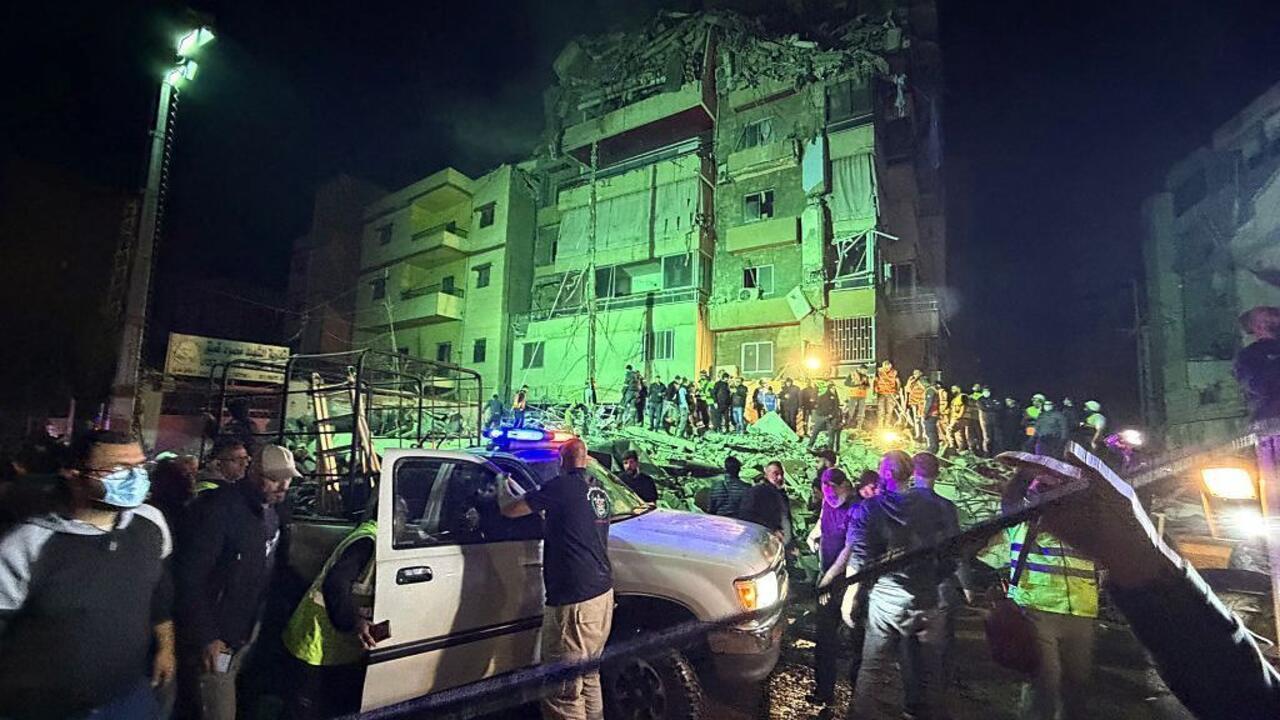
Lebanon’s President Joseph Aoun urged the United States to keep supporting Lebanon’s sovereignty, institutions, and people as Washington pressed ahead with a US-backed framework agreement aimed at permanently ending hostilities between Israel and Hezbollah following their latest war.
“The Israel-Lebanon framework agreement signed in Washington on June 26, 2026, threatens to betray war crimes victims in Lebanon, Amnesty International and five human rights and press freedom organizations said today”
Aoun called on Washington to "always keep standing beside Lebanon's right and just causes, its institutions, army and people," while the proposal negotiated in Washington envisions the gradual disarmament of Hezbollah, a phased Israeli withdrawal from southern Lebanon, and the deployment of the Lebanese Armed Forces across the border region beginning with two designated "pilot" areas.
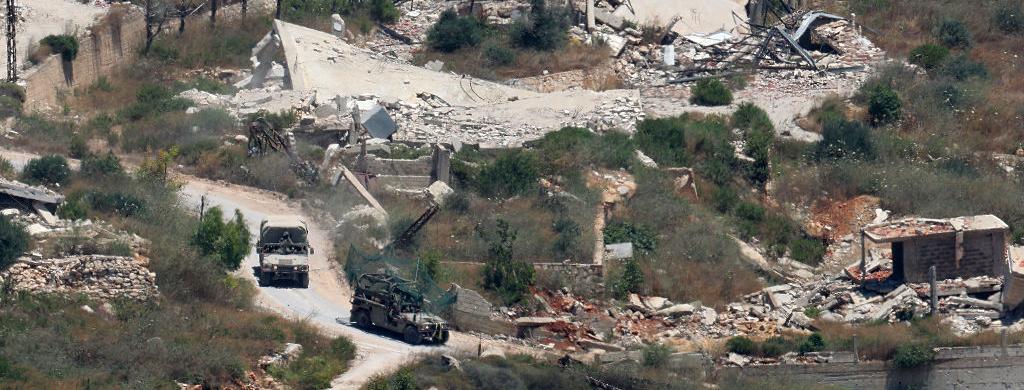
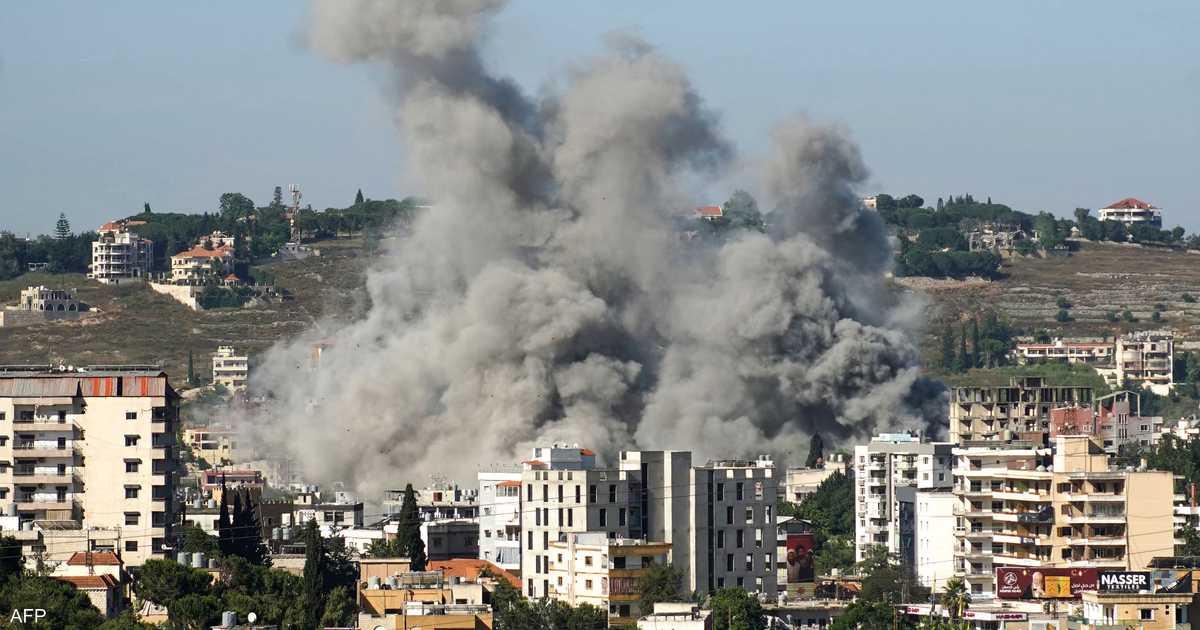
Hezbollah rejected the framework, arguing it does not include a clear timetable for a full Israeli military withdrawal from southern Lebanon, even as Israeli strikes persisted and Israeli forces continued to maintain positions in several areas near the border despite the ceasefire.
The ceasefire in Lebanon entered into force on June 21, and the UN’s International Organization for Migration said more than 640,000 displaced people have returned to their homes since June 22, while Lebanese authorities estimate the conflict killed around 4,300 people and displaced more than one million others.
Lebanese Social Affairs Minister Haneen Sayed said during a visit on Saturday to the heavily damaged southern city of Nabatieh that the government was preparing measures to facilitate the return of displaced families, including prefabricated housing units and rental assistance.
Diplomats doubt, parliament resists
Behind closed doors, Western diplomats privately dismissed the Lebanon-Israel peace framework, with one calling it a "non-starter" amid concerns over its uncertain legal standing and the lack of a clear timetable for Israeli withdrawal.
The National reported that MP Melhem Khalaf warned there was "a deliberate ambiguity" in the framework because it lacked consequences for non-compliance and meaningful implementation dimensions, while Lebanon’s parliament Speaker Nabih Berri vowed the deal "will not pass" and condemned it as an "agreement of dictates" that fails to preserve the country’s rights.
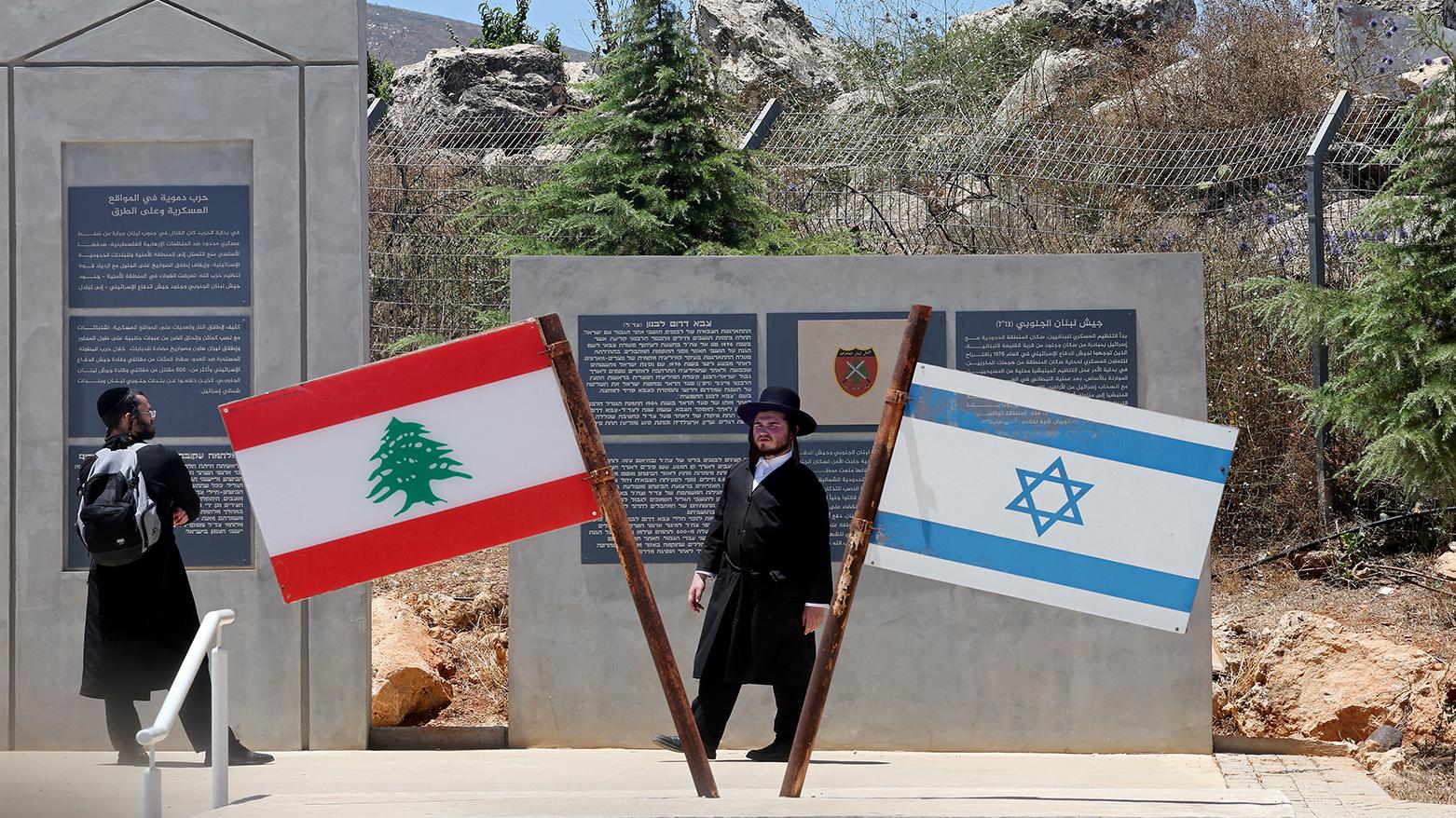
The National said leaked minutes of a cabinet meeting on June 25 showed Lebanon’s negotiating team in Washington was empowered to take necessary measures, but also that any agreement "will be subject to the approval of the council of ministers."
Information Minister Paul Morcos told The National that the framework is not yet an agreement or treaty and "therefore cannot be formally presented and ratified by the constitutional institutions," adding that further negotiations were still in their early stages.
Hezbollah leader Naim Qassem rejected the preliminary peace agreement between Lebanon and Israel on June 28, describing it as "shameful" and arguing that direct negotiations amount to "imposing surrender and unconditional concessions."
War-crimes accountability and ongoing attacks
Amnesty International and five human rights and press freedom organizations said the Israel-Lebanon framework agreement signed in Washington on June 26, 2026 threatens to betray war crimes victims in Lebanon, including by appearing to prevent victims of serious international crimes from seeking justice before international forums.
“Western diplomats have privately dismissed the Lebanon-Israel peace framework, with one calling it a "non-starter" amid concerns over its uncertain legal standing”
Amnesty’s Agnès Callamard said, "Victims of war crimes and other violations deserve justice," warning that any agreement that fails to center rights to justice, accountability and reparations will falter underneath the impunity it builds.
The organizations said Clause 13 commits Israel and Lebanon to the cessation of "all hostile or adverse actions in international political or legal fora," and Amnesty’s account also highlighted Clause 3 conditioning residents’ return to specified zones along the border on "successful disarmament of non-state armed groups and dismantlement of their infrastructure."
Meanwhile, Israel carried out a strike on Beirut’s southern suburb on Wednesday, with a joint statement by Prime Minister Benjamin Netanyahu and Defense Minister Yisrael Katz saying, "The army has just struck in Beirut the commander of the Radwan Force," and Beirut confirmed the first strike on the southern suburb since last month’s ceasefire.
Lebanese Prime Minister Najib Mikati? Nawaf Salam said in statements carried by the official Lebanese National News Agency that "stabilizing the ceasefire will form the basis for any new round of negotiations" and that the minimum of demands is "a timetable for Israeli withdrawal" while Beirut develops a plan to confine weapons to the state’s hands.
More on Lebanon
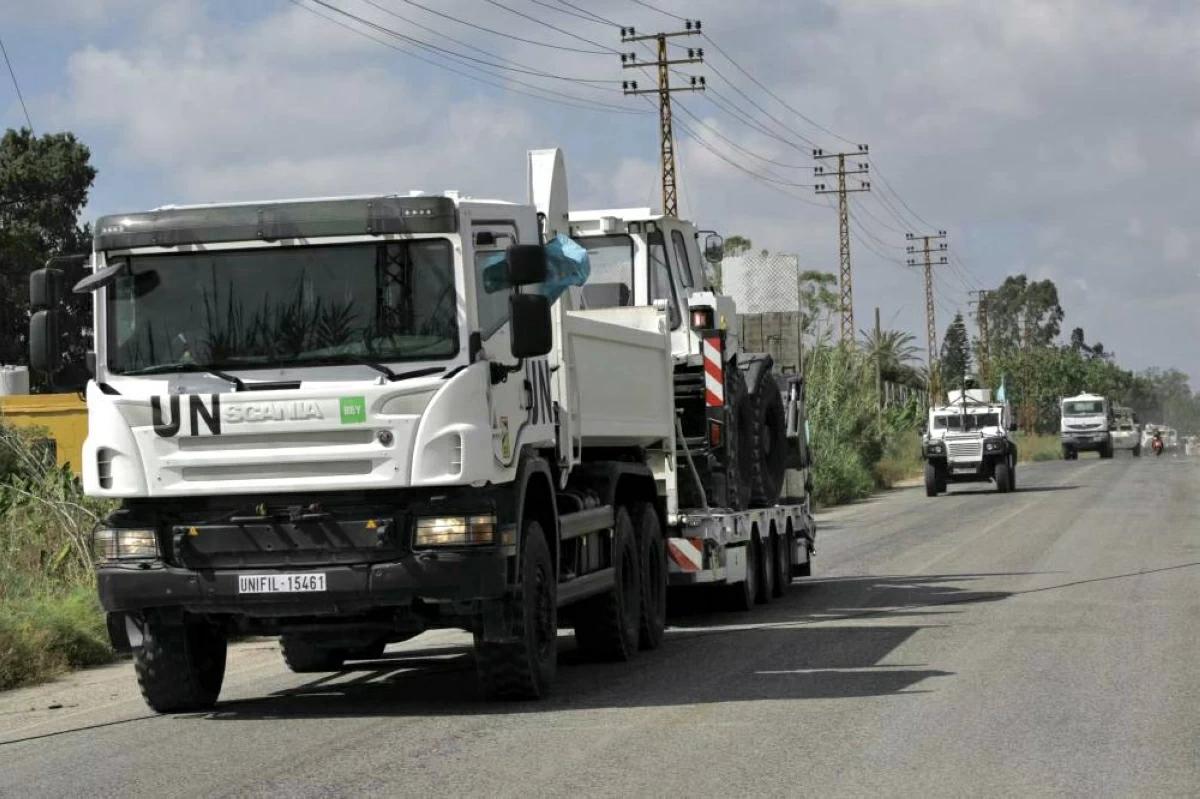
Joseph Aoun Urges Donald Trump To Continue US Support After Israel Framework Agreement
24 sources compared

Israel’s Givati Brigade Completes Mission In Southern Lebanon After Eight Months
15 sources compared

Syria Signals Diplomacy After Asaad Al-Shaibani Lebanon Trip, Rejects Military Intervention Against Hezbollah
29 sources compared
Nabih Berri Says Israel Tries to Drag Lebanese Army Into Confrontation With Resistance
14 sources compared