
Lebanon’s Prime Minister Nawaf Salam Announces Banking Bill To Distribute Losses After 2019 Collapse
Key Takeaways
- Nawaf Salam announced a reform bill to distribute losses among state, banks, and savers.
- The bill, known as the 'gap law', reorganizes loss absorption with IMF negotiations.
- The government aims to exit the financial deadlock and revive the banking sector.
Gap law adopted in Beirut
Lebanon’s government adopted a bill on Friday, December 26, setting a framework for the distribution of losses among the state, depositors, and banks after more than six years since the country’s financial collapse.
Prime Minister Nawaf Salam said the bill “constitutes a roadmap for getting out of the crisis,” and he said it would be examined starting Monday by the reformist government before being submitted to Parliament.
The bill is designed to allow dollar depositors with up to $100,000 in their accounts to access all of their deposits over a four-year period, and Le Monde.fr said the plan concerns dollar depositors and aims to protect small savers and revive the banking sector.
Le Monde.fr also said the wealthiest fortunes would recover $100,000 and see the rest offset by asset-backed securities, while the Times of Israël reported that the savers’ number was estimated at nearly one million before the 2019 collapse.
Banks refuse; IMF conditions
The bill has drawn opposition from Lebanese banks, with the Association of Lebanese Banks (ABL) criticizing it as containing “serious gaps” and burdening commercial banks, while Libnanews described the banks’ professional association as voicing a frontal refusal.
Libnanews said the ABL condemned the bill in a statement dated January 5, 2026, arguing that the text “rests on no credible assessment of losses,” and that it “introduces a logic of blatant legal injustice.”
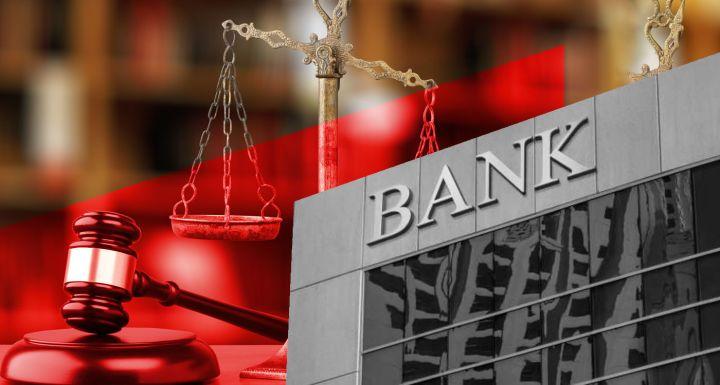
The International Monetary Fund (IMF) had closely followed the drafting of the text, and the Times of Israël reported that the IMF stressed the need to “restore the viability of the banking sector and protect depositors as much as possible.”
Le Monde.fr framed the reform as one of the IMF’s requirements to unlock funds for Lebanon, and it said the reform must be approved by Parliament after the government adopted the bill on December 26.
Credit remains limited; stakes rise
Even as the banking bill moves through the political process, L’Orient Today reported that the banking sector today plays only a limited role in granting new loans, with housing loans “almost disappeared” except for a few dozen cases financed by the Banque de l’Habitat.
“Presented as a restructuring law, the Gap Law actually organizes a methodical liquidation of the Lebanese banking sector”
L’Orient Today said consumer lending remains marginal and that companies, especially SMEs, continue to face major difficulties in accessing financing, while it reported that dollar-denominated interest rates reach 12 to 14%.
Libnanews described the gap law as a central milestone in negotiations between Beirut and the IMF, and it said the bill aims to establish a legal framework for distributing losses accumulated in the banking system since the 2019 collapse, estimated at about $72 billion.
In that same framing, Libnanews said the bill would create a Deposit Restitution Fund funded by the sale of certain strategic public assets, while Le Monde.fr said the reform is intended to pull Lebanon out of financial deadlock by protecting small savers and reviving the banking sector.
More on Lebanon
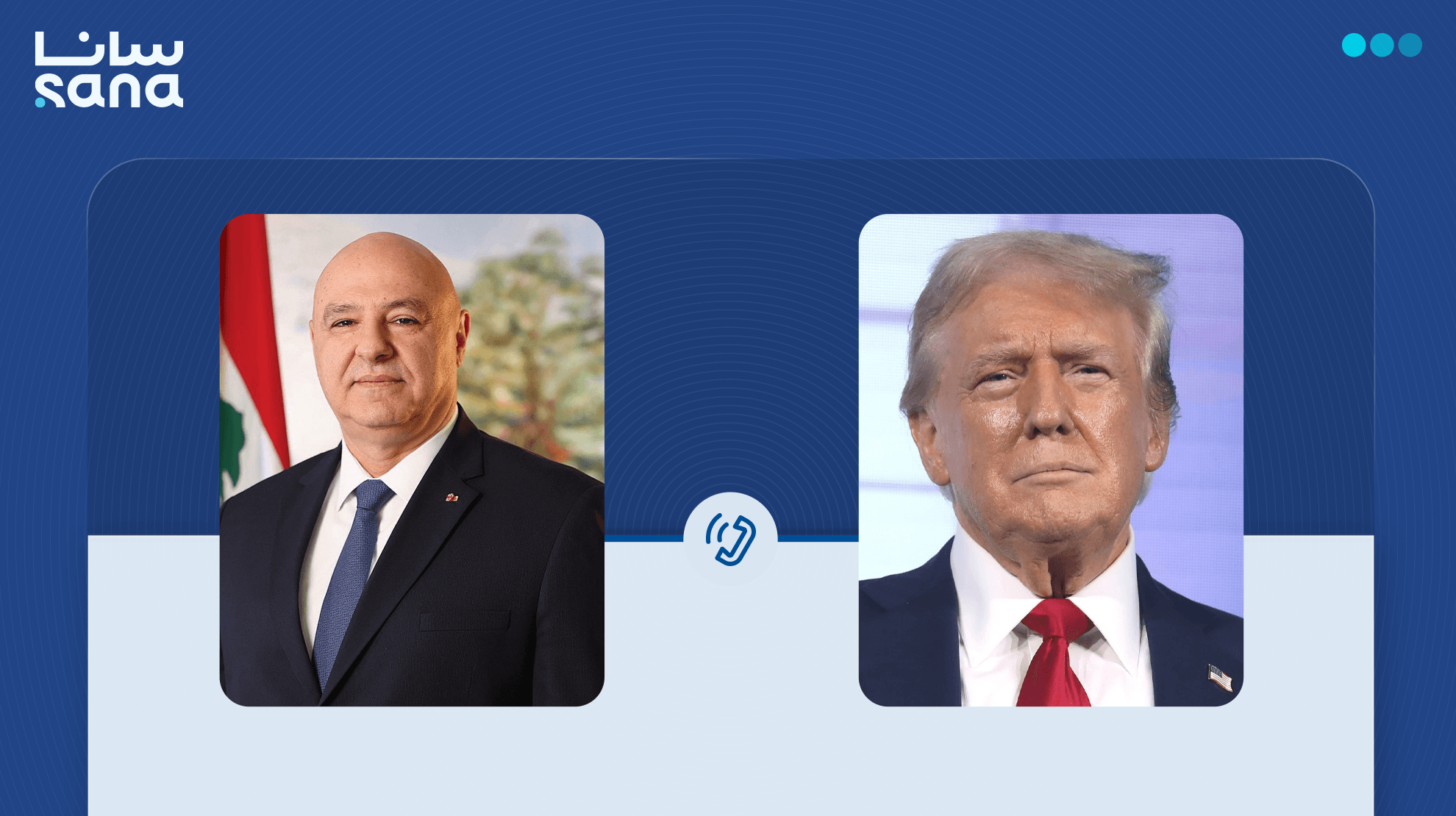
Joseph Aoun Tells Rodolphe Haykal Lebanon Army Role After U.S.-Israel Framework Agreement
10 sources compared

US Oversees Israel’s Phased Withdrawal From Lebanon Pilot Zone Ahead of Rome Talks
15 sources compared
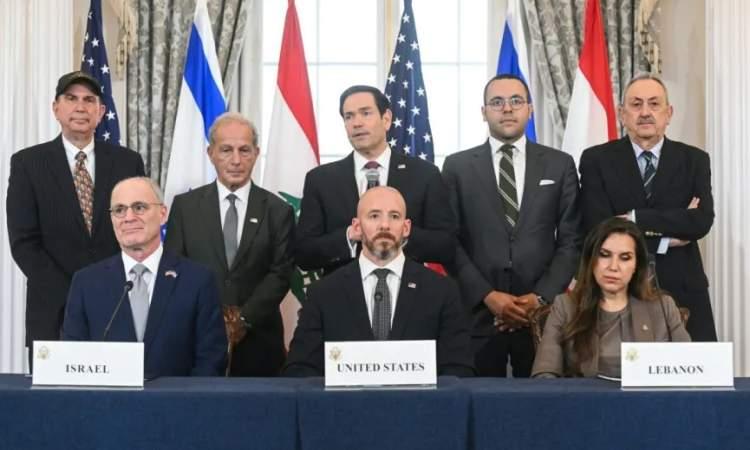
Hezbollah Rejects Israel-Lebanon Framework Agreement After Washington Talks With Marco Rubio
11 sources compared

Sheikh Naim Qassem Says Lebanon Framework Agreement Transfers Sovereignty From Zionist Regime
33 sources compared