Africa11 October, 20263 min read
Libya Hosts African C-10 Meeting In Tripoli To Push UN Security Council Reform
This article is an automated aggregation of coverage from news outlets. Our editorials offer in-depth analysis curated by the NewsCord team.
The 14th ministerial C-10 meeting opened in Tripoli with ten member states. Delegates aim to unify African positions and strengthen Africa's UN representation.
9 outlets told this the same way.
Tripoli meeting opens
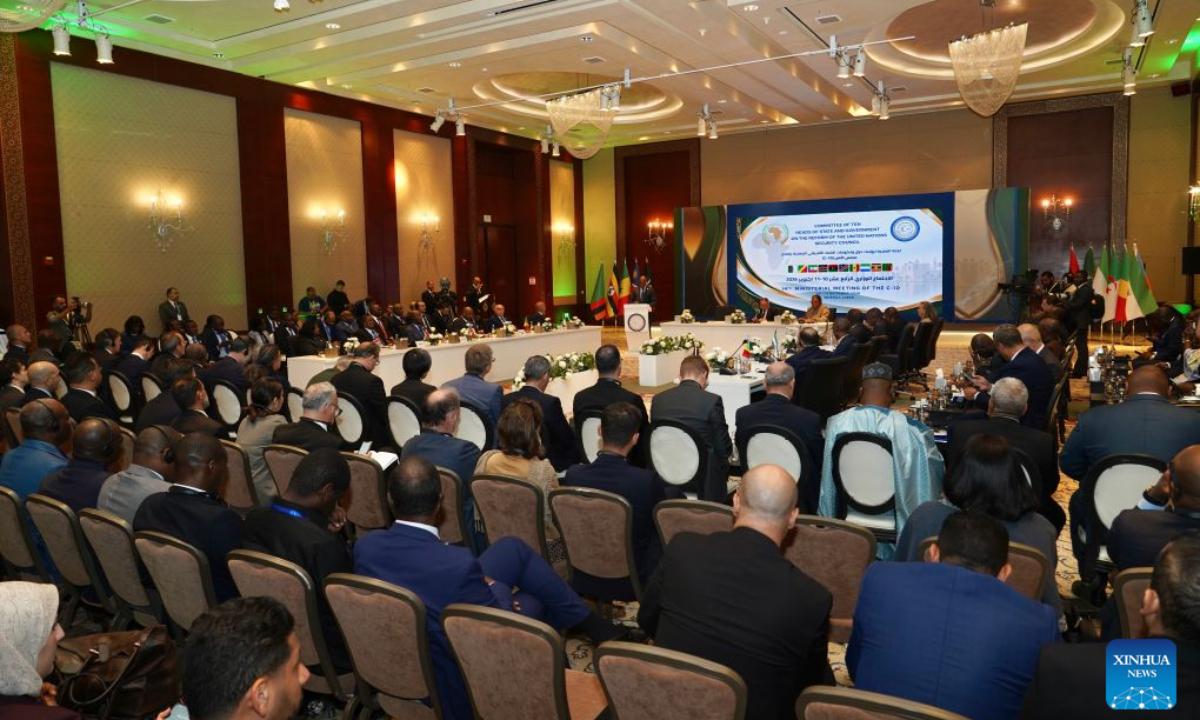
The 14th ministerial meeting of the African Committee of Ten (C-10) on UN Security Council reform opened in Tripoli, Libya on Sunday, with participants discussing ways to strengthen Africa's representation in the international body. El-Taher El-Baour, acting Libyan minister of foreign affairs and international cooperation, said Libya's hosting reflected its commitment to supporting the continent's common position on international issues, according to a statement issued by the Libyan Ministry of Foreign Affairs and International Cooperation. El-Baour reaffirmed Libya's support for Africa's demand for two permanent UN Security Council seats with full prerogatives, including the right of veto, as well as two additional non-permanent seats.
The C-10, established in 2005, comprises Libya, Algeria, the Republic of the Congo, Equatorial Guinea, Kenya, Namibia, Senegal, Sierra Leone, Uganda and Zambia, with Sierra Leone coordinating its work. The meeting framed its work as part of African efforts to unify positions and strengthen African presence in the United Nations system, with the fourteenth ministerial meeting beginning in the capital Tripoli on Sunday.
Libya chairs, Algeria presses
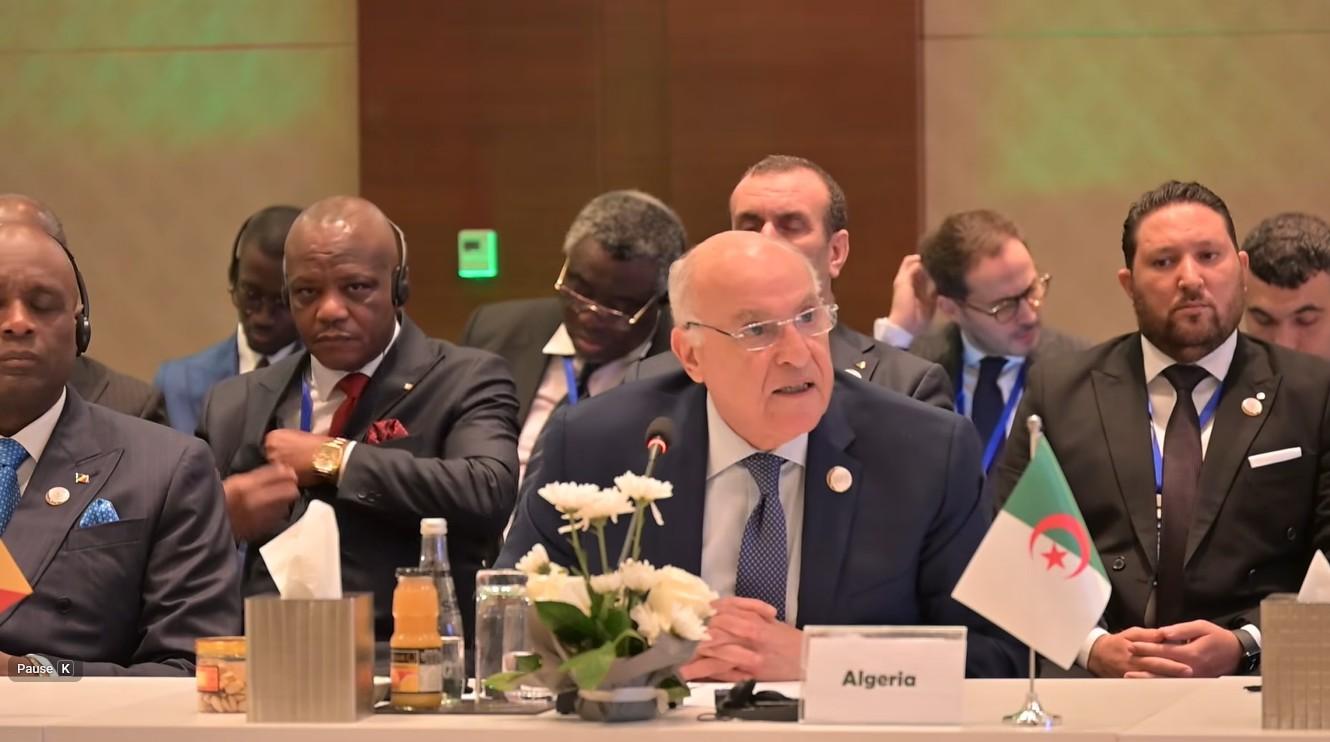
Libya's Foreign Ministry said the 14th ministerial meeting aimed to unify African positions and strengthen the continent's representation within the UN system, as Libya pursues a seat on the Security Council. Taher Al-Baour chaired the meeting alongside Sierra Leone's Foreign Minister Timothy Musa Kabba and Libya's ambassador to Ethiopia and permanent representative to the African Union, Mohamed Adam Lino, as the African C10 met in Tripoli on Sunday. Ahmed Atf, Algeria’s foreign minister, renewed his country’s commitment to the common African position before the meeting, calling for continued diplomatic action and intensified efforts to mobilize international support for this stance.
Ahmed Attaf told the 14th ministerial meeting in Tripoli that UN Security Council reform is no longer an ordinary bargaining issue but has become a matter of justice, a matter of legitimacy, and a matter of the credibility of the international system. Ahmed Attaf stressed that Africa demands to be treated on an equal footing with other blocs and continents, and he said "history cannot be a pretext to freeze the present".
Tripoli 2026 document
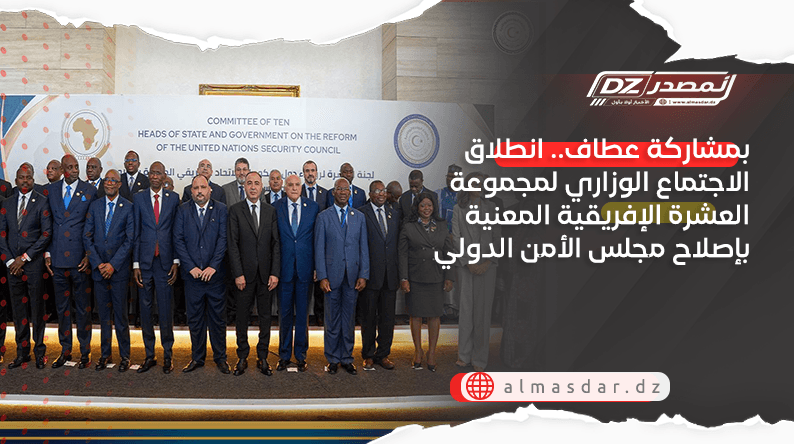
Libya's Foreign Ministry said the meeting produced the “Tripoli 2026 Document,” which affirmed Africa’s collective stance on Security Council reform in line with the Ezulwini Consensus and the Sirte Declaration. The “Tripoli 2026 Document” renewed the demand for fair representation of the continent in the Council, including two permanent seats with full veto power and five non-permanent seats, with the African Union determining which five countries occupy those seats. The meeting outcomes emphasized strengthening coordination among member states and intensifying diplomatic momentum to mobilize international support for Africa’s position, alongside proposals to develop follow-up mechanisms.
After the meeting, Taher Al-Baour and Mohamed Rahman Suarai held a joint press conference in Tripoli to review the meeting’s main results and the importance of Libya hosting the African milestone. The Libyan Foreign Ministry also said the meeting stressed that Security Council reform is not complete without Africa, while Africa is represented in the Security Council by three non-permanent seats for 2026 held by Liberia, the Democratic Republic of the Congo, and Somalia.