Africa09 October, 20263 min read
King Mohammed VI Rejects Spain Pressure, Says Migratory Cooperation Model Reached Its Limits
This article is an automated aggregation of coverage from news outlets. Our editorials offer in-depth analysis curated by the NewsCord team.
King rejects Spain's pressure and blackmail over Ceuta migration crisis. He deems the current migratory cooperation model outdated and proposes a new strategy.

Ceuta dispute escalates
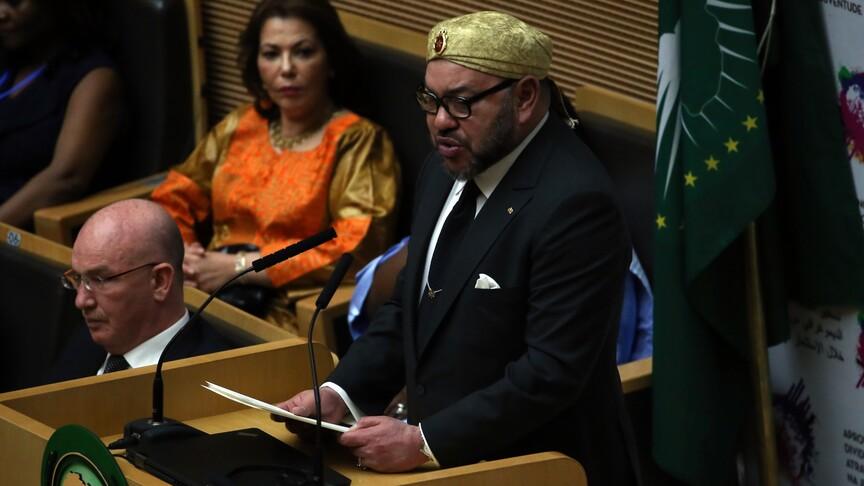
King Mohammed VI told members of both houses of Parliament in Rabat that the current migratory cooperation model with Spain has reached its limits, while he rejected any form of pressure, threat, or blackmail in relations between the two countries. Mohammed VI said, "We must recognize with courage and objectivity that, in this matter, the current cooperation model has reached its limits," and he linked the obstacles to "outdated legal provisions" and "judicial decisions far from reality." Mohammed VI argued that those obstacles hinder the repatriation of minors and of people he accuses of usurping refugee status, and he said they favor the activities of criminal networks involved in irregular migration.
The Moroccan king set his remarks against the Ceuta migratory crisis, where tens of thousands of migrants crossed the border at the end of July, and the Anadolu Ajansı account placed the timing alongside a visit by the Spanish sovereigns to Ceuta and Melilla. El Constitucional framed the same speech as Mohamed VI’s first public reaction to the massive entry of some 80,000 people, mostly Moroccans, who crossed the Ceuta border on July 30 and 31 in the Tarajal area.
No blackmail, new plan
Mohamed VI accused certain Spanish political and media sectors of instrumentalizing the migration crisis in Ceuta, and he warned that cooperation cannot be subjected to pressure, threats, or "blackmail". "cooperation between both countries must develop without pressure" and it described the statement as a call for a relationship based on mutual respect. Mohamed VI announced that Morocco would present a document with a "clear and practical strategic vision" to guide bilateral relations toward joint development, economic competitiveness, and regional stability.
France 24 reported that the king rejected any pressure or threat from "some circles" in Spain and said the partnership is a sovereign choice, a voluntary commitment, and will never be subject to any pressure or threat or blackmail. France 24 also reported that Morocco would present to partners a document establishing a new approach that enhances joint development, economic competitiveness, and regional stability, and it attributed the initiative to Fouad Yazouj, Director-General of International Political Affairs at the Moroccan Ministry of Foreign Affairs.
Ceuta numbers and stakes
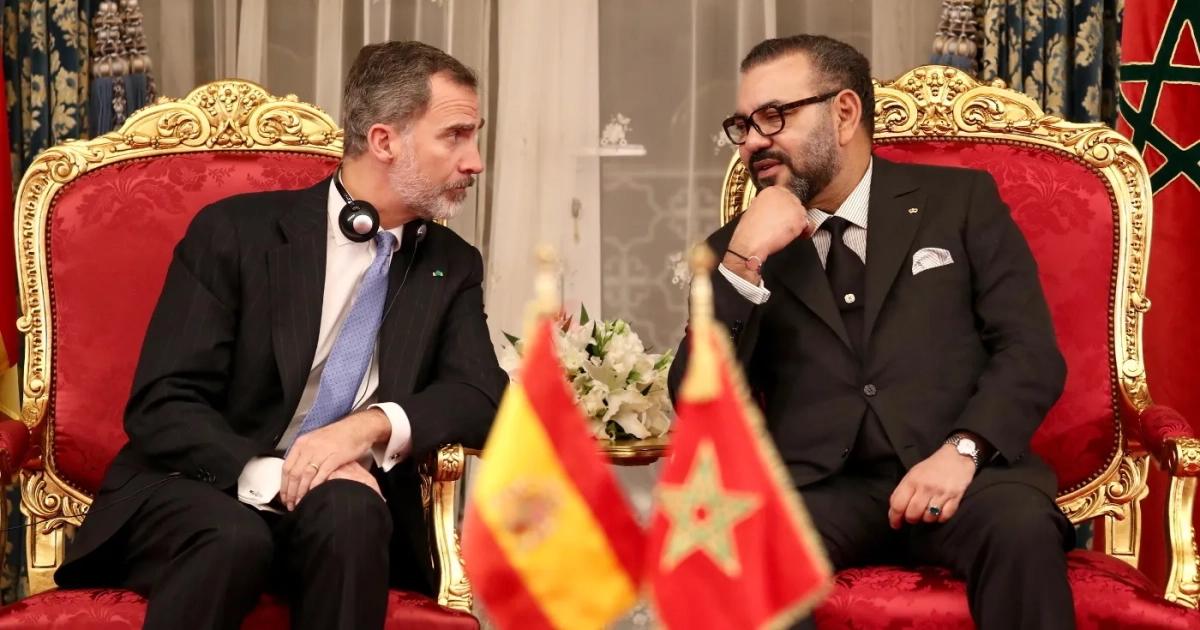
El Constitucional said the Ceuta episode caused a migration crisis and opened a political debate in Spain about border control and the possible responsibility of the Moroccan authorities, while it noted that accusations about Rabat's involvement have been rejected by the Moroccan Government. On July 30 and 31 more than 70,000 migrants reached Ceuta swimming or walking from Morocco, and more than a hundred lost their lives amid the dense influx. El Constitucional said the episode’s timing was followed by a planned visit by King Felipe VI and Queen Letizia to Ceuta and Melilla, scheduled from October 13, and it described the trip as the first time during Felipe VI’s reign that the kings travel to both autonomous cities.
Mohammed VI spoke before members of both houses of Parliament in Rabat on October 9, 2026, and it described his announcement as a new strategic proposal to partners against the backdrop of tensions linked to the Ceuta migratory crisis. El Constitucional added that Mohamed VI’s warnings about pressures and blackmail reflected the sensitivity of bilateral relations at a time when the migratory crisis continues to have political consequences, and it said the evolution of the relationship would depend on how the royal visit is managed and whether the cooperation proposal translates into new diplomatic initiatives.