
Lindsey Graham Says Trump Will Take Strait of Hormuz By Force If Iran Blocks Access
Key Takeaways
- Graham said Trump would seize the Strait of Hormuz by force if Iran blocks access.
- He warned the action could include obliterating Iran if it resists Hormuz control.
- Graham advocated diplomacy but predicted the talks would fail, potentially prompting military options.
Graham: talks likely fail
GOP Sen. Lindsey Graham said the U.S. peace talks with Iran are going to fail and that President Trump would take the Strait of Hormuz by force if the memorandum of understanding (MOU) collapses.
Speaking on CBS News’ “Face the Nation” with Margaret Brennan, Graham said, “Let’s try a diplomatic solution. I think it’s going to fail. What happens next?”
Graham, who said he spent four-and-a-half hours with Trump on Friday, predicted, “President Trump is going to take the Strait of Hormuz over by force.”
He tied the escalation to a scenario in which Iran contests U.S. control of the waterway, warning, “If Iran contests control of the Strait of Hormuz by the United States, we will obliterate them.”
Hezbollah, tolls, and $300B
Graham said Trump’s approach would shift if Hezbollah attacks Israel, telling CBS News’ “Face the Nation” host Margaret Brennan, “When you use Hezbollah to attack Israel, I think the new policy will be, ‘We will attack Iran,’”
In the same CBS interview framing, Graham argued that if there is no diplomatic path through the MOU, “you have to go to war or some other form of coercion,” while also describing the Strait of Hormuz as a place where the U.S. could charge a fee if talks fail.

The Hill reported Graham’s view that the tentative deal will fail, and it quoted him saying, “If you don’t have a diplomatic path through the MOU, then you have to go to war, or some other form of coercion.”
Benzinga also reported that Graham reversed his stance on the proposed $300 billion for Iran’s reconstruction, saying that if countries like Saudi Arabia, Qatar, and the UAE invest in Iran, it would indicate a change in Iran’s stance, while he doubted the sufficiency of the funds.
Negotiators in Switzerland
As Graham made his predictions, Vice President JD Vance and other U.S. negotiators were in Switzerland on Sunday as the clock started on a 60-day negotiating period following the two countries’ signing of the MOU last week.
“The United States has confirmed that it will participate in next week's JCPOA negotiations in Vienna”
CBS News said the talks were underway in Switzerland and that “conflict between Israel and Iran-backed Hezbollah has endangered the U.S.-Iran ceasefire,” while Iran said the Strait of Hormuz would be closed again after it accused the U.S. and Israel of violating the agreement.
The Washington Examiner reported that Vance was meeting with Iranian officials to finalize terms of a permanent ceasefire agreement beyond the 60 days agreed in the MOU, with the future of the Strait of Hormuz at the center of the negotiations.
In parallel, the BBC reported that the United States confirmed it will participate in next week’s JCPOA negotiations in Vienna and proposed direct talks with Iran, while Iran’s Foreign Ministry stressed there is no need to negotiate with the United States and that it will not meet with US representatives in Vienna.
More on Iran
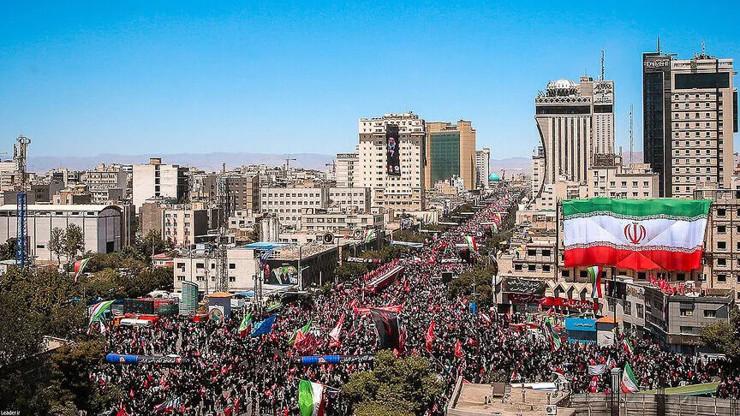
Israeli Strike Kills Ayatollah Ali Khamenei, Buried at Imam Reza Shrine in Mashhad
19 sources compared
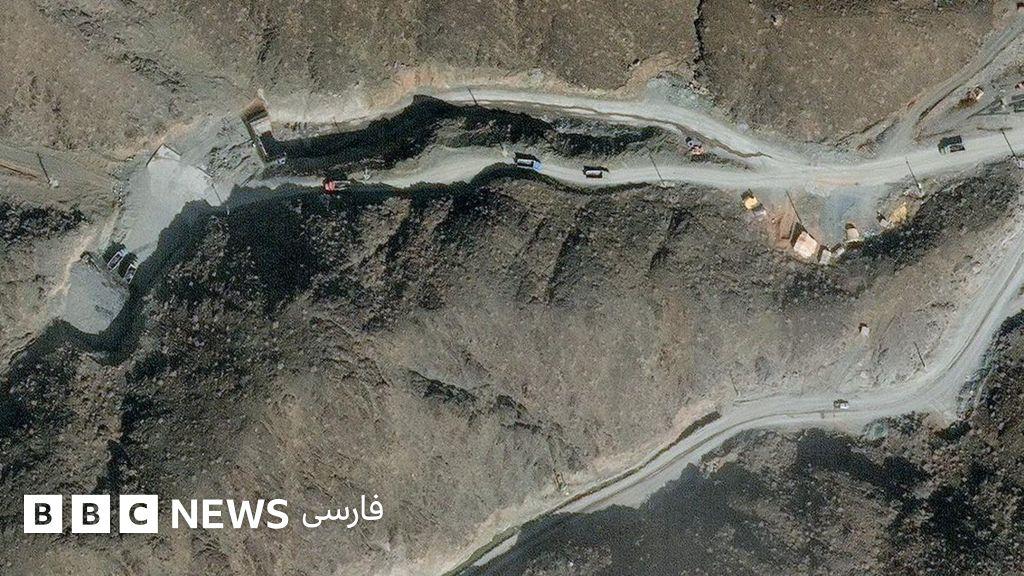
Iran Attempts To Restore Nuclear Sites Damaged In US And Israel Strikes, CNN Satellite Images Show
15 sources compared
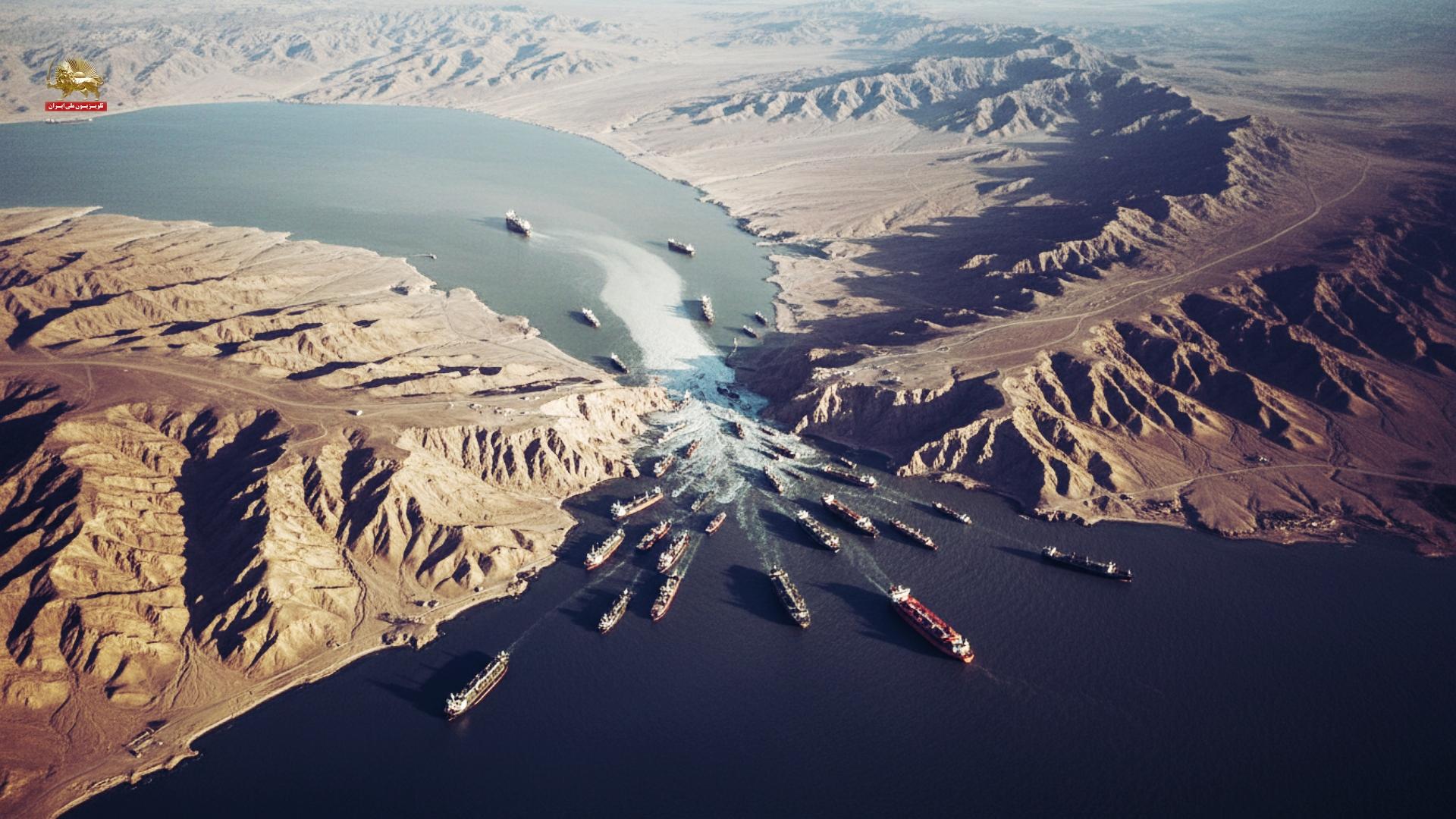
Abbas Araghchi and Prince Faisal Bin Farhan Discuss Regional Developments After US Attacks
11 sources compared

Trump Says U.S. Agreed to Continue Iran Talks, Ceasefire Is Over
19 sources compared