Britain26 September, 20252 min read
London Court Throws Out Terrorism Charge Against Kneecap Rapper Liam Óg Ó hAnnaidh
Terrorism charge against Liam Óg Ó hAnnaidh was dismissed due to a technical error. Charge related to allegedly displaying a Hezbollah flag at a London gig in November 2024.
67 outlets told this the same way.
Outlets did split on UK Police Charge Teddy Young With Spying For Foreign Power, Royal Navy Member →
Rapper's Court Case Overview
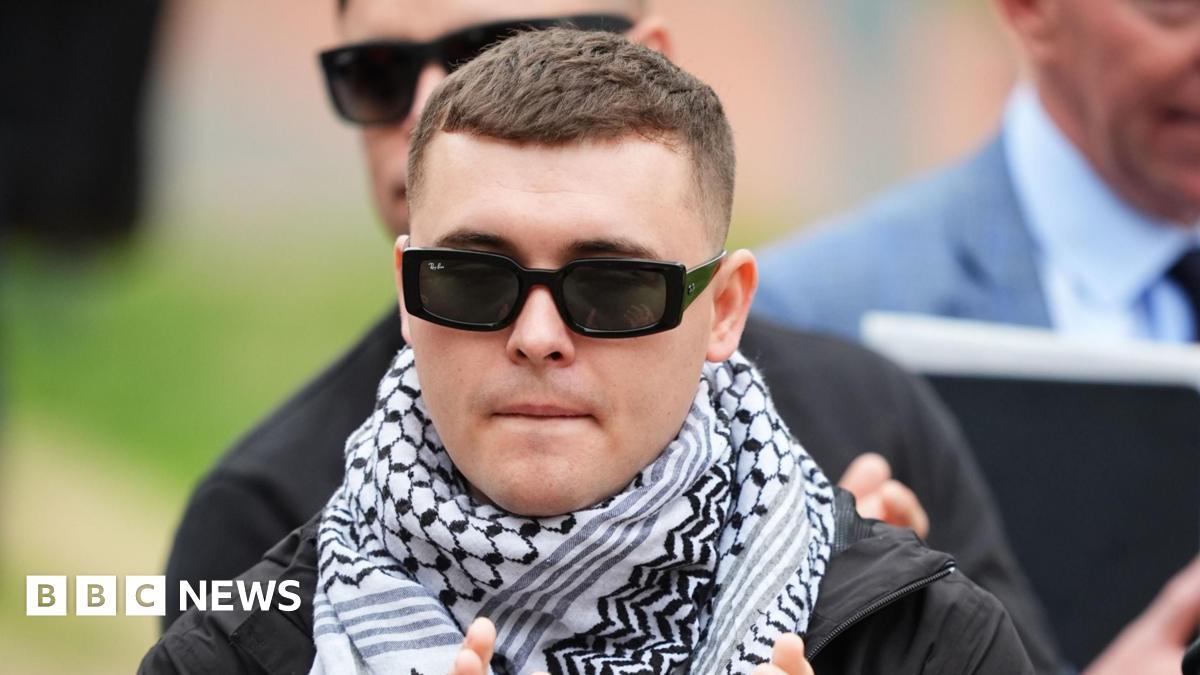
Liam Óg Ó hAnnaidh, a rapper from the Irish group Kneecap, faced terrorism charges in the UK for allegedly displaying a Hezbollah flag during a concert in London. The charges were dismissed by Woolwich Crown Court due to a procedural error, specifically the failure to obtain the necessary consent from the Attorney General and Director of Public Prosecutions within the required six-month statutory time limit.
“Terrorism charges against Liam Óg Ó hAnnaidh, a rapper from the group Kneecap, were dismissed by the chief magistrate at Woolwich Crown Court due to a legal technicality.”
This ruling was met with applause from Ó hAnnaidh's supporters, who gathered outside the court waving Palestinian and Irish flags. The case has drawn significant attention due to its political implications and the band's outspoken support for Palestine.

Political Expression and Legal Charges
The dismissal of the charges has been celebrated by Ó hAnnaidh and his supporters as a victory for political expression. Ó hAnnaidh stated that the case was never about terrorism but rather about his outspoken stance on Gaza and the broader Israeli-Palestinian conflict.
Political figures, including Northern Ireland’s First Minister Michelle O’Neill, have condemned the charges as attempts to silence dissent. The case has sparked a broader debate about the limits of political expression and the use of terrorism charges to suppress activism.

Band Controversy and Activism
The case against Ó hAnnaidh has also highlighted the band's history of controversy and political activism. Kneecap, known for their provocative lyrics and support for the Palestinian cause, have faced bans in countries like Canada and Hungary.
“Kneecap, known for their politically charged lyrics and imagery, have faced significant controversy, including a ban from entering Canada.”
The band denies endorsing violence, arguing that their political statements are often misinterpreted as support for militant groups. This case has intensified discussions about the role of artists in political discourse and the boundaries of free speech.
Police Actions and Supporter Protests
The legal proceedings have also drawn attention to the actions of the Metropolitan Police, who issued a 'section 14' order to prevent Kneecap's supporters from gathering near the court. This move was criticized by the band as a political tactic to portray their support as troublesome. Despite these restrictions, Ó hAnnaidh's supporters have remained vocal, organizing protests and demonstrations to express their solidarity with the rapper and his cause.