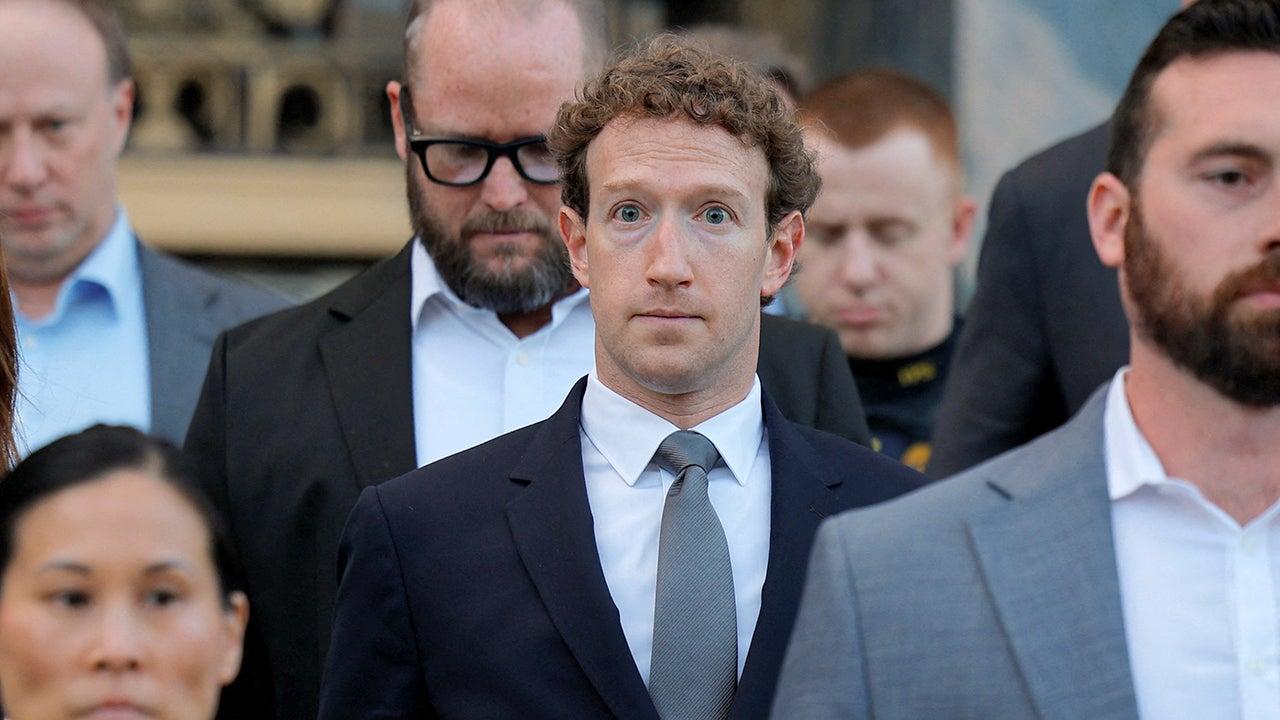
California jury orders Meta and YouTube to pay $6 million for "addictive by design" harms
Key Takeaways
- Los Angeles jury found Meta and YouTube negligent in social media addiction case.
- Plaintiff, a 20-year-old, awarded $3 million; Meta 70%, YouTube 30%.
- Judgment seen as landmark with wide potential impact on numerous future suits.
Verdict basics and scale
A California jury ruled Meta and YouTube negligent in the design and operation of their platforms, ordering $3 million in compensatory damages to Kaley (K.G.M.).
“On Wednesday, a Los Angeles jury ordered Meta and YouTube to pay $3 million in damages to a young woman who successfully argued that the companies’ social media apps were designed to addict children”
The jurors allocated 70% of the compensatory liability to Meta and the remaining 30% to YouTube.

They also awarded $3 million in punitive damages, with Meta responsible for $2.1 million and YouTube $0.9 million.
The verdict frames the case as a milestone in holding tech platforms to account for “addictive by design” features, and Kaley’s testimony described childhood use that contributed to depression, body dysmorphia, and suicidal thoughts.
Broader legal context
The California decision arrived amid a wave of related actions, including a New Mexico jury that the day before ordered Meta to pay $375 million for endangering children and misleading consumers about safety.
The NM verdict found that Meta violated state unfair practices laws and failed to safeguard minors from predators, while Meta faces ongoing consideration of punitive penalties in California as the case proceeds.
Analysts described the Los Angeles decision as a bellwether likely to influence thousands of pending lawsuits against major platforms.
The NM ruling, reported separately, added to a broader push for online-safety accountability across West Asia and beyond.
Design features and testimony
Internal documents and testimony highlighted the design choices alleged to be addictive, including infinite scrolling, autoplay, and persistent notifications, which plaintiffs say were crafted to hook young users.
““This case is historic no matter what happens because it was the first,” she said during deliberations”
Meta executives were shown testifying about safety features, while internal discussions included phrases that framed the platforms as instruments of engagement rather than safety.
YouTube argued the service is primarily a streaming platform, not a social network, and contended it was not designed to maximize time.
Kaley testified that she began using YouTube at six and Instagram at nine, describing how the pattern of use persisted and affected her mental health.
France 24 and Le Monde highlighted the human dimension of the testimony and the framing of design features as addictive.
Legal implications and reaction
Analysts framed the verdict as a watershed moment for online safety, a potential 'Big Tobacco' moment for Silicon Valley.
The ruling has been described as a breakthrough for advocates who want stronger protections for children online, and as a bellwether that could influence thousands of pending lawsuits.
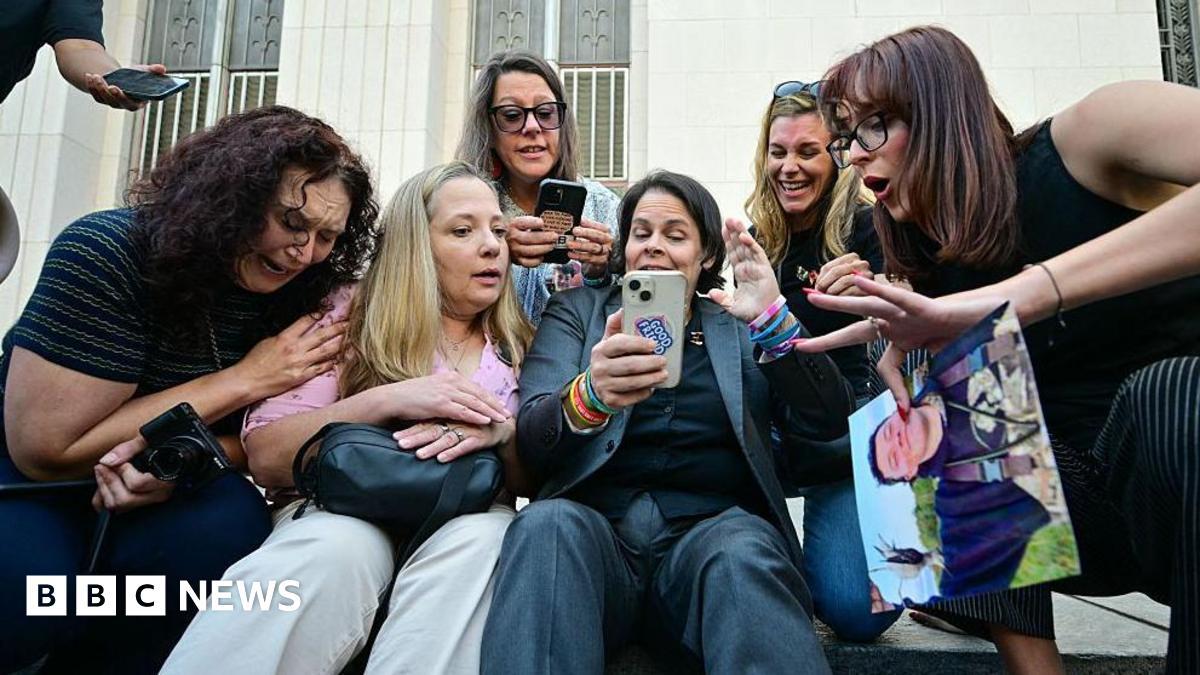
Meta and Google said they would appeal, arguing that the verdict misreads YouTube as a social platform and that safety tools are already in place.
Broad coverage from Western outlets and commentators emphasized the potential for product redesign and greater corporate accountability in response to this landmark decision.
Global reception and precedent
Le Monde, Le Figaro, and Público described the decision as a historic precedent in the United States, underscoring the potential for punitive-damage scales to rise in future cases.
“Meta 'disagrees' with the verdict”
 BFMTV
BFMTVEl País and El Independiente emphasized Kaley’s testimony and the landmark nature of a verdict that could influence global debates about platform responsibility.
 BFMTV
BFMTVFrance 24 provided a human-rights lens, noting the emotional testimonies and the call for stronger online-safety measures.
This international coverage framed the case as a turning point in how social networks may be held liable for design choices affecting minors.
More on Technology and Science

Google Unveils TurboQuant Compressing KV Cache Sixfold, Sparking Memory-Chip Selloff
11 sources compared

US Demands Mexico End Cuban Medical Missions
14 sources compared

NASA Pauses Gateway to Focus on Building Permanent Moon Base
44 sources compared

OpenAI shuts down Sora, ends Disney partnership
31 sources compared