Entertainmentupdated 15m ago2 min read
MapM. John Harrison Wins Booker Prize at 81 for The End of Everything
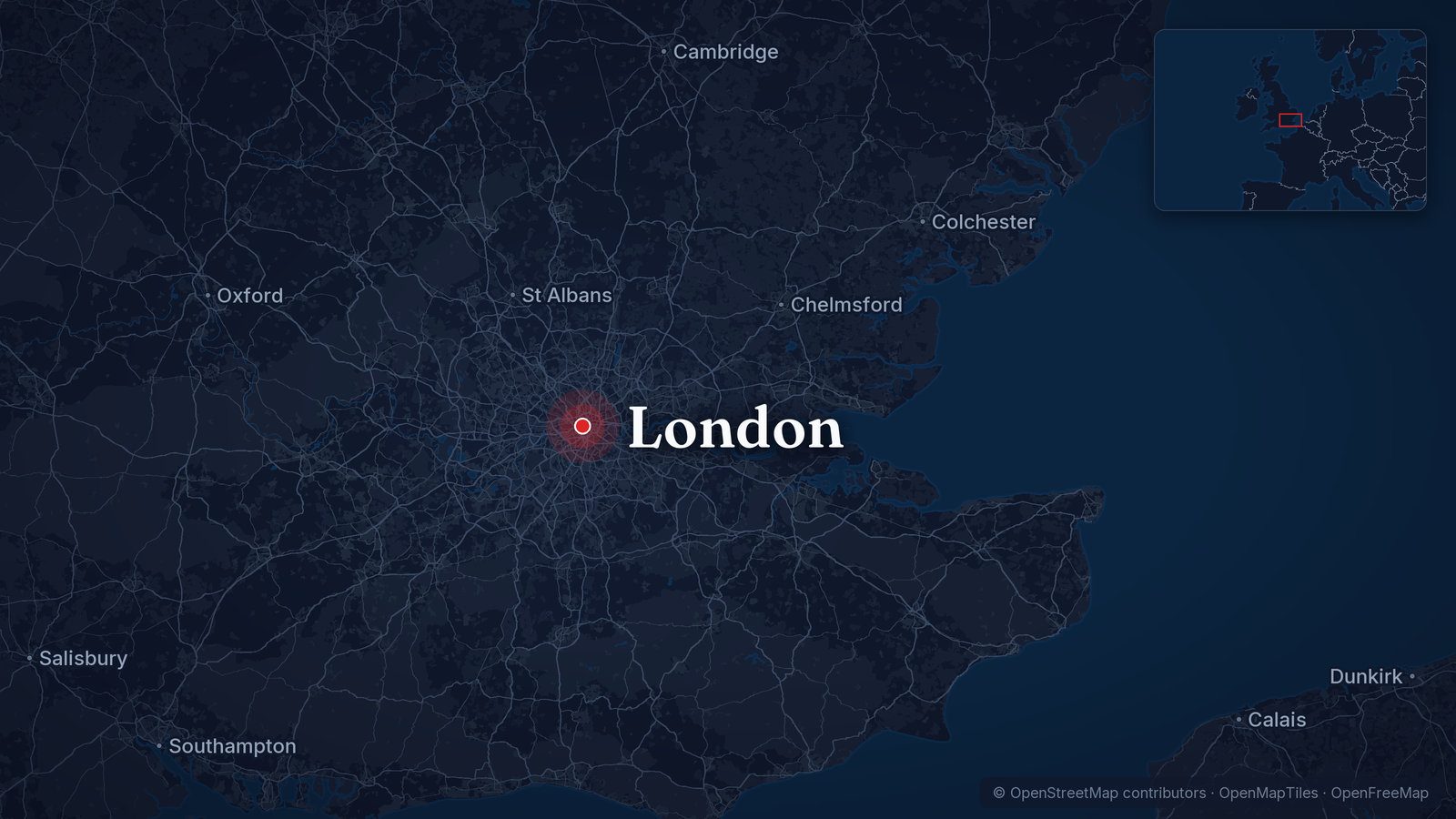
9 Western Mainstream2 Asian2 Other1 Western TabloidMap: © OpenStreetMap contributors, ODbL · Cropped for layout
This article is an automated aggregation of coverage from news outlets. Our editorials offer in-depth analysis curated by the NewsCord team.
M. John Harrison wins the 2026 Booker Prize, oldest winner at 81. The End of Everything is a post-apocalyptic dystopian novel.
Save coverage image
14 outlets in this story. Read their headlines below.
Harrison wins at 81
M John Harrison became the oldest winner of the Booker Prize at 81, winning the £50,000 prize for his post-apocalyptic novel The End of Everything. Harrison accepted the award at a ceremony in London on Monday, and he told the Booker Prize, "I really didn't expect to be up here this evening,". The End of Everything follows a man and his aunt living on the south-east English coast after a mysterious invasion has led to society's collapse, and the novel opens as scavenger Phillip Tennent finds a bundle on the beach.
“Dame Mary Beard, who chaired the Booker judges, said: ‘It's a challenging read, but some of the best fiction is challenging.’”
Mary Beard, chair of the Booker judges, described the book as "the politics of now seen through the lens of the future," and she said the judges unanimously chose Harrison's novel. The Booker Prize Foundation chair of judges Mary Beard also said the book "turns you upside down, raises a wry smile" and leaves readers with "a twinge of optimism."
Genre labels and judges
Harrison told the Booker Prize that his themes and satire sprang from current affairs, and he asked, "What happens when all of our expectations and explanations of the world become an ongoing disaster, but we still have to make a life?" Harrison said the Booker was important in a "landscape of industrialised fiction," and he added, "I honestly didn't, here at the end of everything." Booker Prize chief executive Gaby Wood said Harrison is "the first Booker winner to have emerged from the bona fide SF world," and Wood called him "a genre-defying writer who takes ideas seriously."
The BBC said the Booker Prize is an annual award for the best novel written in the English language and published in the year up to 30 September, and it was launched in 1969. The BBC reported that this year's other shortlisted books included The Disappearers by Marlon James, Black Bag by Luke Kennard, May We Feed the King by Rebecca Perry, and The Things We Never Say by Elizabeth Strout.
What the win means
The Booker Prize Foundation said Harrison's win demonstrated how the Booker Prize has expanded to be more inclusive of genre fiction over its 60-year history. Harrison said he did not set out to write a "typical science fiction novel" with The End of Everything, and he explained, "If you put an explanation here, you will be writing science fiction", and "that's the last thing I wanted to do." The BBC reported that Harrison began writing in the 1960s and has published 13 novels, five short story collections and an "anti-memoir".
The BBC said the judges spent "a whole day debating the six remarkable novels on this year's shortlist" before reaching a unanimous decision to name Harrison the winner. The Booker Prize shortlist this year included John of John by Douglas Stuart, and the BBC reported that the other judges included Pulp frontman Jarvis Cocker and journalist, editor and critic Rebecca Liu.