Asia29 September, 20262 min read
Malaysia Sends Nearly 1,500 Rohingya Refugees Back To Myanmar Despite UN Safety Warnings
This article is an automated aggregation of coverage from news outlets. Our editorials offer in-depth analysis curated by the NewsCord team.
Malaysia deported about 1,500 Myanmar nationals, including children, in first phase. UN and rights groups warned Myanmar unsafe; Malaysia described returns as voluntary despite warnings.

First batch sent back
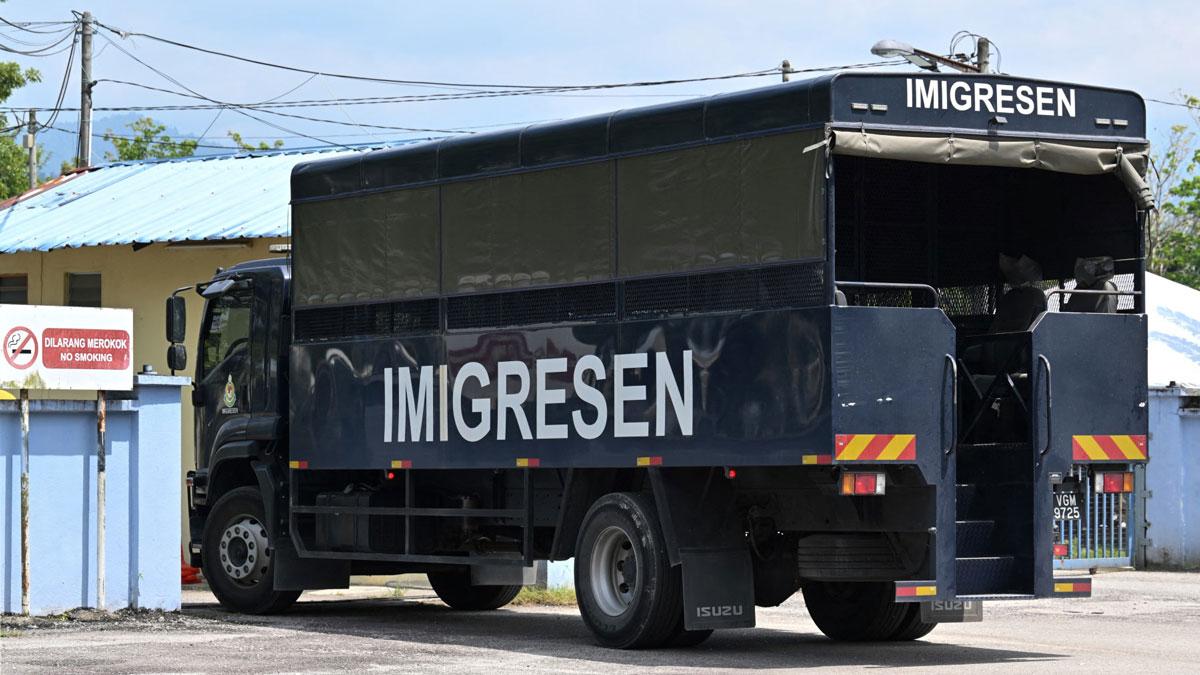
Malaysia began sending nearly 1,500 Rohingya refugees back to Myanmar, describing the return as voluntary despite warnings from the United Nations and rights groups that Myanmar remains unsafe for them. Dozens of buses arrived under police escort at a stadium near the Lumut naval base in northwestern Malaysia, and the passengers were expected to be processed before being taken to the base and transported to Myanmar by ship.
Malaysia’s Ministry of Home Affairs said two Myanmar naval warships and a hospital ship would be used, while the UN High Commissioner for Refugees said it had no role in the operation. Reuters witnesses said dozens of buses accompanied by security vehicles arrived at a stadium near the Lumut naval base in Malaysia’s Perak state on Tuesday morning before moving to the port where two Myanmar naval vessels and a hospital ship were docked.

Voluntary, but contested
The UNHCR told Reuters that “Any refugee return must be voluntary, based on an informed decision, and take place in conditions of safety and dignity,” while Malaysia’s Home Ministry declined to comment on the warning. Nay San Lwin, cochair of the Arakan Rohingya National Council, said “It is sending people back to a killing field,” and he called on Malaysia to halt all returns until it is safe.
James Bawi, a Chin community leader in Kuala Lumpur, said “What we can do is very limited,” and he added that the final decision and authority are beyond the capacity of the refugee community. James Bawi Thang Bik, who represents refugees from Myanmar’s Chin community in Malaysia, said “We fear that they may be forced to fight on the frontlines of the conflict,” describing forced conscription as a risk for those being deported.
Numbers, ships, and stakes
Malaysia’s repatriation programme is described as a first phase of a broader plan that could see as many as 5,000 people returned, with Malaysia’s Home Ministry saying the first group was 1,476 returnees. Reuters said those being returned included 1,370 men, 79 women, 20 boys and 7 girls, aged between 8 and 60, while Bernama reported the figures citing a Malaysian home ministry official.
Malaysia’s Home Ministry defended the approach as an effort to reduce the number of asylum-seekers in Malaysia, and it said its process would be “in an orderly, responsible and humane manner without compromising national security and sovereignty.” Rights groups including Amnesty International Malaysia and Asylum Access Malaysia said the repatriation violates the principle of non-refoulement, and they warned that “It cannot be a system designed to fast-track unlawful deportations.”