Canada17 October, 20263 min read
Mark Carney Warns Alberta Separatists Against Independence Vote As Donald Trump Backs Them
This article is an automated aggregation of coverage from news outlets. Our editorials offer in-depth analysis curated by the NewsCord team.
Alberta separatists push to begin legal path to independence. Trump backs Alberta separatists ahead of Monday referendum.
Shared framing
PBS, The Wall Street Journal and Die Welt frame Alberta’s proposed path to separation through Canadian unity or division; PBS attributes its warning to Mark Carney. Other headlines focus on the movement’s rise or resolve, and the collection includes repeated Associated Press coverage.
3 of 6 outlets · 3 of 7 headlines analysed
- PBS
Prime Minister Mark Carney says U.S. is trying to break Canada
- WSJ
Opens Up a Bitter Divide in Canada
- DIE WELT
Canada’s unity is up for a vote
See the headlines
Canadian unity and division foregrounded
Three of the six outlets foreground Canadian unity or division: the WSJ describes a bitter divide, Die Welt’s translated headline puts national unity up for a vote, and PBS attributes a warning about external pressure to Mark Carney. These are related headline emphases with different speakers, not independent confirmation of a threat. The wider collection includes overlapping AP coverage of the movement’s history; repeated syndication is not independent editorial convergence.
- PBSReporting · OngoingPrime Minister Mark Carney says U.S. is trying to break Canada as Alberta votes on separation path
Attributed to Mark Carney.
- WSJReporting · OngoingAlberta’s Secession Vote Opens Up a Bitter Divide in Canada
- DIE WELTReporting · Before resultAlberta: Canada’s unity is up for a vote — Trump supports the separatists
Translated headline (de).
Alberta: Kanadas Einheit steht zur Abstimmung – Trump unterstützt die Separatisten
All 7 analysed headlines
- PBSReporting · OngoingPrime Minister Mark Carney says U.S. is trying to break Canada as Alberta votes on separation path
- WSJReporting · OngoingAlberta’s Secession Vote Opens Up a Bitter Divide in Canada
- ABC NewsReporting · Before resultAlberta separatists say they'll keep fighting after independence vote
- DIE WELTReporting · Before resultAlberta: Canada’s unity is up for a vote — Trump supports the separatists
Translated headline (de).
Alberta: Kanadas Einheit steht zur Abstimmung – Trump unterstützt die Separatisten
- Los Angeles TimesAnalysis · Before resultHow Alberta separatism went from fringe cause to referendum in Canada
- NBC NewsReporting · Before resultCanada’s Mark Carney makes final appeal against Alberta separation ahead of referendum
- PBSAnalysis · Before resultHow Alberta separatism went from fringe cause to referendum
Counts describe this collection. One headline may support more than one angle.
Analysed 18 Oct 2026.
Reviewed by Codex validator (AI) · 18 Oct 2026
Carney’s final warning
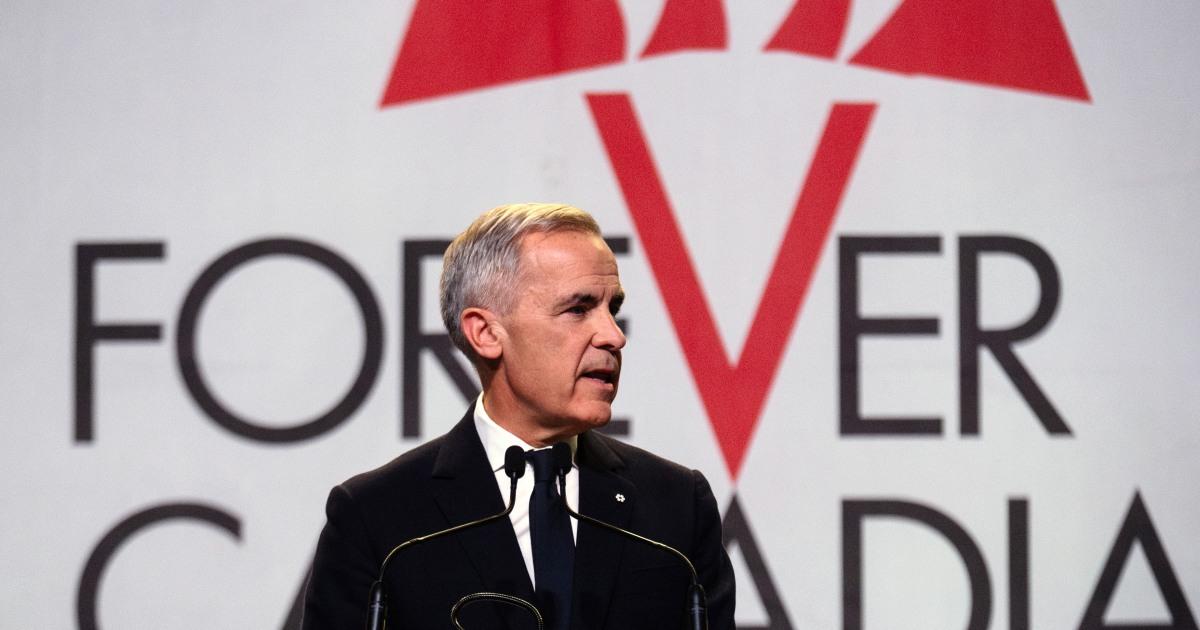
Prime Minister Mark Carney made a final appeal to voters considering a path toward independence in Alberta, warning that a referendum is a dangerous gamble as U.S. President Donald Trump waged a trade war and threatened to make Canada the 51st state.
Carney told a pro-Canada rally in Edmonton, “Don’t let anyone tell you this is already decided. Turnout will determine the outcome,” and he said, “This is not a game. This is not poker.”

Carney urged Albertans not to take the outcome for granted while Monday’s vote, he said, is not a direct referendum on independence and instead asks whether Alberta should remain a province or instruct the government to begin the legal process toward a future referendum on separation.
Danielle Smith, the Alberta premier who called the vote despite opposing independence herself, praised Carney in Red Deer, Alberta, saying, “I think what we can agree on is that we have had some real change in the last 18 months.”
Smith cited a poll showing 22% of Albertans support separation and said the figure was still too high, while Carney warned that “Some outside our borders are working to break us so they can own us. Never. Never.”
Unity and internal pressure
Carney joined Smith in a show of unity against independence, and Smith said Carney “can’t be all bad, right?” as she noted he grew up in Alberta and remains an Edmonton Oilers fan. Carney acknowledged Alberta’s longstanding resentment of federal energy policies, saying, “Growing up, I remember how Ottawa made Albertans feel like our resources weren’t our own,” while he emphasized his ties to the province and country. Smith faced pressure from separatists within her governing United Conservative Party, and former Premier Jason Kenney said the independence movement gained influence within the party as activists angry over COVID-19 restrictions embraced separatism.
Deb Lee, a retired Calgary resident who voted in advance to remain in Canada, said, “I think it’s a travesty really to be putting our province and our country through this when such a small portion of people are rabble rousing and saying they want to separate from Canada,” as she criticized the vote. Independence advocate Tanya Clemens dismissed the agreements between Carney and Smith as “basically pinky promises” that came with too many conditions, while Smith said Carney had substantially addressed seven of nine federal laws Alberta opposed.
What the vote means
Alberta voters on Monday were set to decide whether to begin the legal process toward a future independence referendum, not whether to leave Canada, and recent polling put support for that first step at about 23%. Danielle Smith said the backing for starting the separation process was “still too high for my liking,” while the vote was framed as a choice between remaining a province and initiating a path toward a legally binding further referendum on separation. Keith Wilson, co-chair of the pro-independence group Let Alberta Decide, vowed to continue the independence movement even if voters rejected the proposal Monday, declaring, “Regardless of what happens on Monday, we’ve already won.”
Wilson said the movement had convinced hundreds of thousands of Albertans that independence was legally possible and forced a broader debate over the province’s grievances against Ottawa, and he rejected Jason Kenney’s suggestion that separatists should abandon their cause if they failed to win a majority. The independence movement’s rise was linked in the reporting to the COVID-19 pandemic and the Freedom Convoy, with Jeff Rath saying, “COVID was really the straw that broke the camel’s back,” and Kenney describing how “They needed a new cause” that “naturally morphed into separatism.”