USA01 October, 20262 min read
Mark Schachtner Finds 1,000-Year-Old 17-Foot Dugout Canoe in Pewaukee Lake
This article is an automated aggregation of coverage from news outlets. Our editorials offer in-depth analysis curated by the NewsCord team.
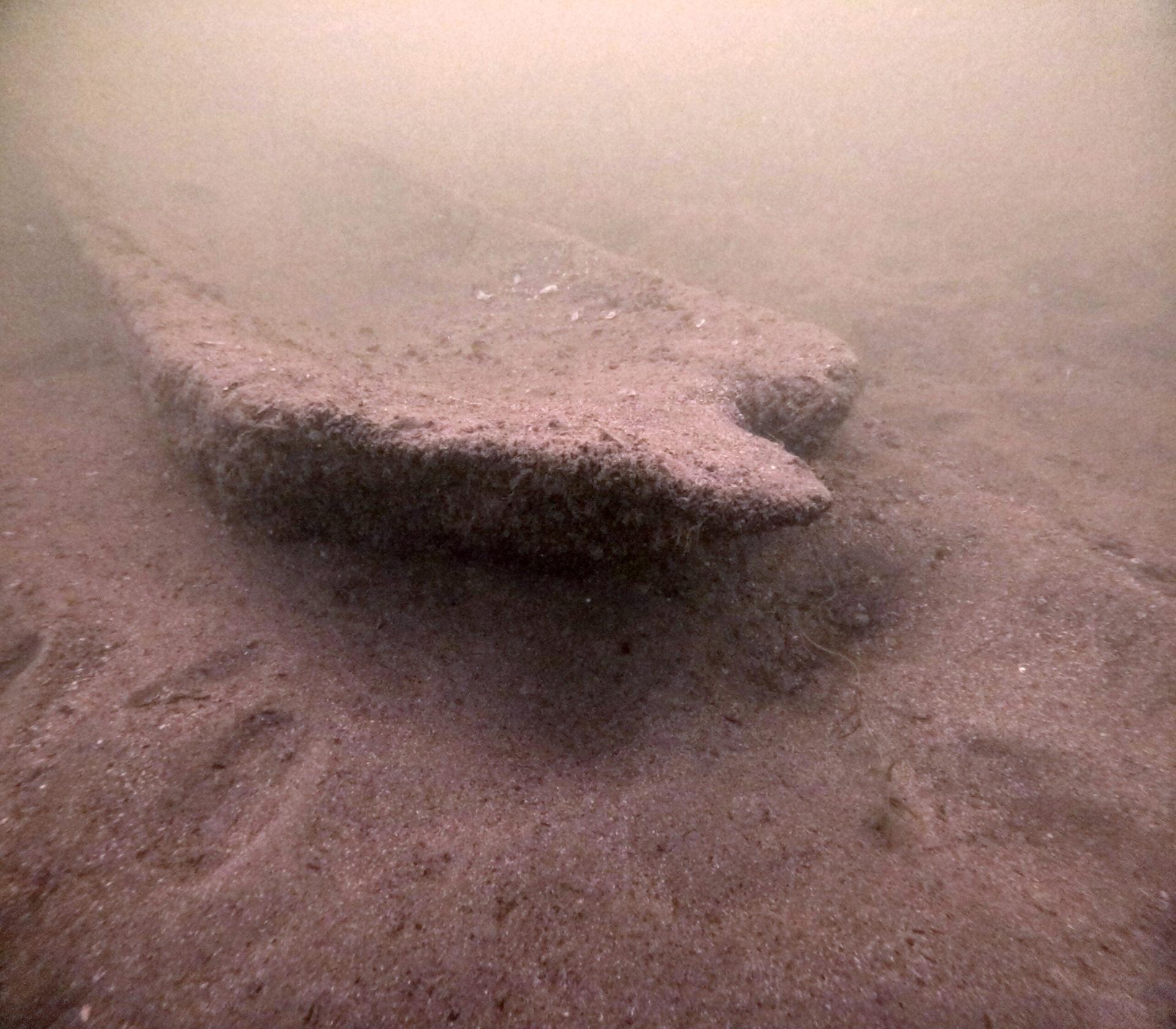
17-foot white oak dugout canoe, ~1,000 years old, found in Pewaukee Lake. Discovered by Mark Schachtner in May, resting ~15 feet deep near Pewaukee Lake's southern shore.
6 outlets told this the same way.
Outlets did split on White House Officials Question How Long Katie Zacharia Will Stay Press Secretary After First Briefing →
Canoe Found in Pewaukee
Mark Schachtner, a diver from Beaver Dam, spotted a partially buried 17-foot dugout canoe while exploring Pewaukee Lake in May, after he had been searching for old embossed glass bottles with the Four Seasons Dive Club.
“‘It’s a classic look for a canoe that had been cached, something that had been intentionally sunk,’ Thomsen said.”
Radiocarbon dating later established that the vessel is about 1,000 years old, and the Wisconsin Historical Society said the canoe dates to the Late Woodland period and is made of white oak.

Tamara Thomsen, a maritime archaeologist with the Wisconsin Historical Society, joined Schachtner within days to document the discovery, and she described it to WPR as a “beautiful find.”
Michael Wiemann at the U.S. Department of Agriculture’s Forest Products Laboratory in Madison identified the wood as white oak, and Beta Analytic in Miami produced results indicating a 70% probability the canoe was in use between A.D. 992 and 1049.
Evidence of Caching
Thomsen told WPR that the canoe’s position in sediment was characteristic of a canoe that had been deliberately cached, and she said Indigenous people commonly sank canoes into lakebeds and allowed them to fill with sediment. Thomsen said the canoe remained intact on the lake bottom and that char marks were visible on its underside, while scraping marks appeared consistent with shaping using stone tools or shells.
Jon Greendeer, president of the Ho-Chunk Nation, told WPR that the discovery falls within Ho-Chunk territory and that he was “extremely excited” about the find. Greendeer also said, “What we were told, a lot of these were crafted from carving vessels from fire,” and he described the work required to make each vessel.

Kept Underwater, Consulted
The Wisconsin Historical Society said the canoe will remain submerged rather than being removed from the lake, and the site is protected under Wisconsin law with divers prohibited from removing artifacts. Thomsen told WPR that state archaeologists and volunteers have examined 88 out of 130 known vessels on lake bottoms and within collections across Wisconsin.
“The Wisconsin Historical Society does not plan to recover it after Native Nations, including the Ho-Chunk Nation, expressed a desire for it to remain in place out of respect for their ancestors.”
Larry Plucinski, a tribal historic preservation officer for the Bad River Band of Lake Superior Chippewa, said dugout canoes were a primary form of transportation during the period and were generally used by the broader community rather than being individually owned. The Wisconsin Historical Society is consulting with Native Nations, including the Ho-Chunk Nation, and the canoe’s preservation plan is tied to respect for ancestors and the risk that ancient wood could disintegrate after exposure to air.