
USA · updated 1h ago · 2 min read
Donald Trump Posts Tom Cotton’s Phone Number, Urges Arkansas Voters To Back Permanent Daylight Saving
Trump posted Tom Cotton's personal cell number on Truth Social to pressure him. He urged Arkansas residents to call Cotton to back permanent daylight saving time.
11 outlets told this the same way.
11outlets compared
Trump targets Cotton
Donald Trump pressured Arkansas Republican Senator Tom Cotton to support the Sunshine Protection Act, a proposal to keep daylight saving time permanently in the United States. Trump posted a number he presented as Cotton’s cellphone on Truth Social and urged “the entire people of Arkansas” to call the senator directly, calling Cotton a “friend.”
Trump argued that only Cotton’s vote was needed for the bill to advance in the Senate and said “having sunlight in the afternoon is better than in the morning.” Trump cited PGA tournaments and golf players as an example while urging passage of the measure also described as the Solar Light Protection Act.
House passes, Senate stalls
The Sunshine Protection Act sought to establish daylight saving time as permanent in the United States, stopping the time changes currently planned. The House of Representatives approved the project on July 14, 2026, by 308 votes in favor and 117 against, but the proposal continued its legislative process in the Senate.
Trump’s post framed the Senate as the remaining hurdle, with the president arguing that it was “very easy to do” and that it “only takes one” vote. Senator Tom Cotton rejected the proposal, warning that permanent daylight saving time would delay sunrises during winter and that Arkansans do not want children going to school in the dark.
Call-in pressure and next change
Trump urged Arkansas residents to call Cotton at the number he published, and the Associated Press called the number but no one answered and the voicemail was full. Cotton reiterated his opposition in a post, writing that “No one likes changing the clock, me neither” while arguing that Congress had enacted permanent daylight saving time several times before and repealed it.
“The Associated Press called the number, but no one answered and the voicemail was full.”
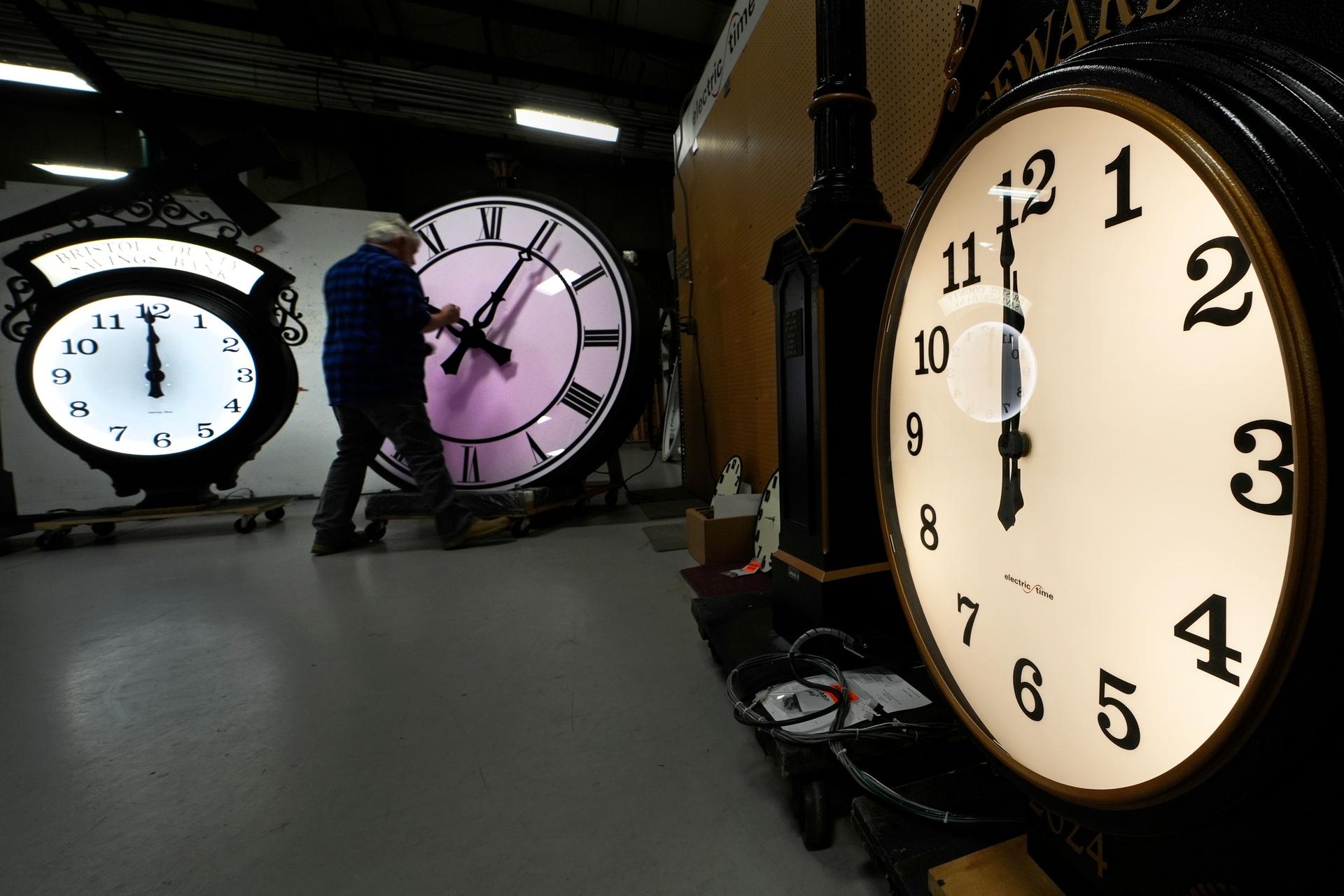
The dispute centered on which year-round schedule to keep, with proponents prioritizing afternoon light and opponents emphasizing natural light earlier in winter. The next adjustment remained scheduled for Sunday, November 1, when clocks would be set back one hour at 2:00 a.m. local time in parts of the United States that observe daylight saving time.