Africa06 May, 20262 min read
Mauritania’s Education Minister Orders Greater Oversight, Limits Private Primary Schools In Nouakchott
This article is an automated aggregation of coverage from news outlets. Our editorials offer in-depth analysis curated by the NewsCord team.
Mauritania plans tighter oversight of private primary schools in Nouakchott. Private schools must follow the same rules as public ones.
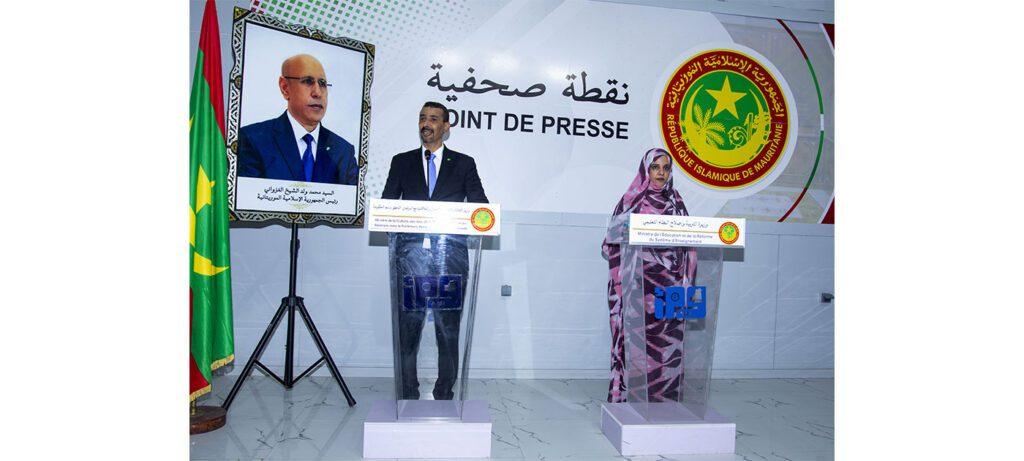
Mauritania’s school shake-up
Mauritania’s education authorities are moving to revise the regulatory framework for private education, with the stated aim of ending what the minister described as “the anarchy that has proliferated for a long time in private education.” In Nouakchott, the Minister of National Education and Reform of the Education System, Mrs. Houda Mint Baba, said the new text will align private primary schooling with the National Education Orientation Law and introduce “greater state oversight of services.” The minister said Mauritania currently has 998 private schools, and that obtaining a receipt after filing for a license will no longer be sufficient to begin operating. She also said primary education will be “the exclusive preserve of public schools,” while requests to open a new school should concern only secondary education.
Backlash and union pressure
Private educators have pushed back against the plan to shut most private primary schools and move students into free public schools, with Al Jazeera reporting that the move is “sparking backlash from private educators.” The same Al Jazeera report frames the authorities’ position as that the policy will “reduce inequality and improve education rankings,” even as opposition grows. In parallel, Education International’s account of Mauritania describes how unions tried to stay connected to teachers during school closures tied to the COVID-19 pandemic, including the closure of schools on March 16, 2020. Education International also says the closure was accompanied by “the suspension of salaries for teachers in the private sector,” leaving educators in “near-total destitution.”
Rules, pay, and next steps
The Mauritanian government’s education reform package also sets specific conditions for private schools, including that prospective operators must meet regulatory requirements and submit to state inspection to be eligible to operate. The minister said private schools must provide instruction based on the national program, use the official textbook, comply with the school uniform, and provide space for physical education and sports. She added that the new text requires prior authorization for any teacher wishing to teach in private schools, and clarified that it is forbidden for directors of public schools to open private schools. Meanwhile, Education International reports that unions identified teachers’ concerns during school visits as including “postings, advancement, salaries and allowances,” and Education International says it will continue financial support for its Mauritanian affiliates for the next step of its action plan.